


In Treatment 3

Directed by Director's notes
  • Saverio Costanzo
Directed by
  • Saverio Costanzo
Year
  • 2017
Length
  • 35x25”
Year
  • 2017
Length
  • 35x25”

Synopsis

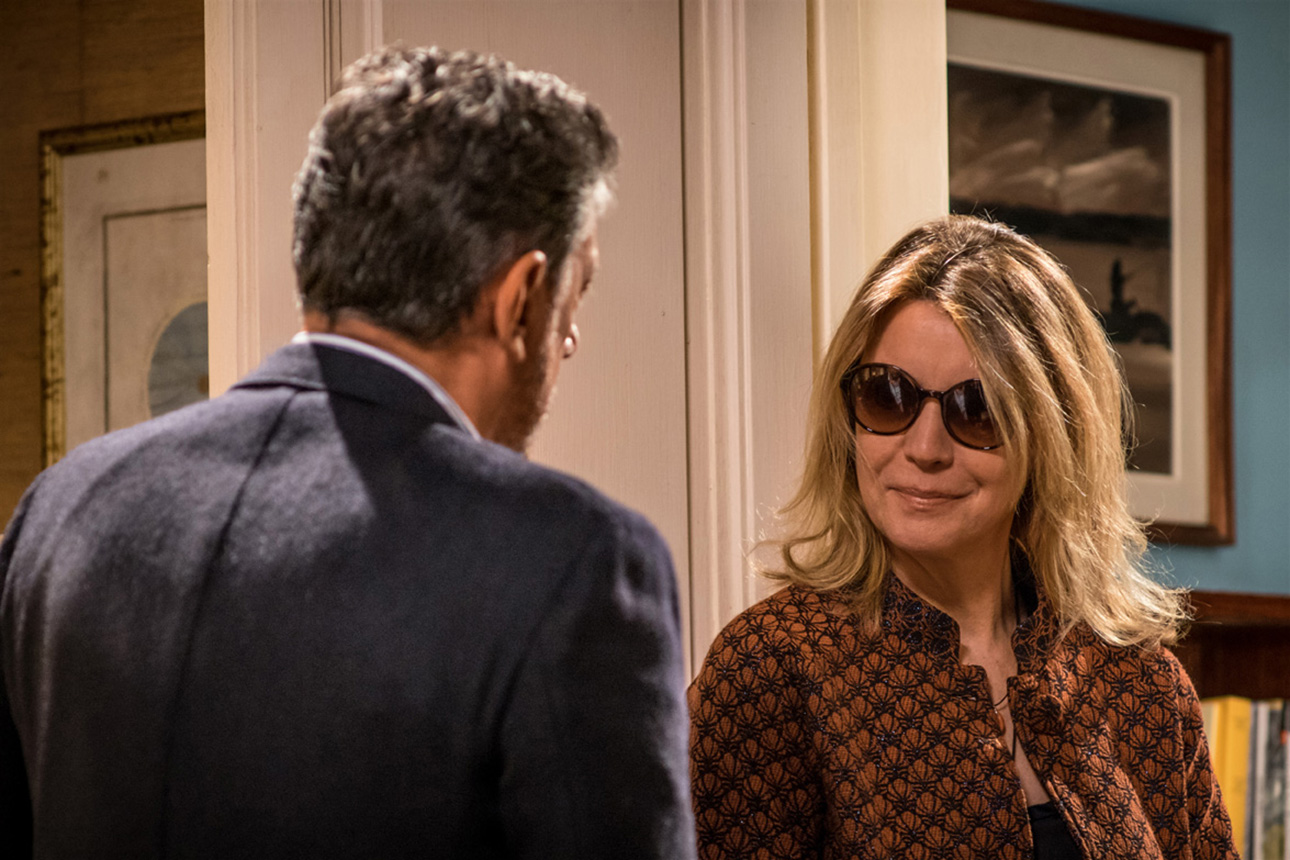
Giovanni Mari has resumed his activity as practicing psychoanalyst after a pause for thought spent travelling on a boat. Now he can no longer postpone a serious and thorough reflection on his therapeutic mission. Does he still have the wish and the ability to take care of his patients? Is he still able to help them?
All these questions intertwine with the complex relationship between his professional and personal lives. His divorce is now behind him, but whereas his former wife Eleonora – played by Valeria Golino – is happy with her new partner and is about to remarry, Giovanni can’t find a balance, both in his relationship with his new girlfriend Greta and, above all, with his children Francesca and Michele. Several unresolved issues from his past are still weighing upon him, above all the memory of his father and the deep fear of repeating his destiny and his mistakes. A fear that takes on a symbolic form in his conviction that, like his father, he too is suffering from Parkinson’s disease. The cases featured in the third season therefore question Mari on his identity, his vocation and, above all, the authenticity of his choices. Rita is the sister of a patient Mari had in treatment many years earlier and she forces him to confront himself with the effects of his work. For the first time Faith enters his consulting room: Riccardo is a priest who is unable to see the reasons behind his crisis and forces Giovanni into an intimate intense confrontation on the relationship between religious truth and therapeutic truth.
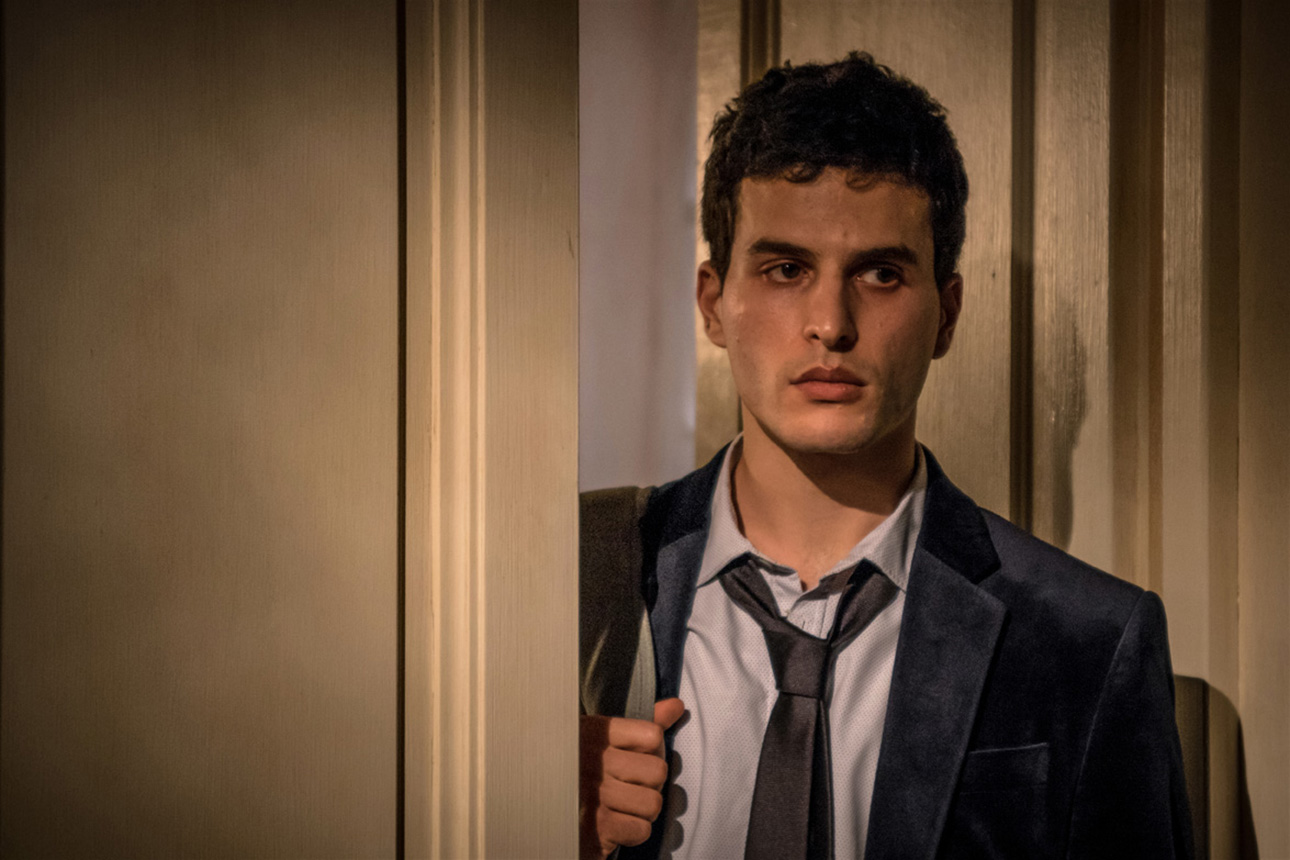
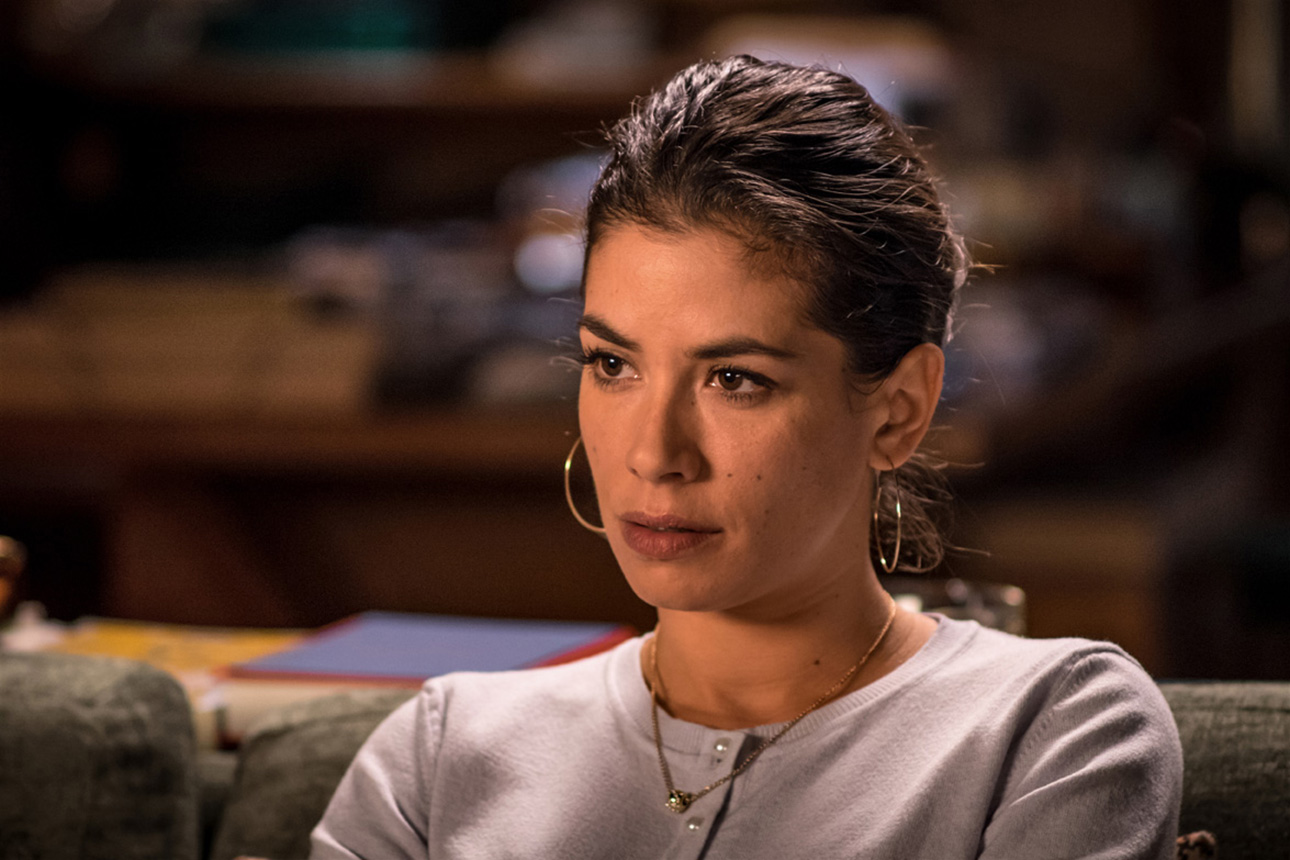
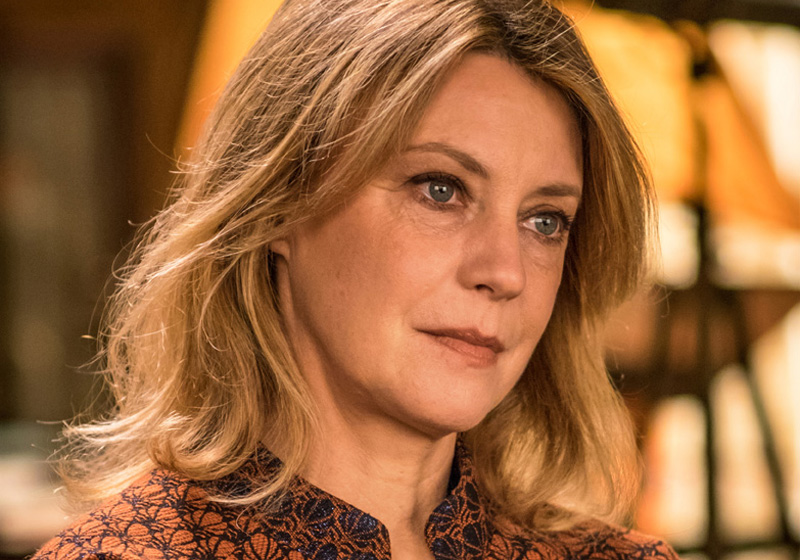
Luca is a very problematic homosexual teenager: brought up by adoptive parents, he forces Giovanni to redefine the borders between being a parent and being a therapist. Finally Bianca, a young woman with a social and cultural background very distant from Mari and most of his patients: her panic attacks and the world she comes from force the psychoanalyst to find communication and intervention keys quite distant from the practices of traditional therapy. In order to think about himself, his life and practice, after the dramatic conclusion of his professional relationship with Anna De Santis – his lifelong mentor and supervisor played by Licia Maglietta –, Giovanni begins a new therapeutic dialogue with the young analyst Adele Rasch. His confrontation with Adele, however, leads him to questioning all the assessment protocols he has based himself on until now, to distinguishing between personal relations, therapeutic function and supervision and finally to accepting the need to occupy the position of a normal patient, lowering his defenses in order to go beyond the resistances and difficulties on the path toward a new awareness. Will Giovanni, thanks to this very path, manage to find himself once more? Or will he discover the reasons behind a radical and permanent change to his life?


Director's notes
  • Images that are the result of artifice and fiction but are presented to the viewer as scenes happening, exactly at that moment, in front of them. For me, cinema is also this, and returning behind the camera for "In Treatment" means reclaiming the pleasure of making that kind of cinema with the narrative freedom that only certain TV allows. To do this, you need perfectly written screenplays, actors capable of sustaining forty-minute takes (even emotionally), and a direction that is not simple but founded on simplicity, one that renounces any frills and adheres to precise grammar, accompanying the dialogues without virtuosity.

    Thus, apparent nuances, like the time the patient meets Dr. Mari, turn out to be fundamental for the staging and for the story. Light becomes an integral part of the narration, and the lives of the protagonists, which unfold outside the psychoanalyst's office, enter that room, "showing" who they are and what they do when they are not with Mari.

    A small and paradoxical miracle is thus accomplished: a series set in a single environment tells the story of a city, shows the lives of the protagonists without actually showing them. And this happens because the characters – with all their ailments, or perhaps precisely because of them – are healthy carriers of life, and like life, they are wonderfully unpredictable.