Upside down family
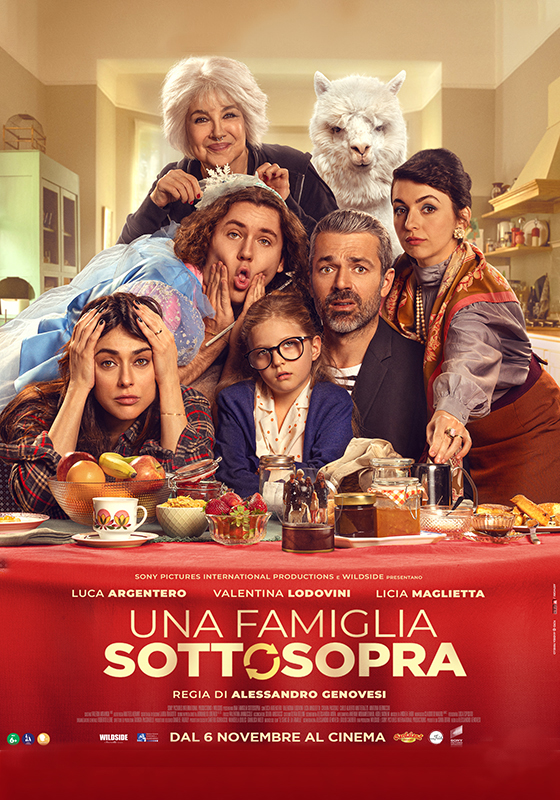
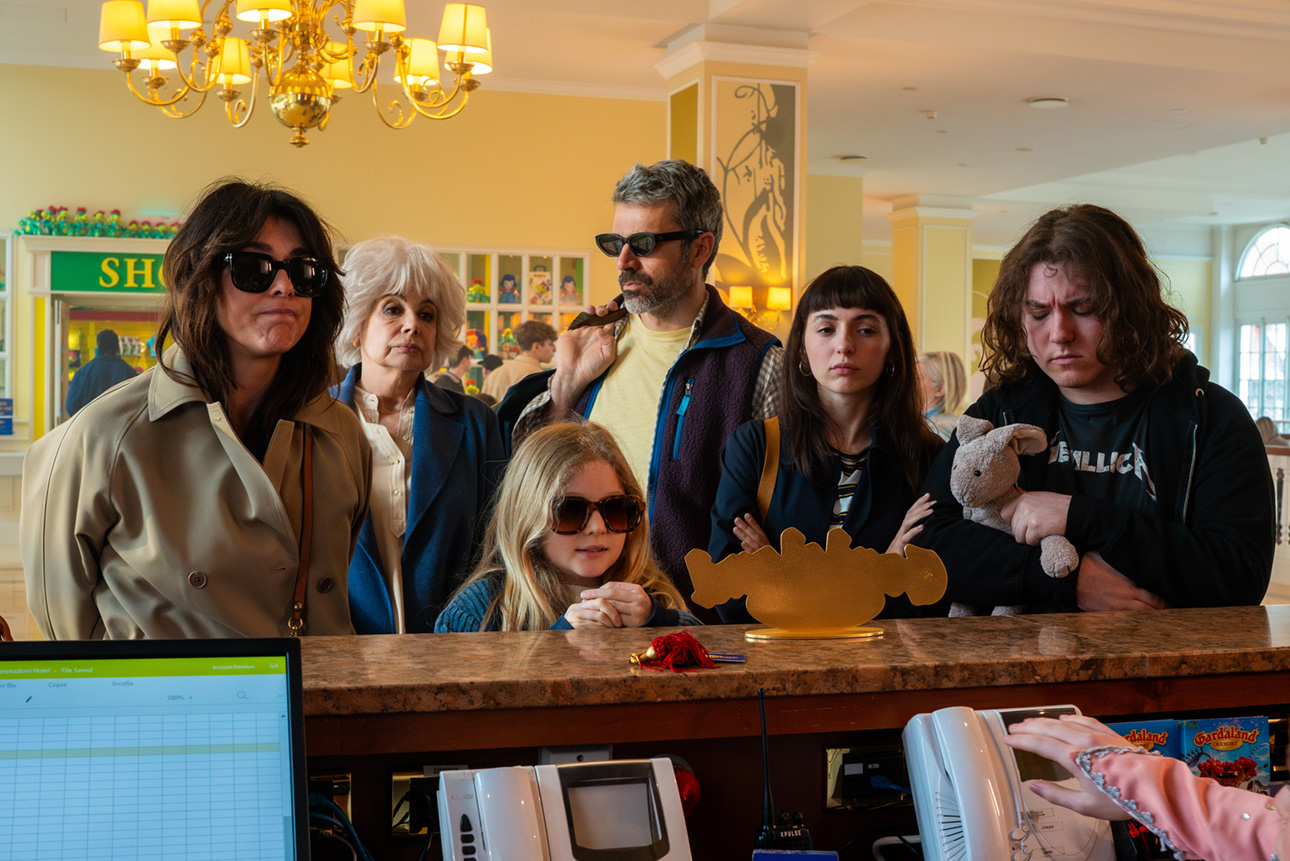
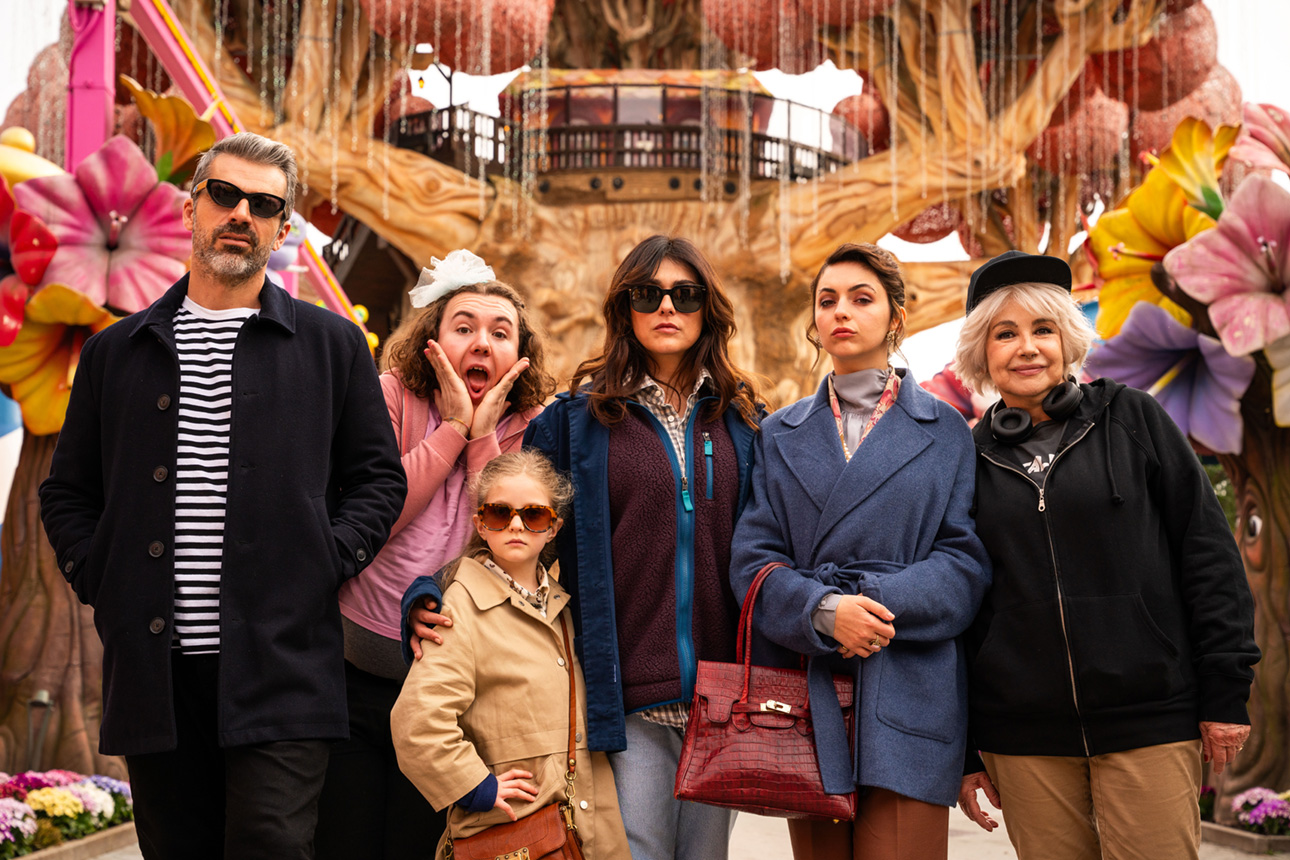
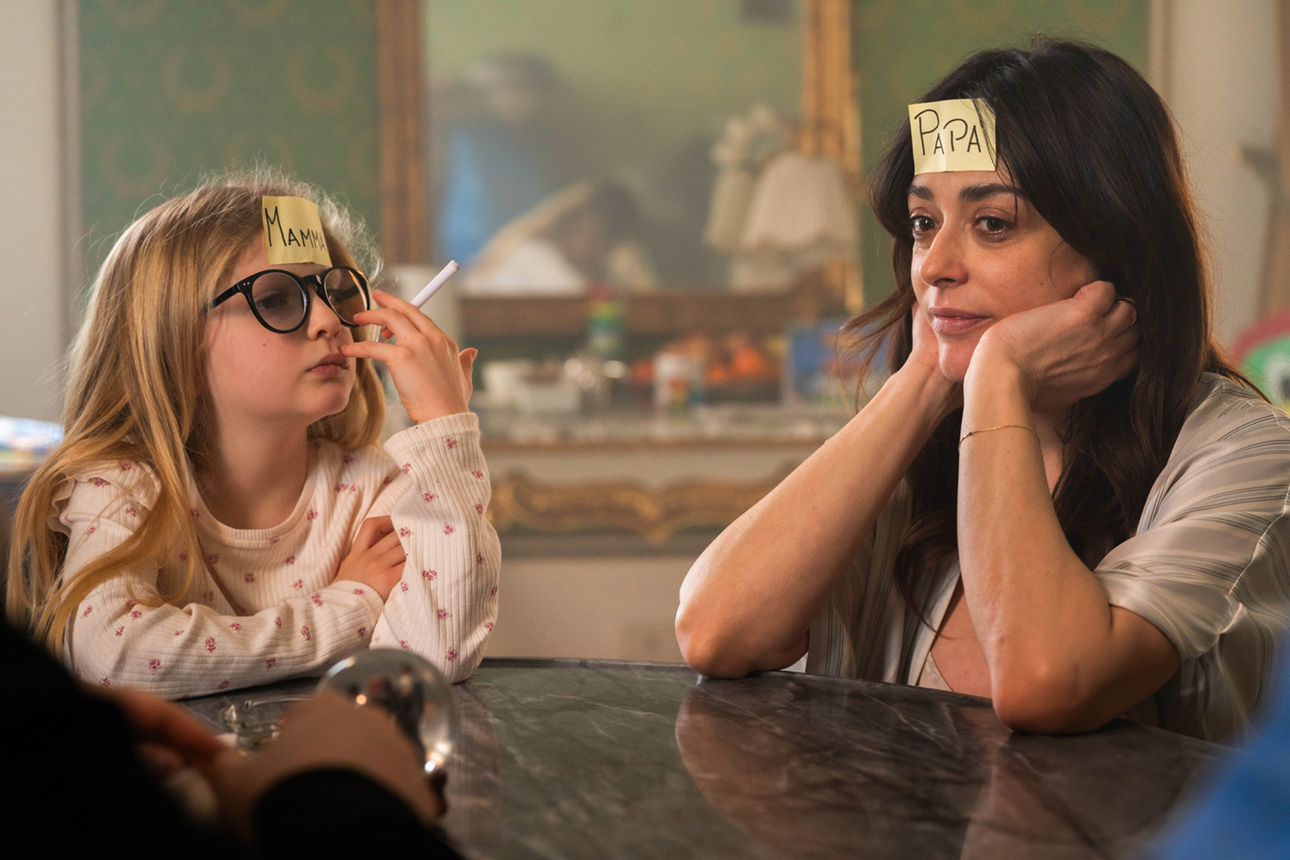
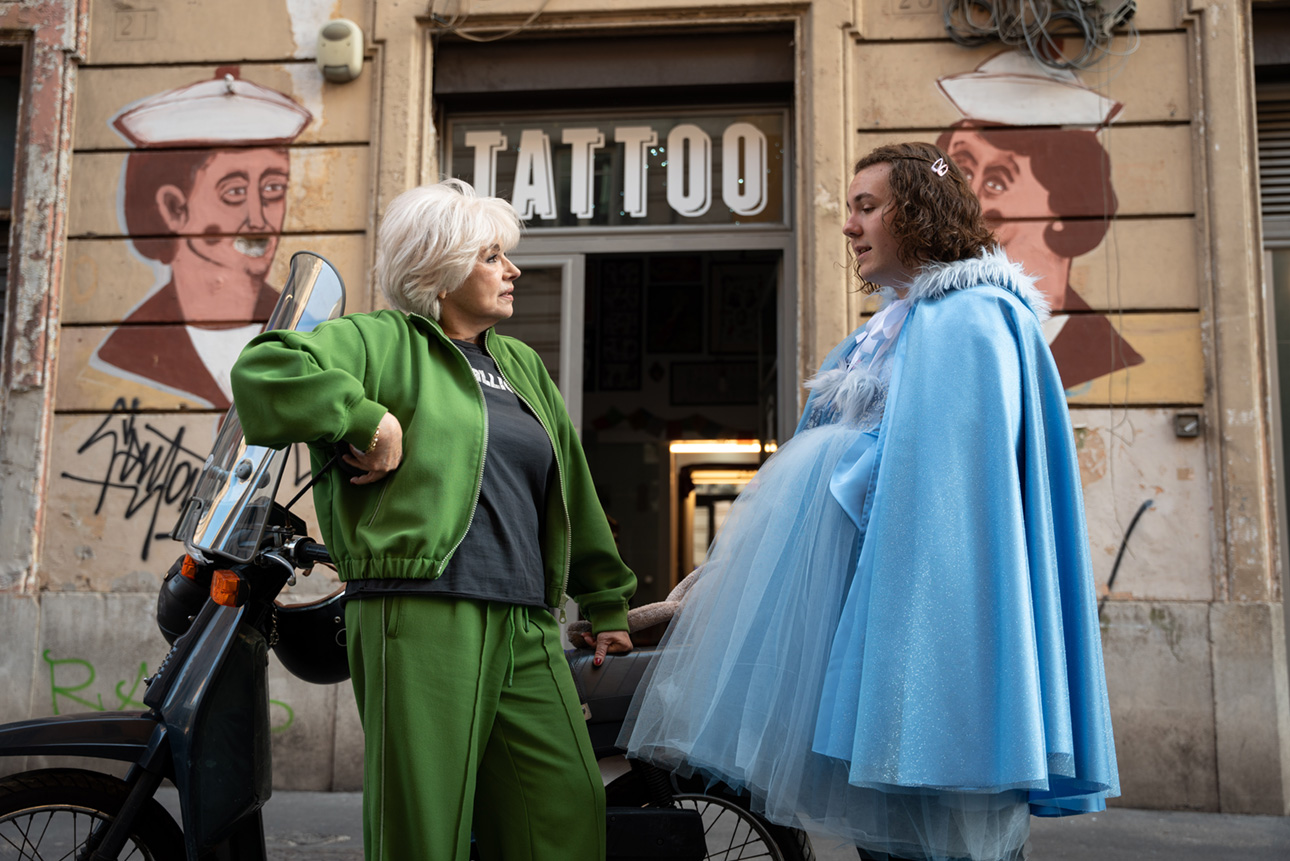
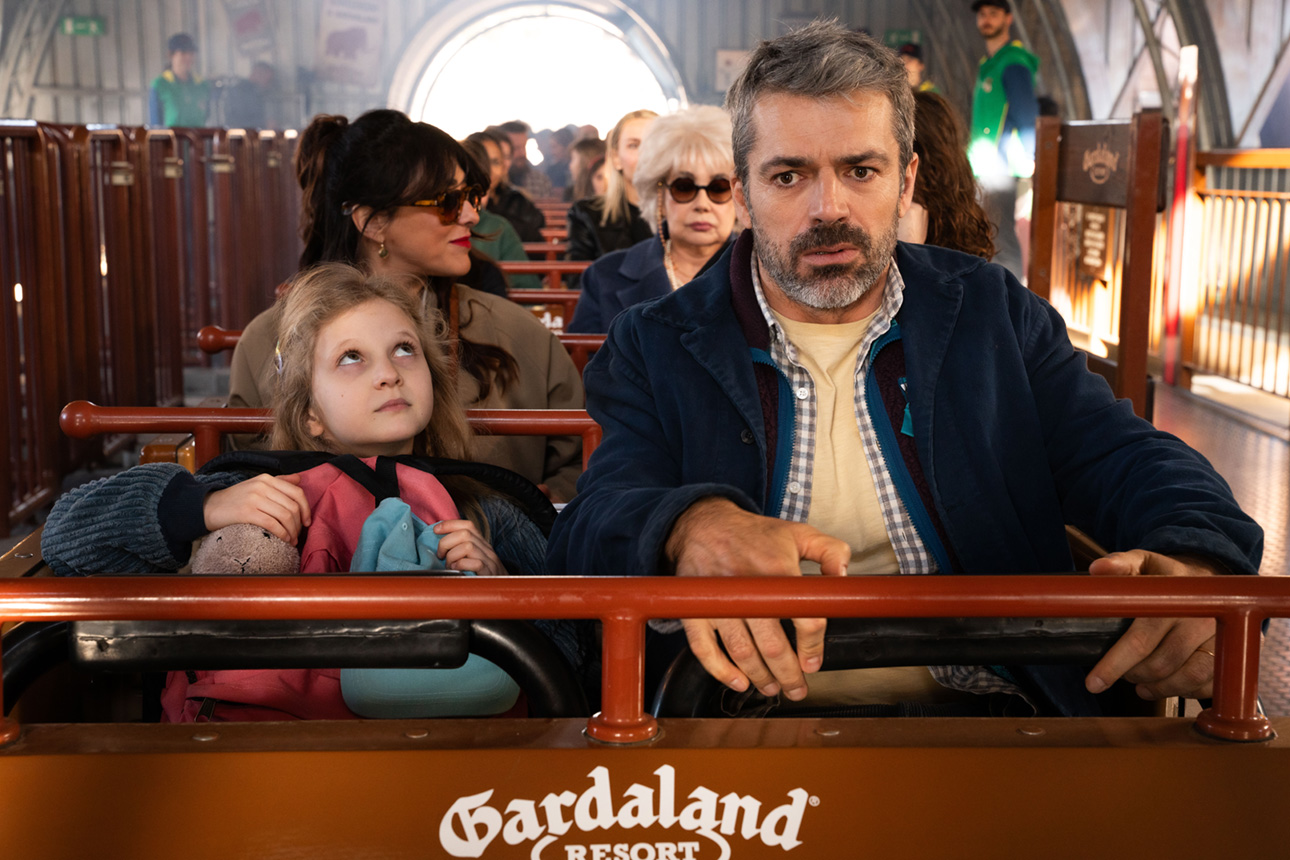
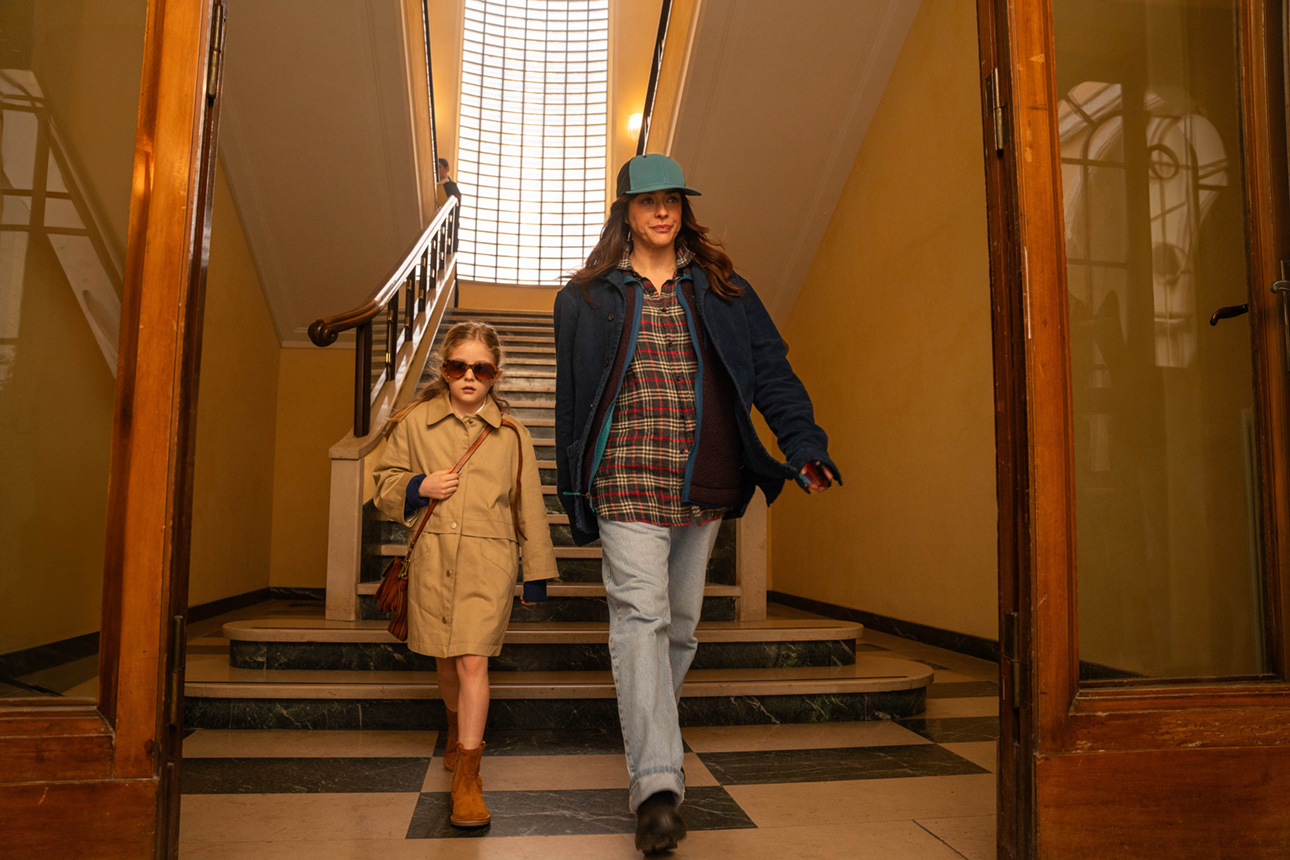
In "Una famiglia sottosopra" (An Upside-Down Family), I tried to portray the chaos and fragility hidden behind every family balance. Not a perfect story, but a story made of falls, exchanges, misunderstandings, where everyone is forced to play a role that doesn't belong to them. On set, I tried to keep lightness and truth together. The ensemble scenes, where misunderstandings explode, were constructed like small choreographies: tight timings, precise entrances and exits, dialogues that chase each other. I wanted the audience to perceive the vertigo of the game, the feeling that in that house everything could change in an instant. Alongside this, I chose more intimate moments, where the camera lingered, staying close to faces. In those pauses, in the silences, I tried to show what remains when the comedic mechanism switches off: bewilderment, fear, but also the tenderness that binds the characters. I wanted the light to always remain warm and domestic, almost welcoming, as if the house were a character silently witnessing the disorder of its inhabitants. And with the actors, I worked on a dual register: on one hand, comedic precision, on the other, emotional sincerity. It was important for the audience to be able to laugh, but immediately afterwards to recognize themselves in the characters' fragilities. The film, in the end, is not just a comedy of errors. It is a family portrait where roles are blurred, overturned, lost — and it is precisely there that the truth of relationships is revealed. For me, directing it meant finding a balance between lightness and melancholy, between laughter and emotion. Because in families, just as in cinema, it doesn't always matter to maintain order: sometimes it's in the upside-down that we discover who we really are.