Patagonia
«All children, except one, grow up.»
This is the opening to Peter Pan by James Matthew Barrie, a story about a boy who
can fly on the wings of his happy thoughts and refuses to grow up. When Wendy meets
Peter and asks where he lives, he poetically replies: "Second star to the right and
straight on 'til morning." An answer meant to impress. Peter Pan is a typical literary
character: adventurous, seductive, and cocky with an overwhelming personality.
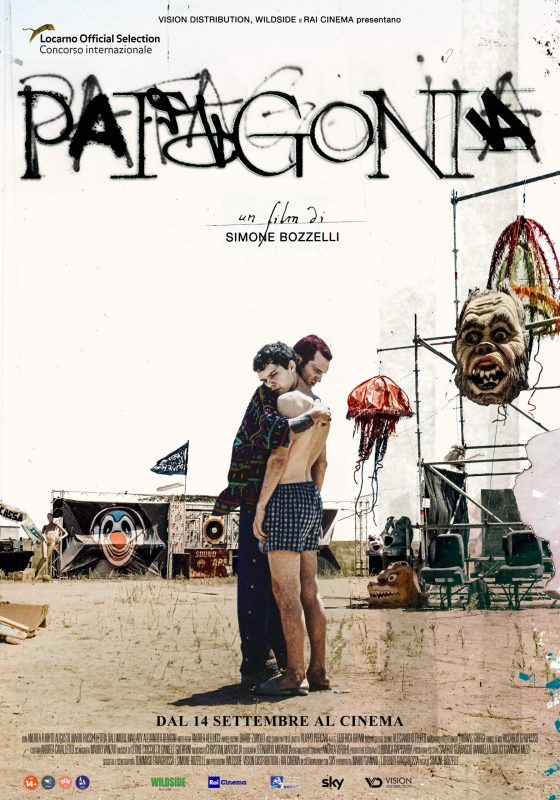
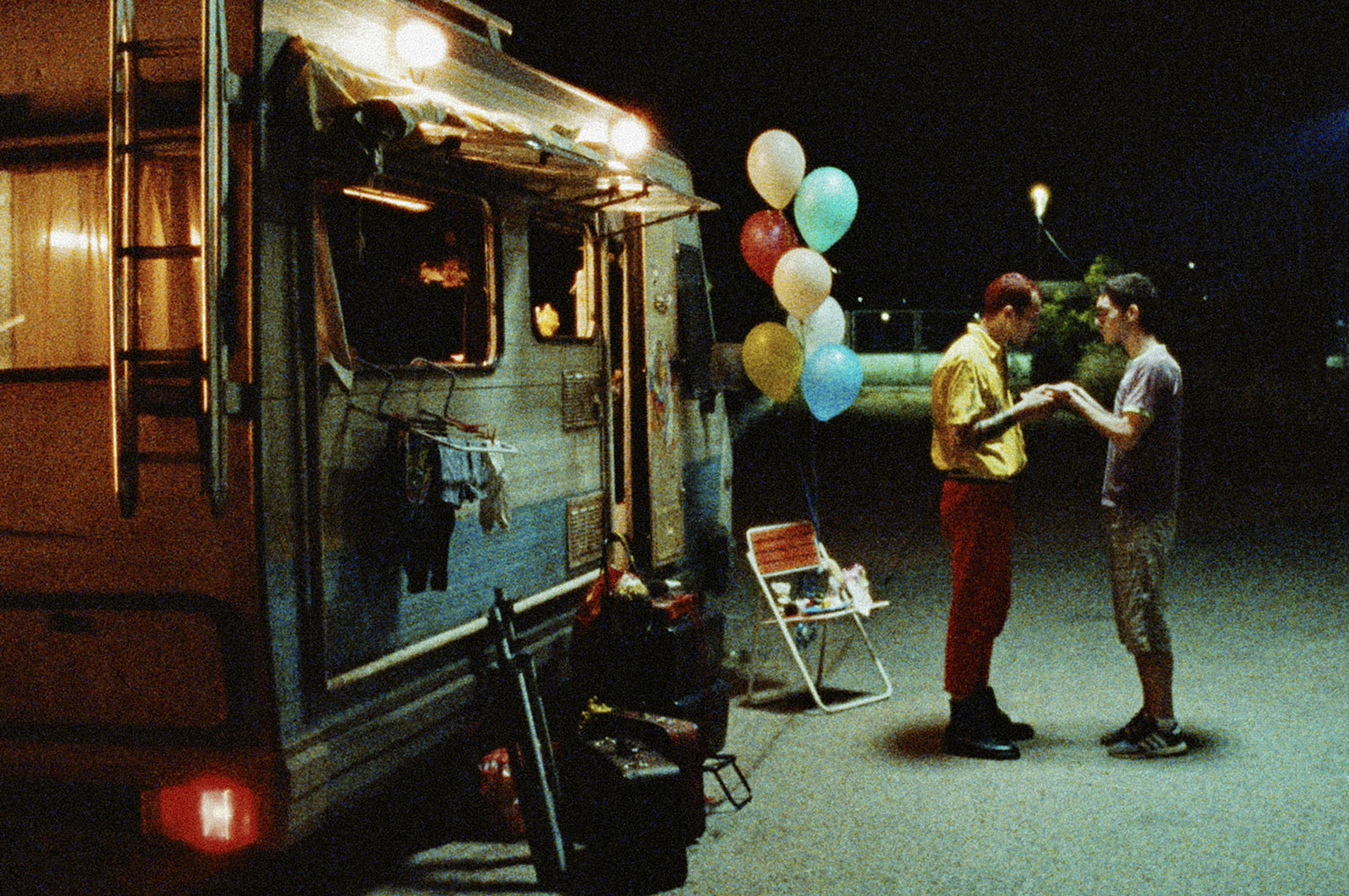
But this story is not just about Agostino and his Peter Pan Syndrome but also about Yuri,
a boy with a sparkless life, coddled by an overly affectionate aunt, who finds the drive
to leave behind the dull existence of a small town in the Italian coast. Yuri is pure as a
clear river where the narcissistic entertainer Agostino can see his own reflection. He
embraces the man's dreams and makes them his own, working hard to find the money
to make them happen, up to the point of accepting small but repetitive moral
harassment in a game of delight and discontent, carrot and stick.
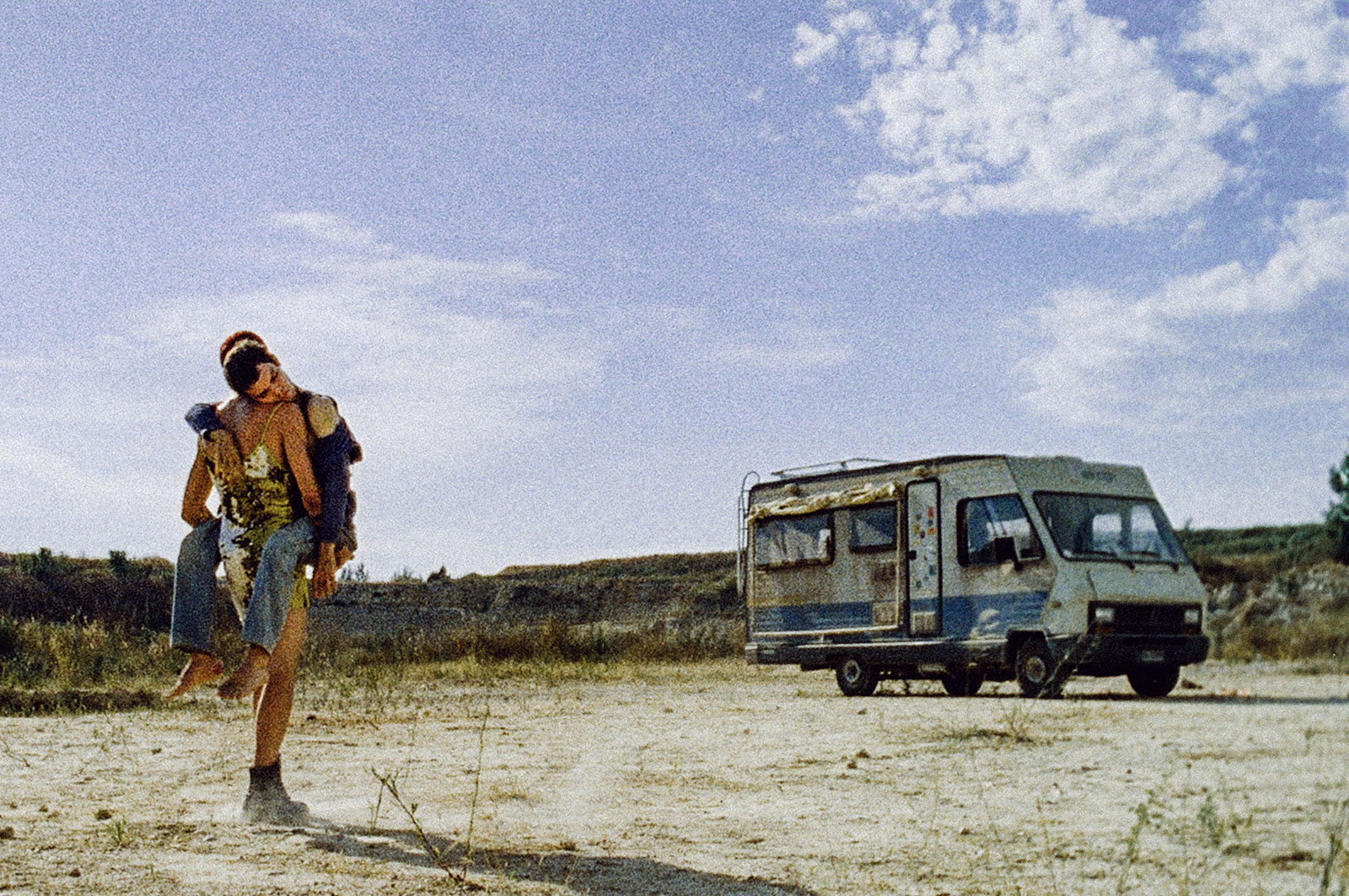
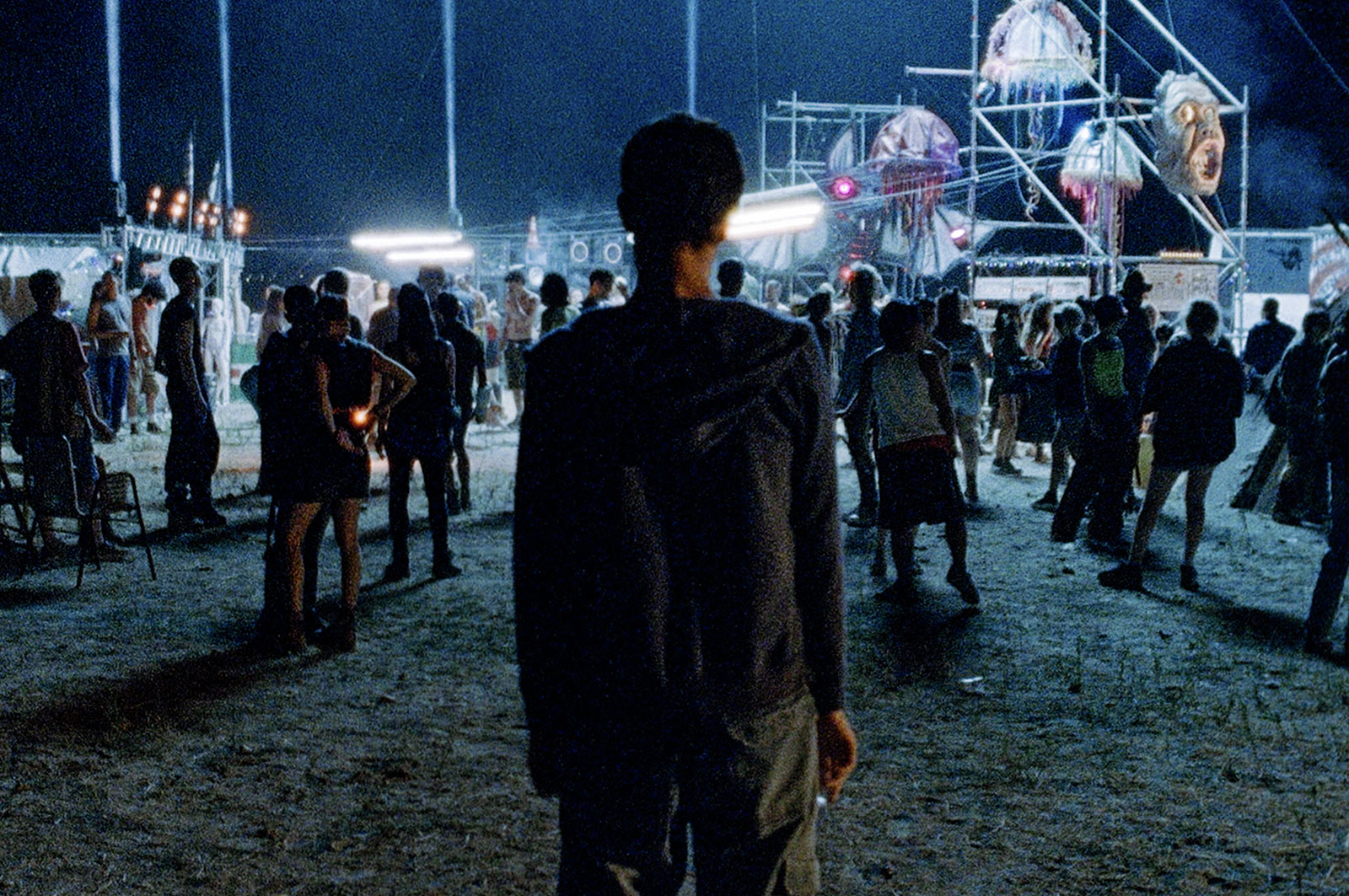
When they get to the rave site, Agostino finds his kind: dazed youths who are sexually
fluid and psychologically confused, who are not moved by ambition but by a sunken
dream that has dragged them into a state of routinely getting by, where each day is
just like the next. They chase freedom, or the illusion of it, at 160 bpm speed. Just like
Agostino and his promise of Patagonia, a dream that translates into a game of
strength and dependency, leaving Yuri no option but to learn to make choices, aware
that each implies loss. Also of freedom, too.
Simone Bozzelli