1994
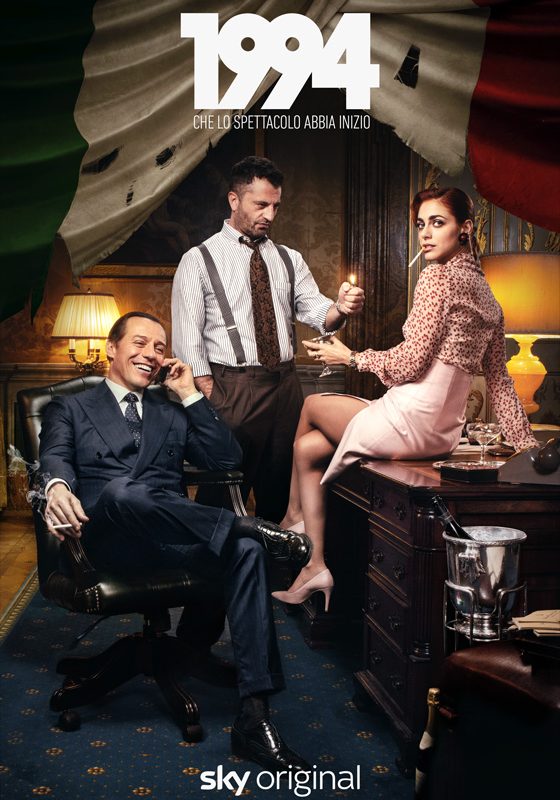

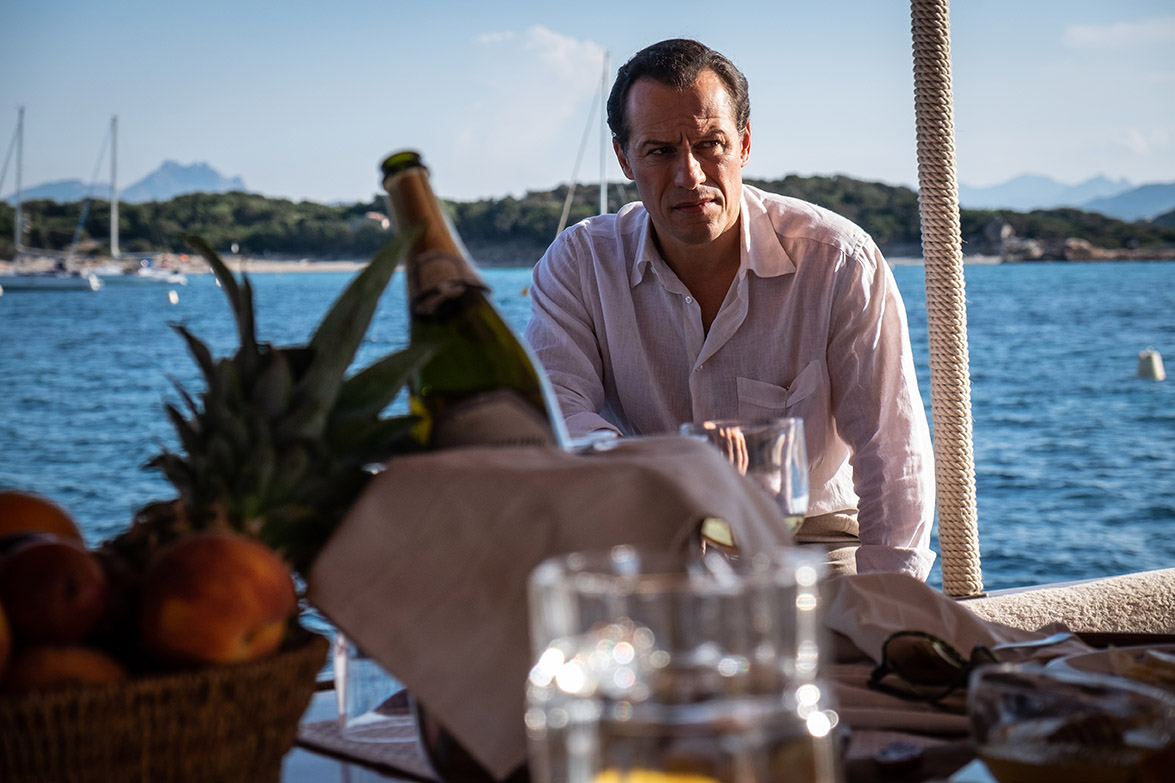
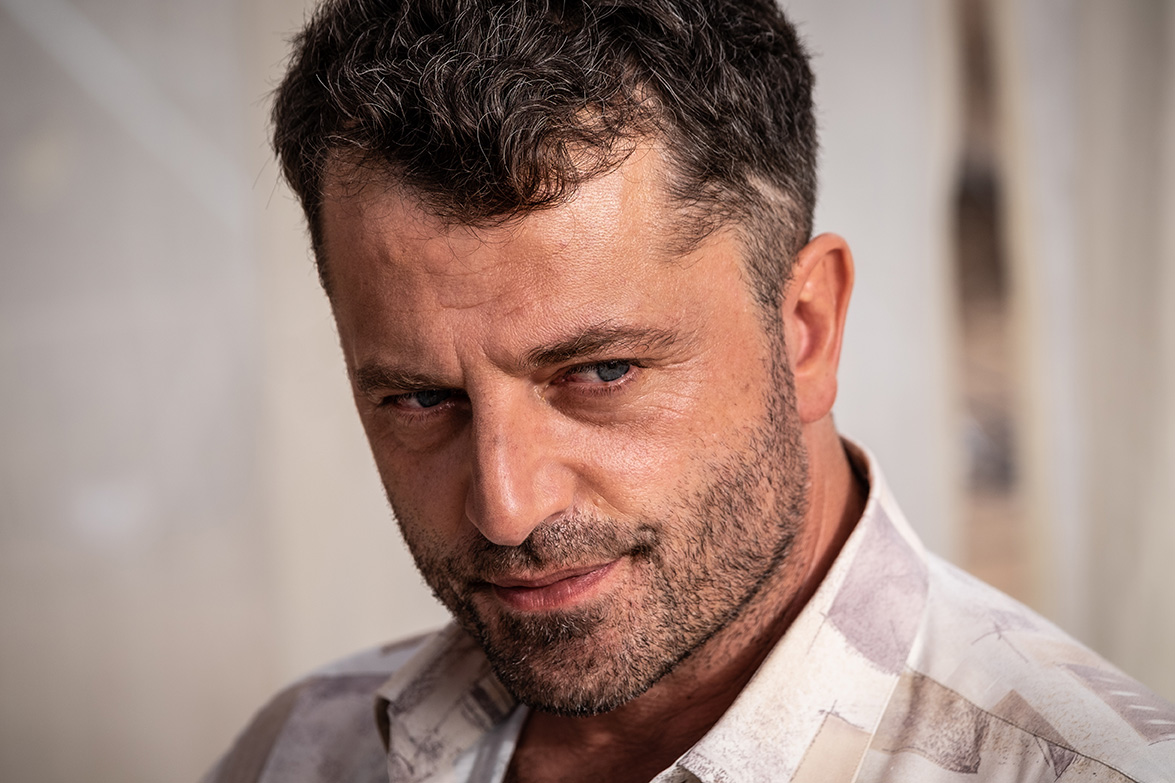
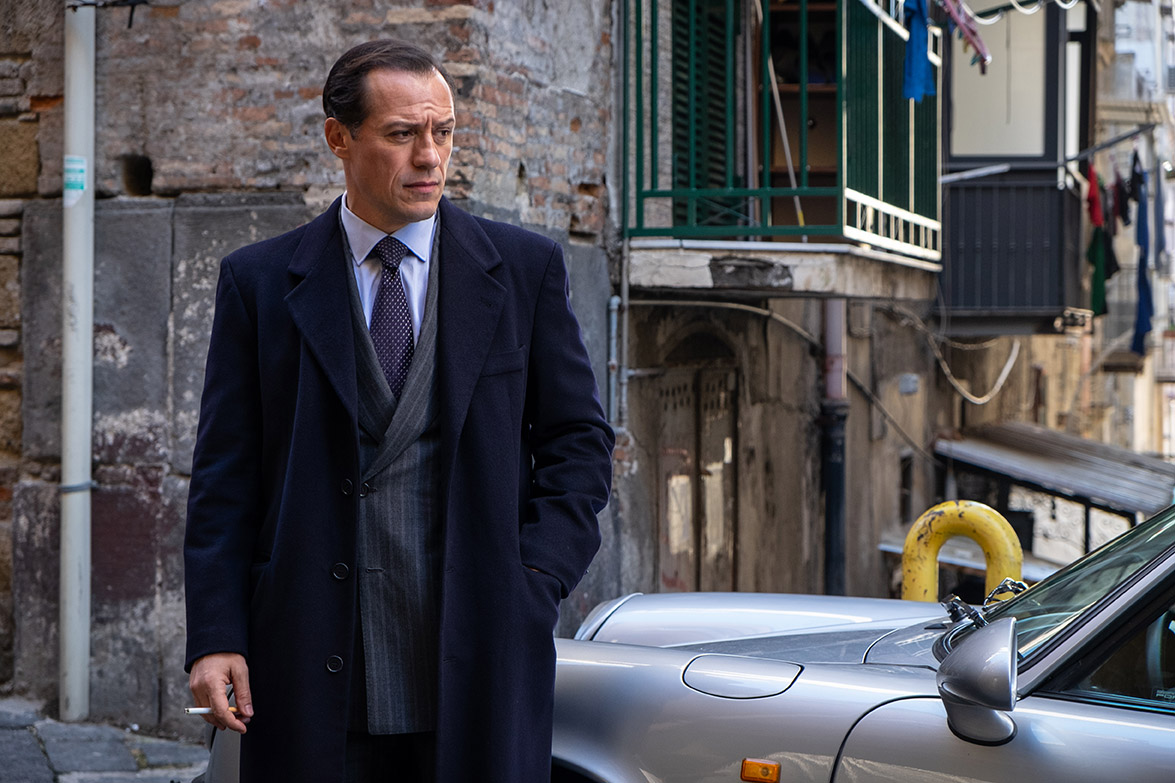
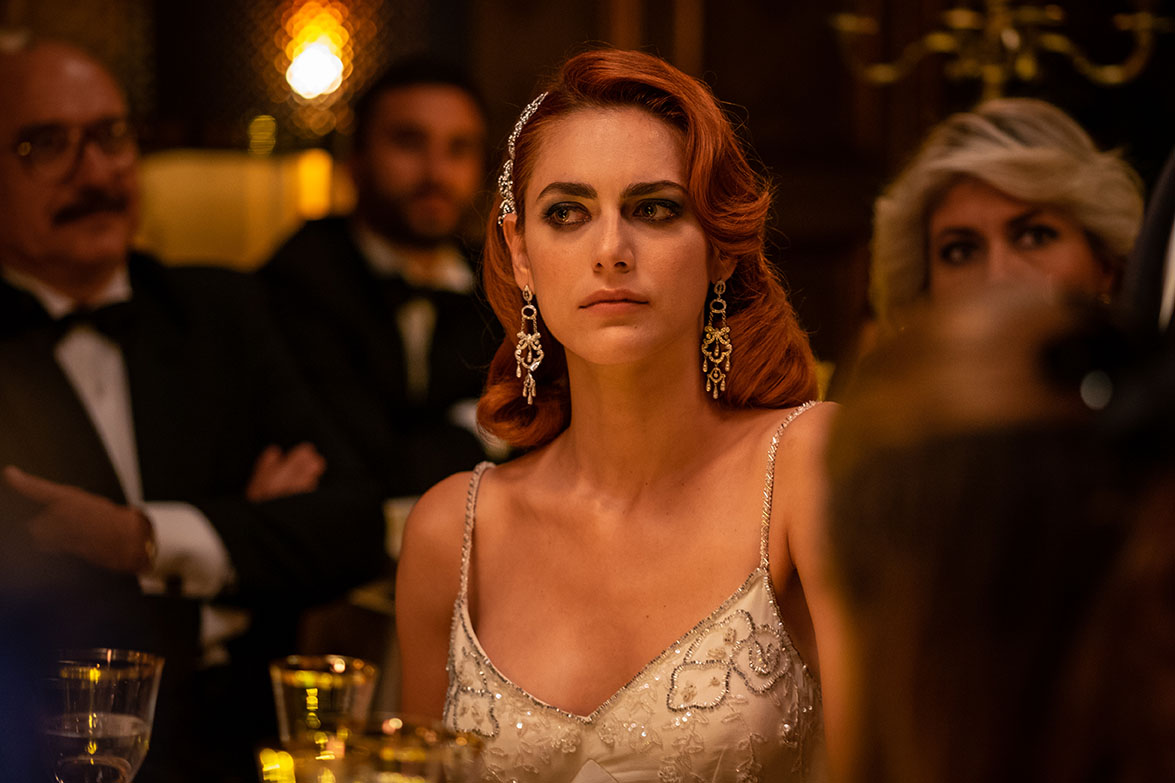
We are at the end of the election campaign, the biggest marketing operation ever seen. Months of great enthusiasm. The campaign served to sell the impression that things were set up for change. 1994 is the year in which they tried to sell the new. Certainly not the different. It was essentially the reproduction of a pre-existing model. After the year of Revolution and that of Terror, therefore, the trilogy comes to completion with the story of the year of Restoration. We left Leo Notte agonizing on the ground, we find him in the afterlife of a television studio. It is the time when television and politics become one. That dystopian world prefigured in the 70s by Flaiano is realized: "In 30 years, Italy will not be as governments have made it, but as TV will have made it." The world of our characters. The one where the stakes for survival are always the same: power. In the new season, the concept is renewed. The multistrand narrative that intertwined the different stories of the characters transforms, and each episode acquires a different style and form. I tried to give a precise mark to each of the four episodes I directed (1, 2, 3, 5), changing the staging, tone, color palette, and music each time. It moves from the claustrophobic environments of a political thriller in the first episode to the dazzling atmospheres of the Costa Smeralda in the fifth. Naturally, the characters' nature, the way we are used to seeing them act, and their consistency in the story remain unchanged.
Giuseppe Gagliardi
The year 1994 constitutes the watershed between two worlds. Two different ways of being citizens, voters, politicians. It is the beginning of the Second Republic. I was fortunate to be able to tell a piece of our country's history through the four episodes I directed (4-6-7-8). The opportunity to stage a sometimes dissonant picture, within which the characters move driven by the desire to win over each other. The opportunity to be so close to them as to hear the breathless sound of their personal "cold war." On the ground are all the elements of classical tragedy: the chorus, war, politics, the state, friendship, jealousy, betrayal, love, and hate. For example, the Milan Public Prosecutor's Office is the theater of a long battle. The final challenge between Di Pietro and Berlusconi passes through and intertwines in the minds and souls of all our characters. A picture where even a small and simple gesture like taking off the "battle uniform" (the toga) will prove to be a violent and strategic gesture that reverberates in History. The dramaturgy suggested the visual path to me, tracing the direction to follow, alternating lyricism with moments of simple glances and words. The opportunity to accompany the characters to the conclusion of their emotional and narrative journey, bringing them to an outcome, allowed me to broaden my thinking, allowing me to have a wider and clearer idea of staging, always seeking an empathetic line between the characters and the viewer.
Claudio Noce