There’s still tomorrow
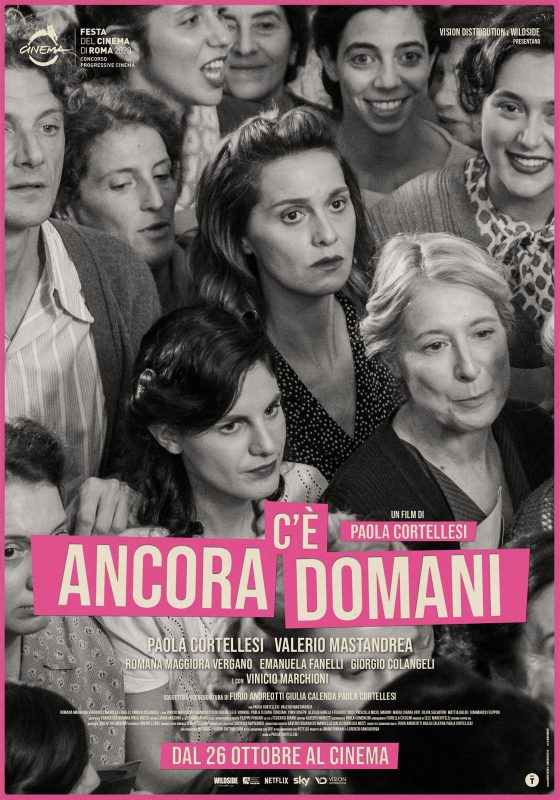
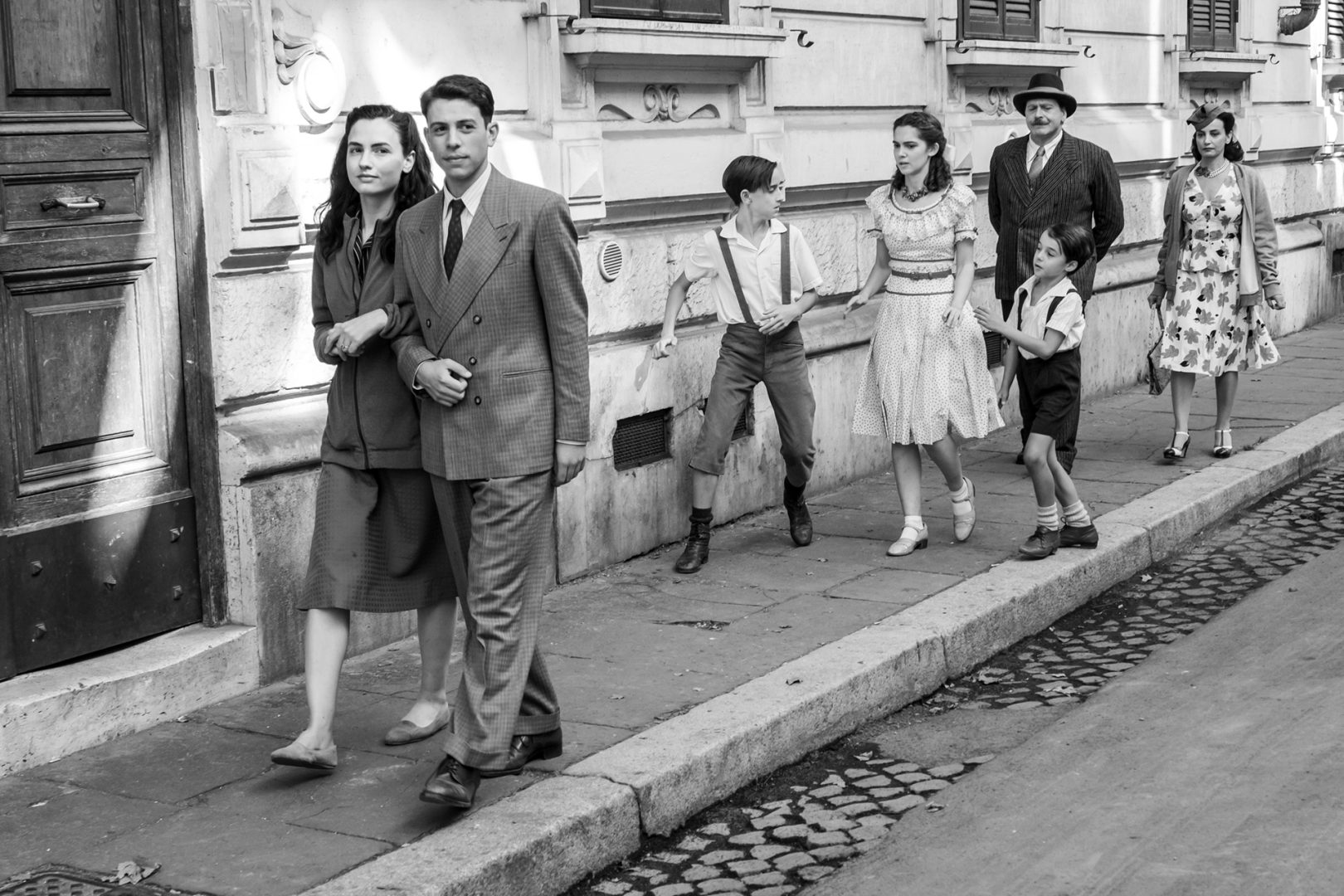
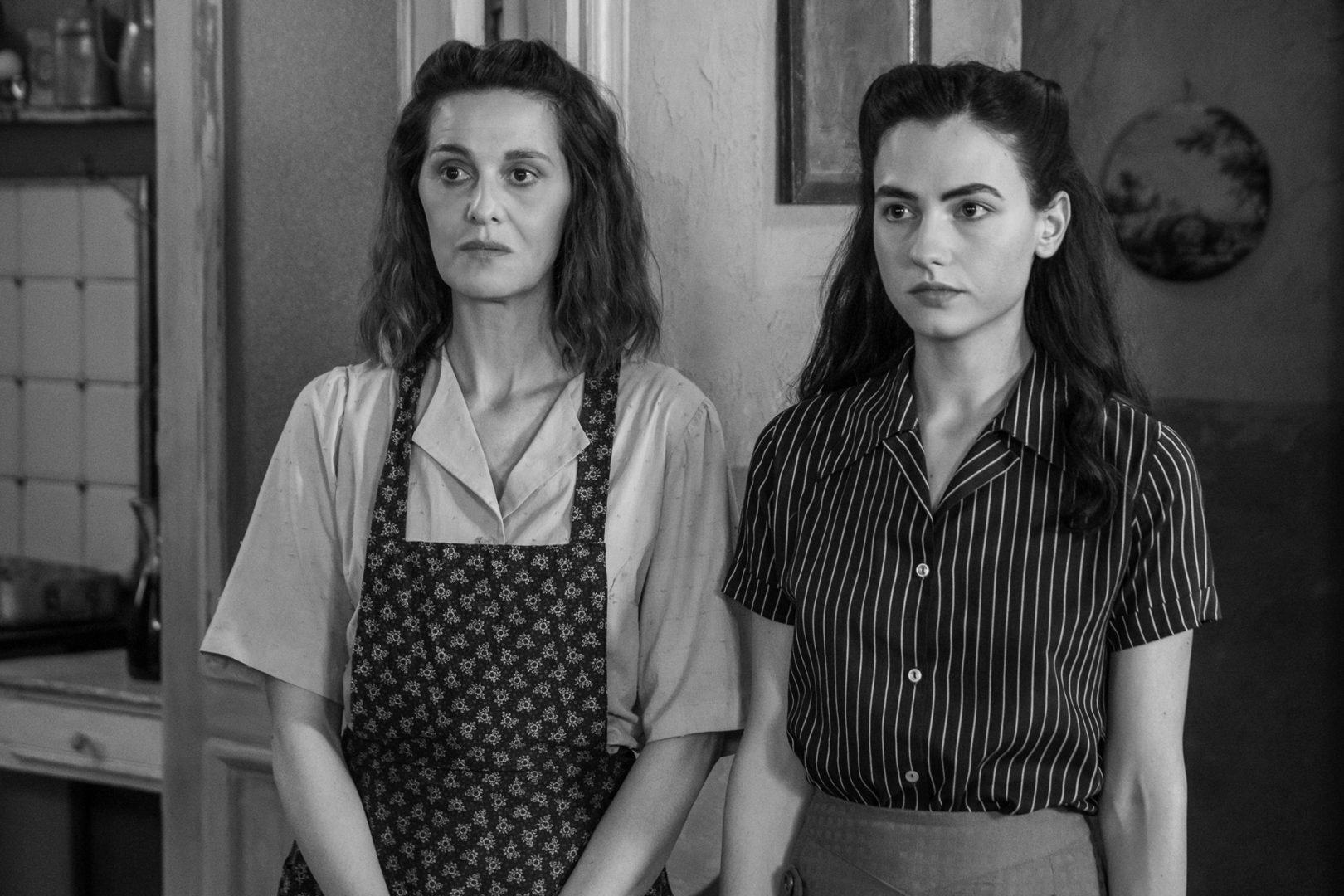
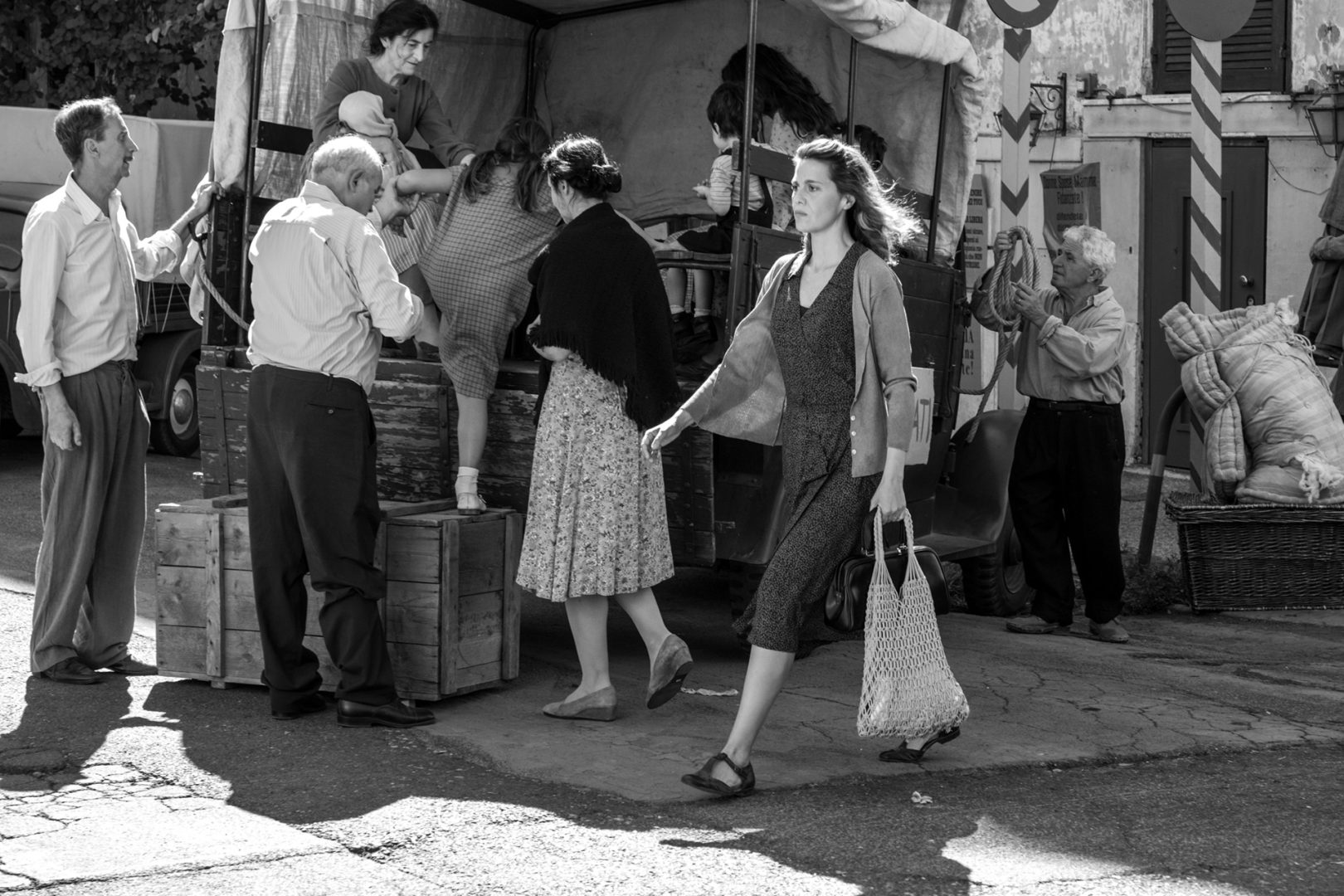
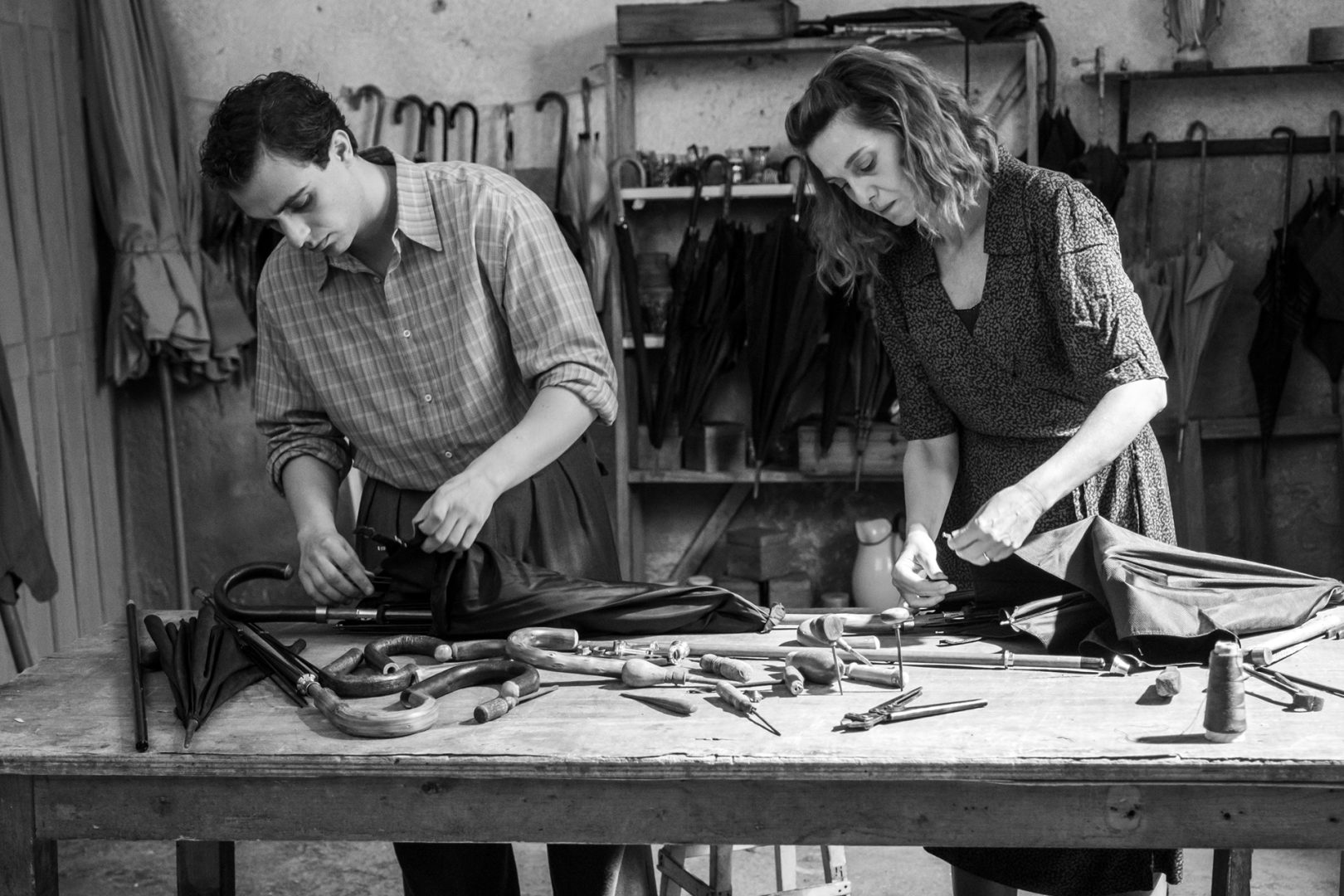
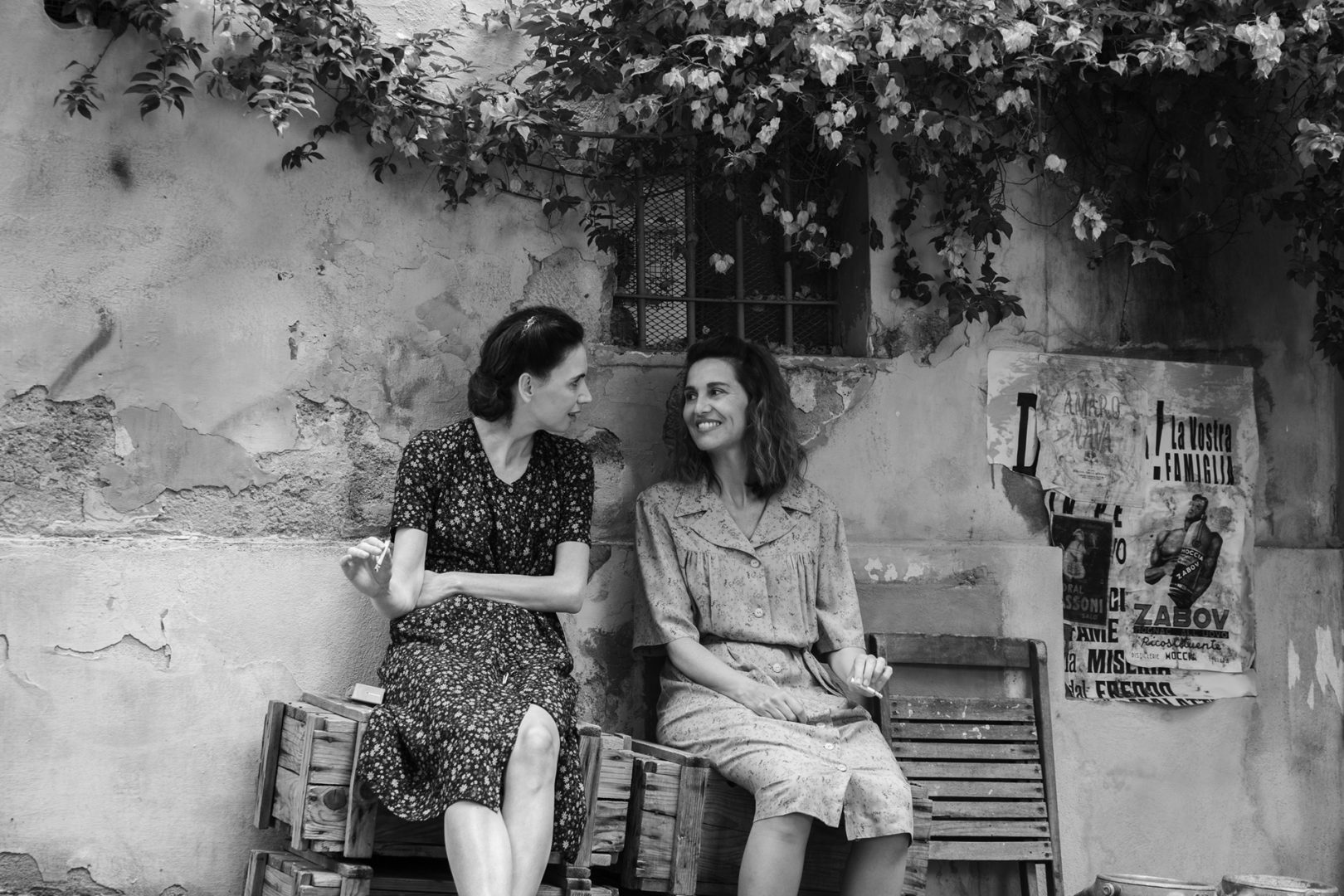
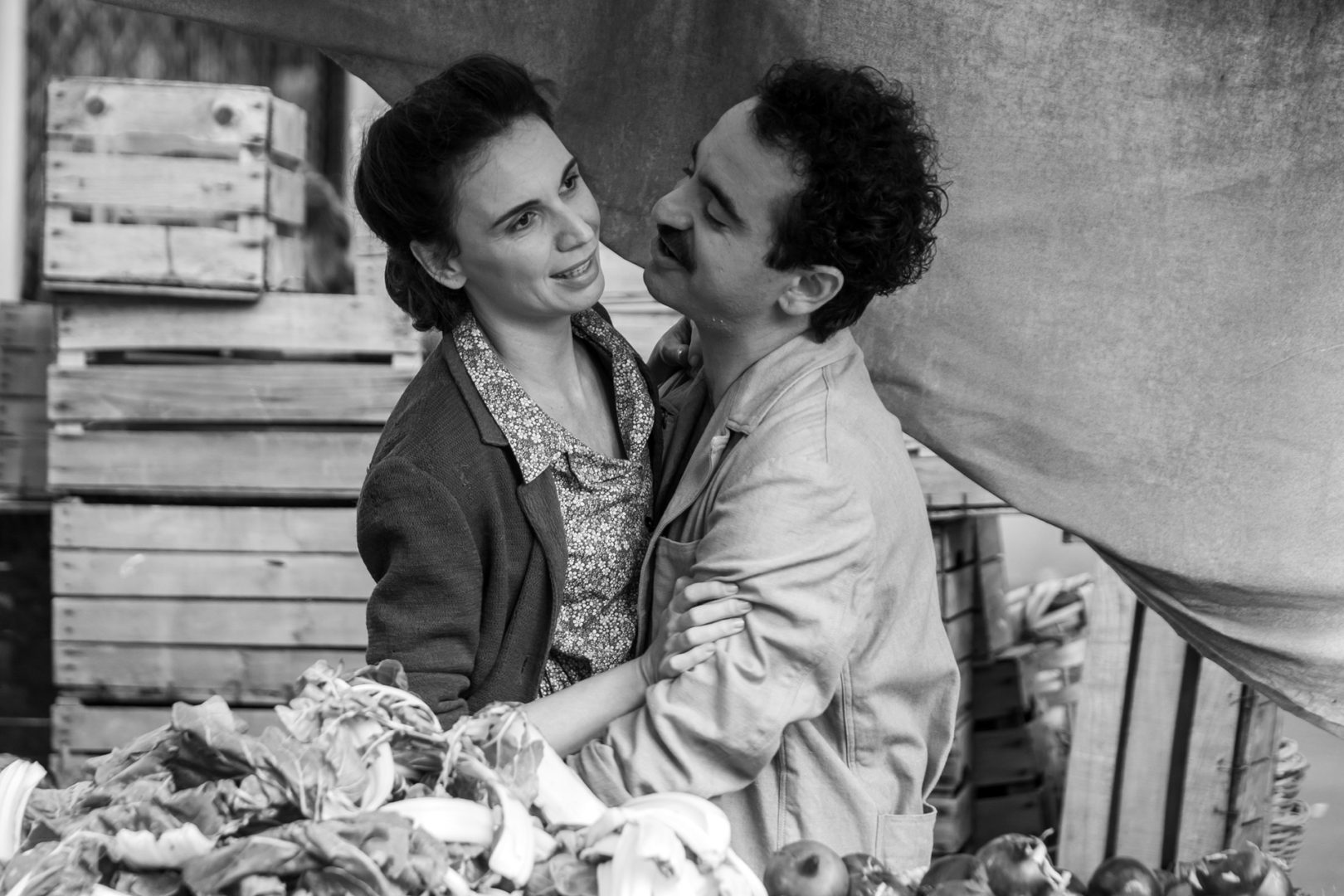
At the mercy of a domineering husband and a scoundrel father-in-law, a prisoner of the hearth, a champion of the courtyard, Delia's sole aspiration is the impending marriage of her eldest daughter, her beloved child and her only great love, for whom she nurtures hopes of a comfortable and serene life. It seems like one of the plots – always a bit sinister – of many fairy tales for girls, but instead, it is a rather common story of any Italian family in the second half of the 1940s. A slap in the face and off you go, as if nothing happened. I had this image in mind and the desire to portray, through Delia, the women I imagined from my grandmothers' stories; dramatic events, narrated with the will to smile about them, stories of hard lives, shared with everyone in the courtyard. Joys and miseries, all out in the open, all together always. In those stories, there were ordinary women, those who didn't make history, who accepted a life of oppression because that's how it was established, without questioning it. This was it. This, sometimes, still is. Reading a book for girls about the history of women's rights with my daughter, I found Delia's redemption, the ending of this story, built step by step together with my inseparable companions Furio and Giulia, who first understood, encouraged, and stimulated me. And they trusted me. This first film of mine was possible thanks to trust. That of Mario and Lorenzo who, unwisely, told me some time ago: "When you feel ready for your directorial debut, we'll do it together" and who didn't bat an eyelid when years later I proposed they produce a daring period film – in black and white – that deals with oppression and violence – "but which I think is sometimes funny... I think." I had the trust of every artistic and technical department, of an excellent team that worked every day with care and passion, of a prodigious cast down to the smallest role, capable of moving from one register to another with astonishing agility. I had the trust of Valerio, who decided to put his infinite talent at the service of this story and accepted to play this infamous individual after my first telling at the bar; of Emanuela, who with her exceptional ability to alternate light and serious and meticulous dedication, helped me to deepenevery single nuance; of Giorgio Colangeli, on stage with the kindness and bursting strength of great masters; of Vinicio, who when asked: "Have you read it?" replied: "No Pa', I've really seen it." The grace and great interpretive skills of Romana Maggiora Vergano allowed her to make such a tough girl lovable and to portray the restlessness and fragility of Marcella's character, the engine and goal of Delia's journey. Delia is worth nothing, so she was taught. But a letter with her name on it and the love for her daughter ignite her courage to change things. I tried to imagine what those women, those real women, felt when they received a letter in which someone – far more important than their domestic tormentors – certified their right to matter. With "C'è ancora domani" (There's Still Tomorrow), I wanted to tell the extraordinary deeds of the many ordinary women who, unknowingly, built our country. Delia is our grandmothers and great-grandmothers. Who knows if they ever glimpsed a "tomorrow." For Delia, there is a tomorrow. It's a Monday, and it's the last useful day to start building a better life.