Amanda
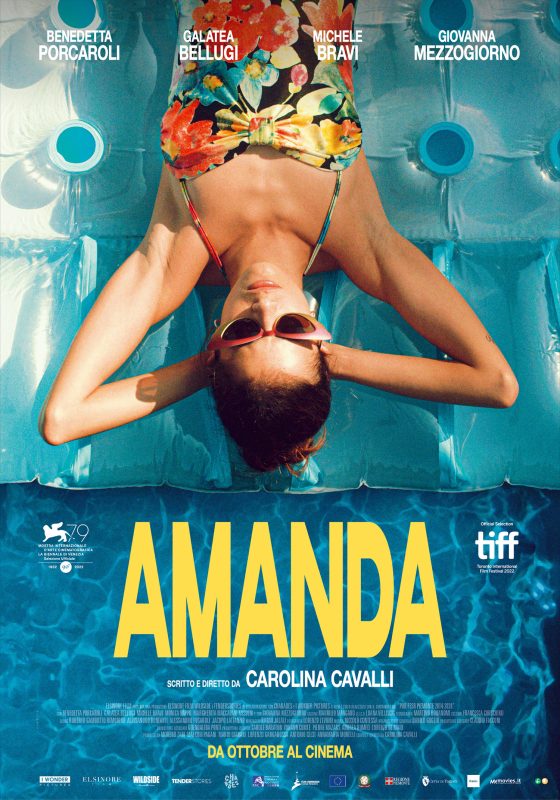
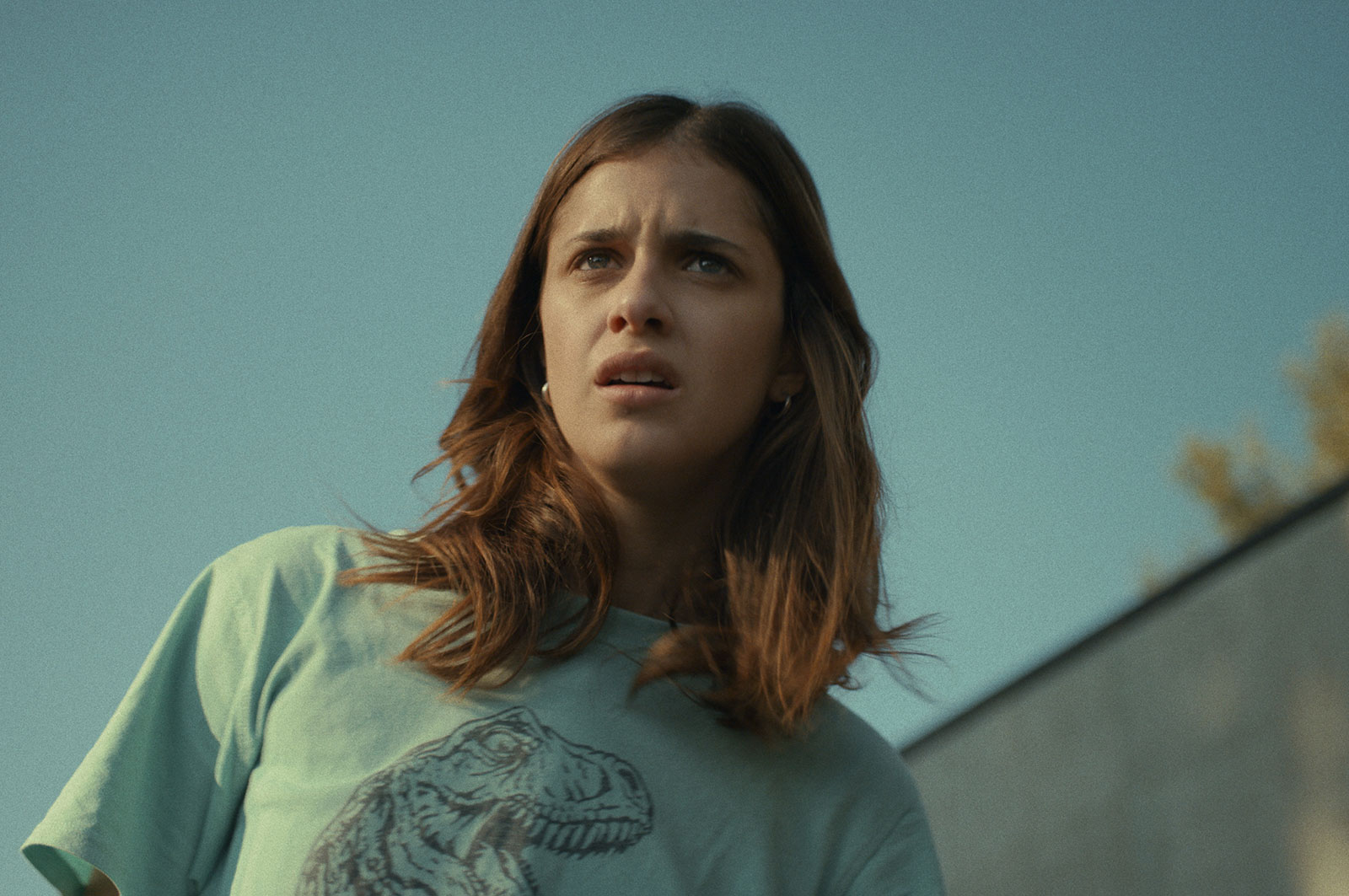
When I wrote Amanda, I didn't have any particular intentions, other than to write a good story, which is kind of what I always try to do. It's not that I really had a plan; I had a character in my head, and I think that if you treat characters with respect, the same respect you have for people as people, then you don't really have to worry about the story anymore. And then I don't believe that the way of telling and writing it can be so different from the way of the person who writes it: in this sense, it's a relief not to have a choice, because maybe it's not the best way, but in the end, it's the only one for oneself. For example, I noticed that the film often yearns for melancholic, ironic, and sober things; these three together, in fact, are characteristics I admire greatly.
It's clear that imagination has its limits when it wants to be represented: reality, one's own abilities. But I've never indulged these problems, and I'm happy about that.
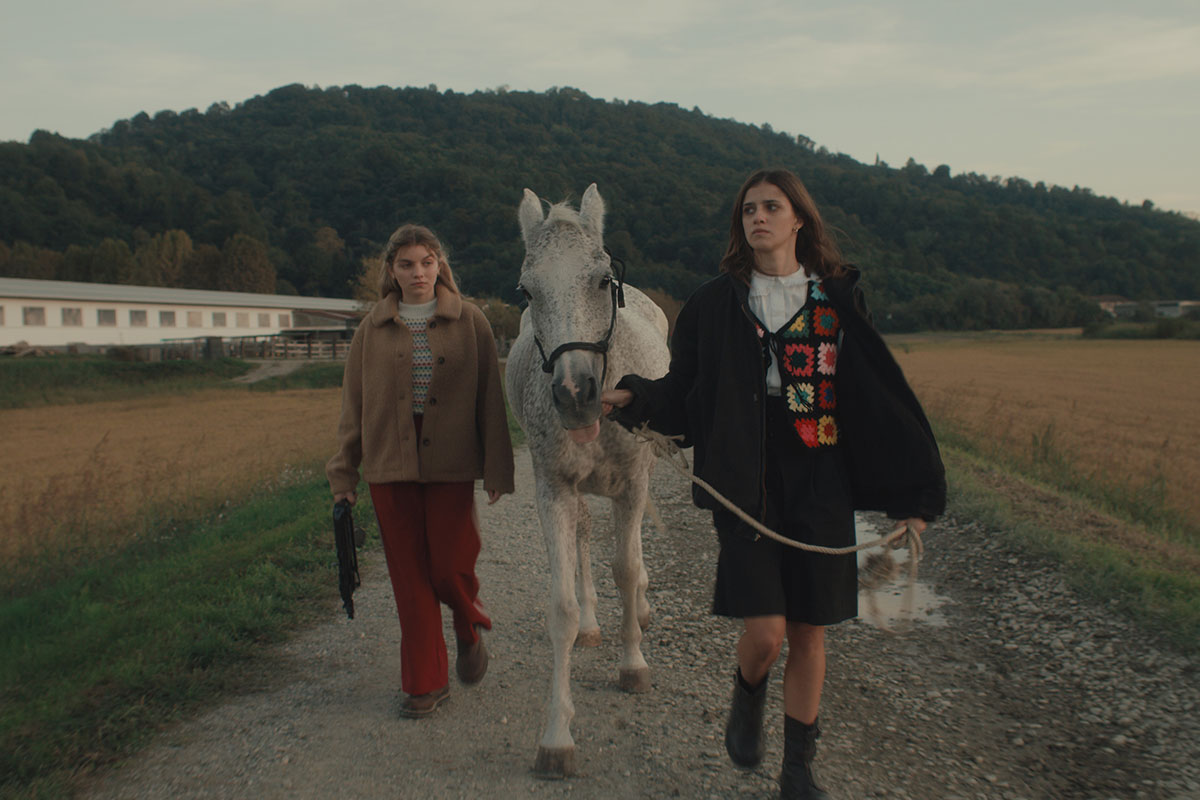
I don't have a great relationship with time or geography, in fact, even if it's not explicit, all the characters in Amanda are always early and have no sense of direction. If I can choose, I feel comfortable working with light where you don't quite know what time it is, and with non-places. As a reference, for me there are landscapes that resemble interior landscapes more than others, or at least that I recognize as such and prefer: the moor, suburban places of the Mid-West, how I imagine the outskirts of Tokyo from photos I've seen because I've never actually been there, and so on. I would be sorry not to be able to put them together, one next to the other, just to respect a real geography, which doesn't belong to the world of the film anyway.