Finally dawn
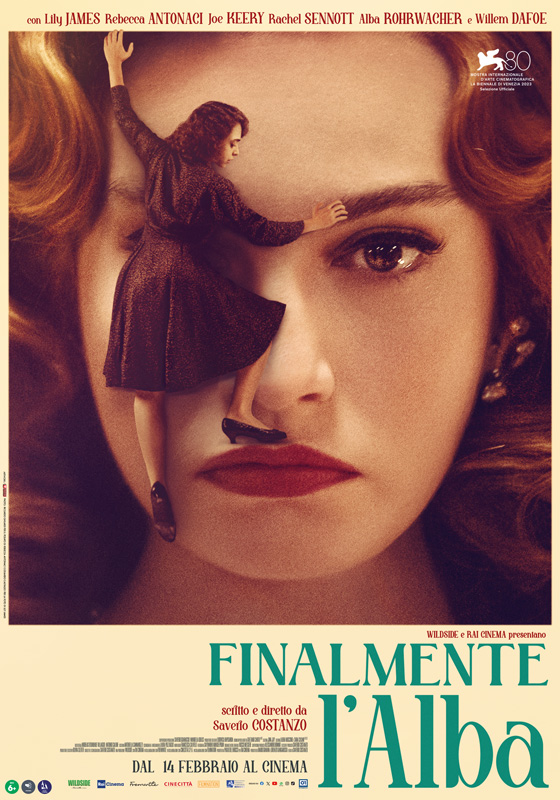
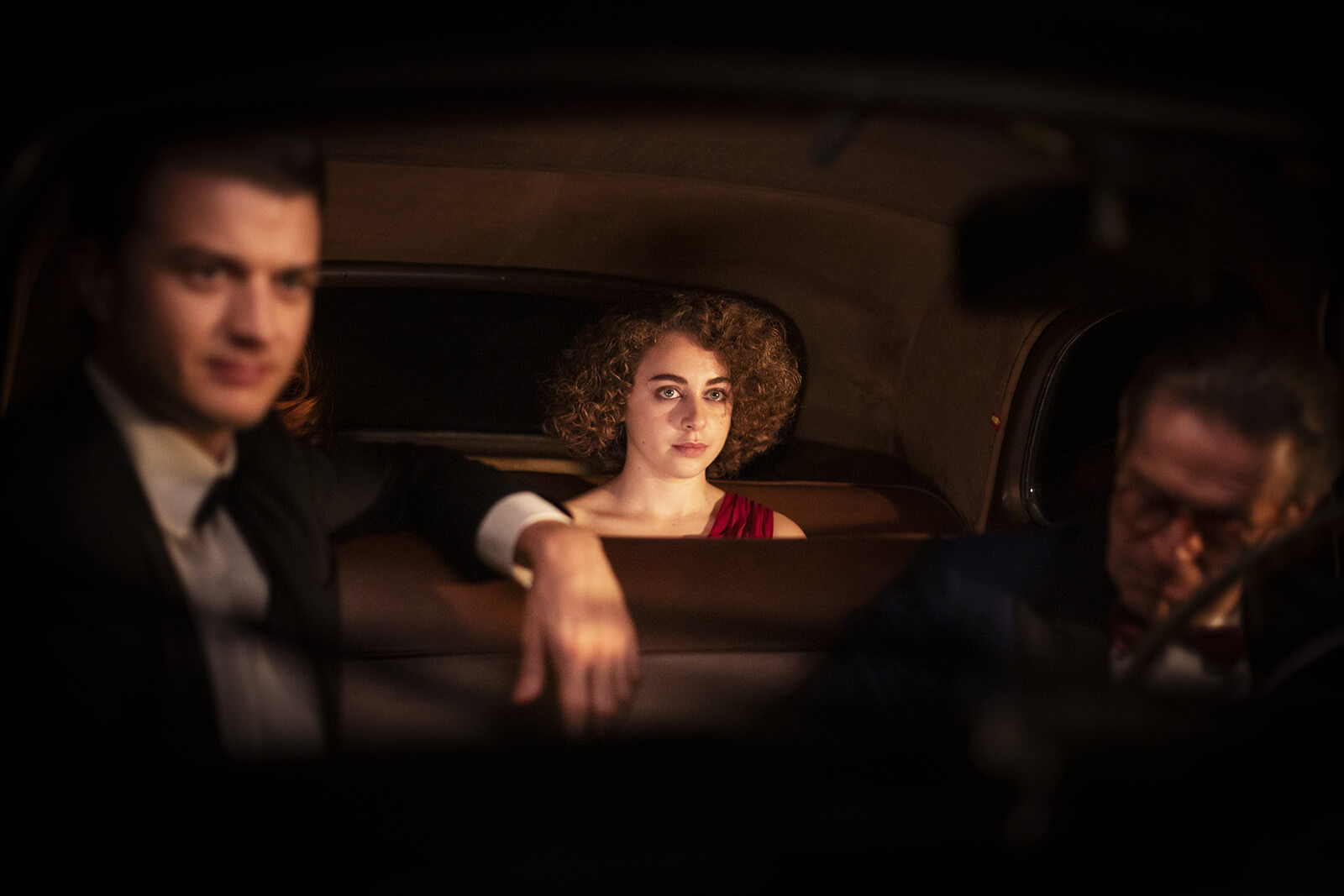
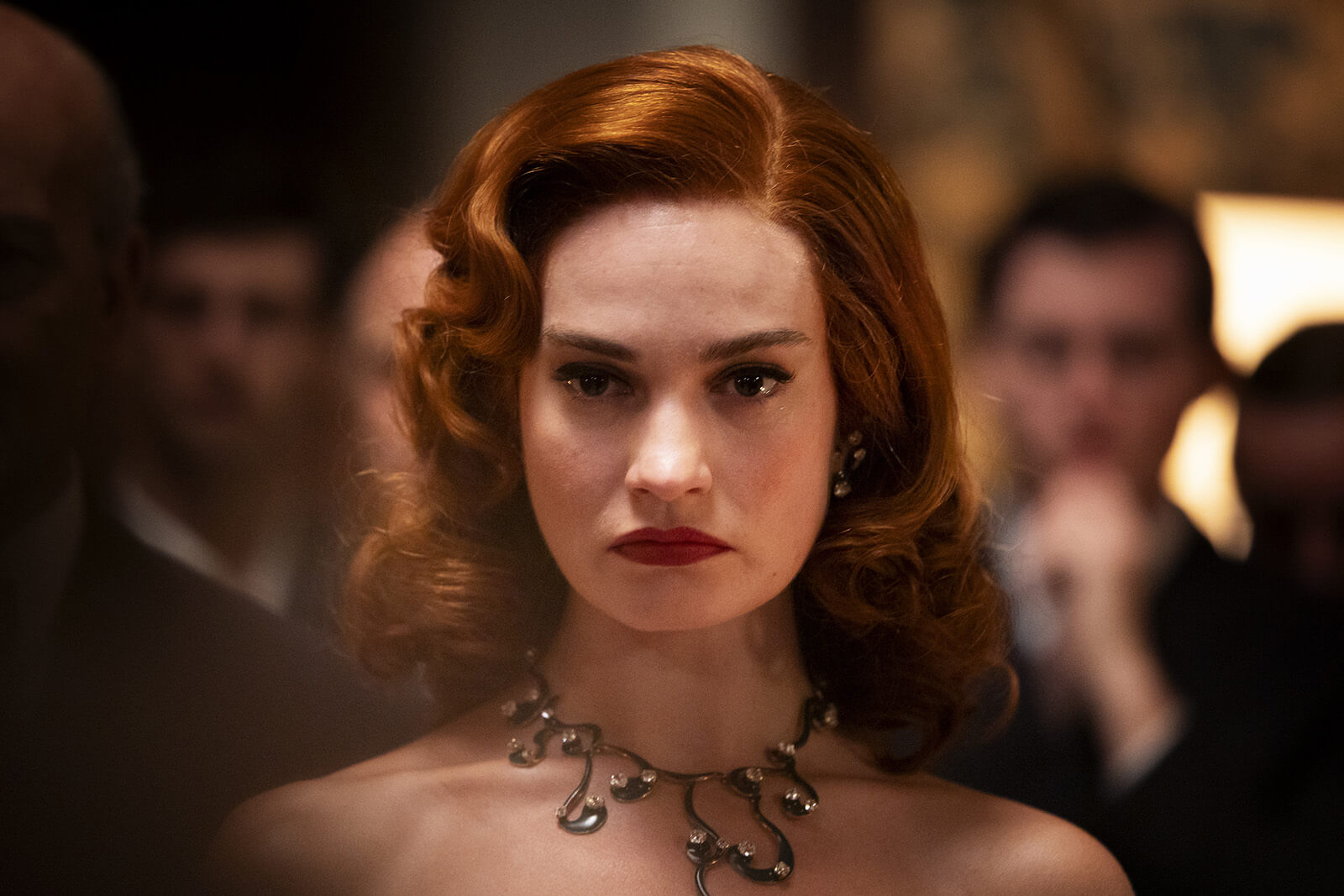
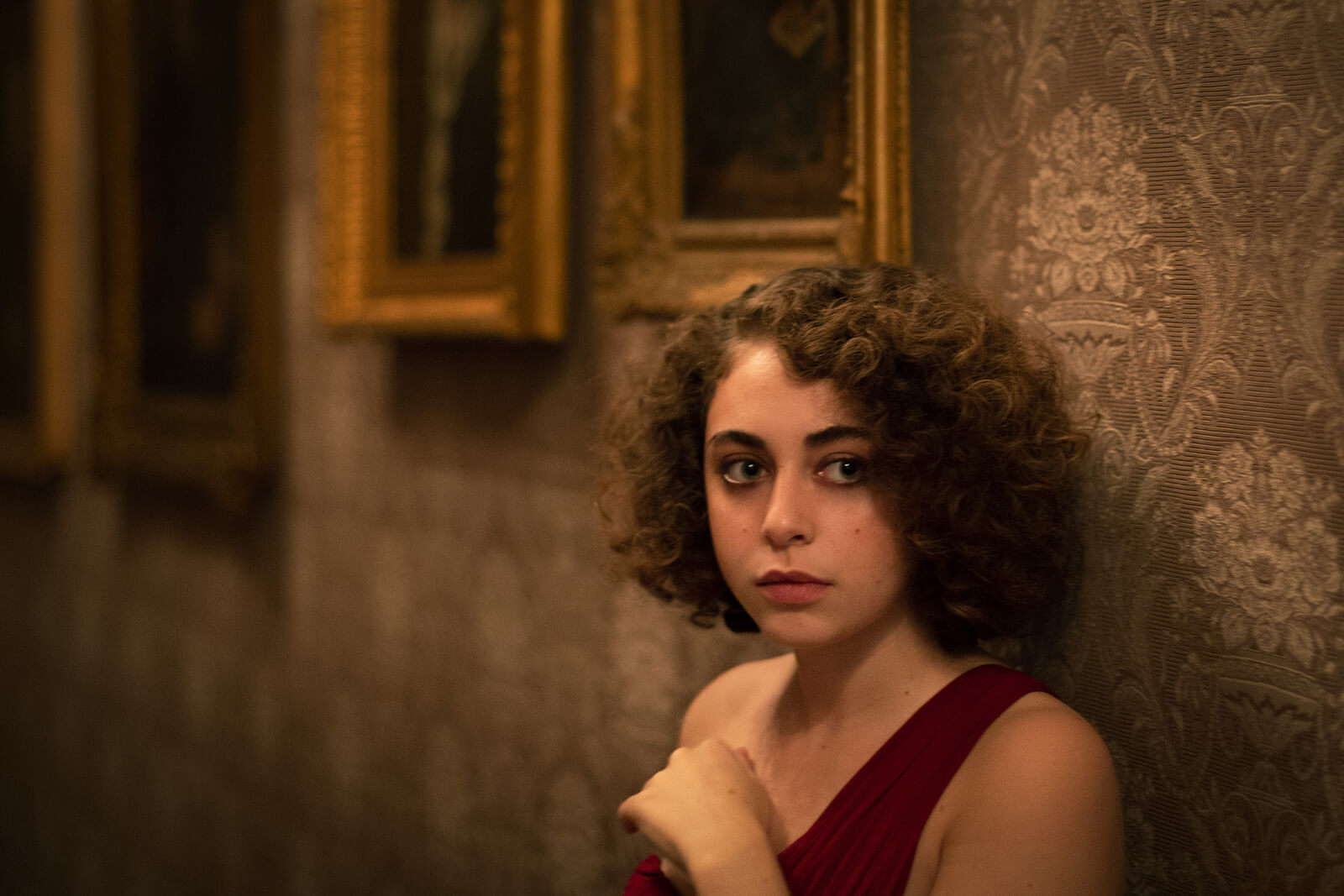
Initially, I wanted to write a film about the murder of the very young Wilma Montesi, which occurred in April 1953 and represented Italy's first case of media assassination. The press speculated on the affair, which involved political and entertainment figures, and an obsession was born in the public that soon turned into indifference. The victim disappeared from the headlines to make way for the parade of her possible perpetrators. Then, as often happens when writing, the initial idea changed, and rather than letting the innocent die, I sought her redemption. In fact, I like to think that "Finalmente l'alba" (Finally Dawn) is a film about the redemption of the simple, the naive, of those who are still capable of looking at the world with wonder. The protagonist Mimosa is a blank page, on which each of the characters she encounters writes their story, without fear of being judged. Mimosa is a simple girl, a very young extra from Cinecittà who, in 1950s Rome, accepts a social invitation from a group of American actors and spends an endless night with them. She will emerge different at dawn, discovering that courage is not for repaying others' expectations, but for discovering who we are.