The eyes of others
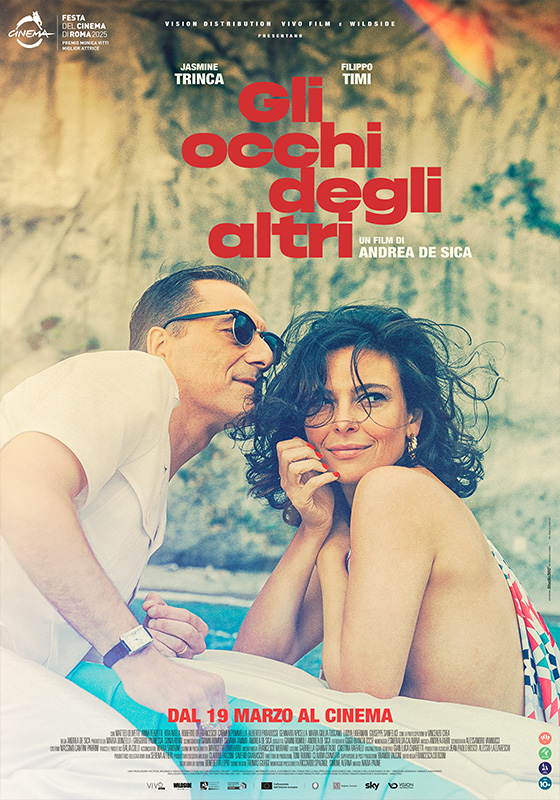
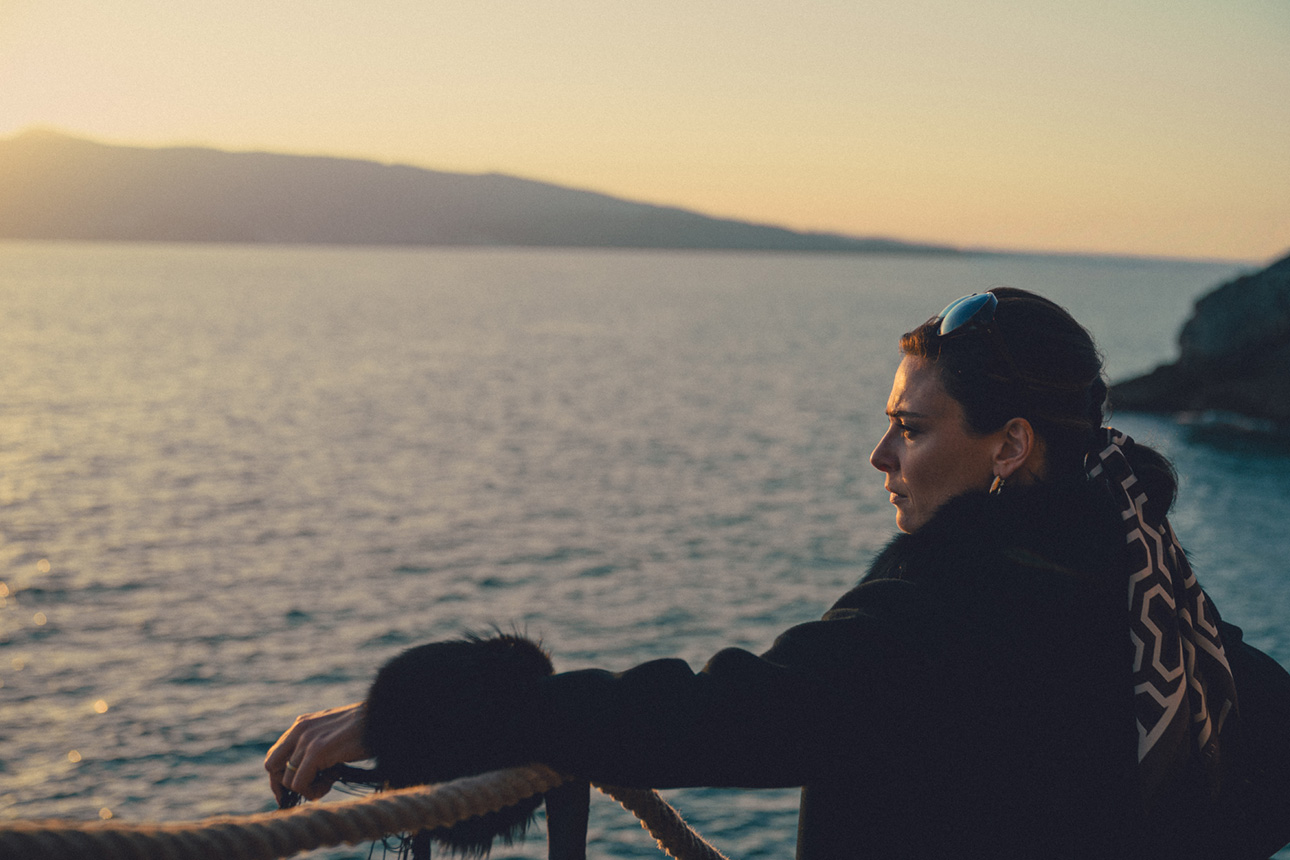
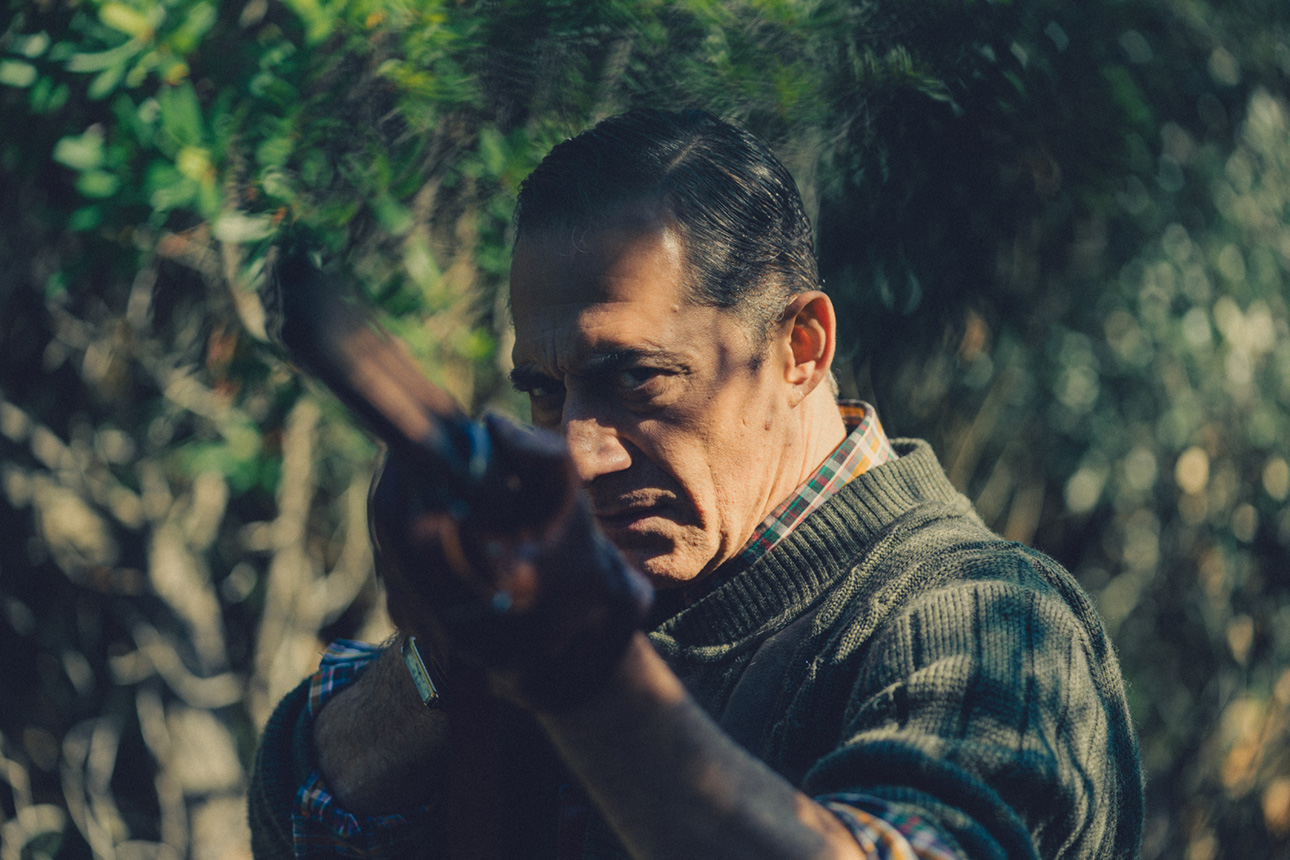
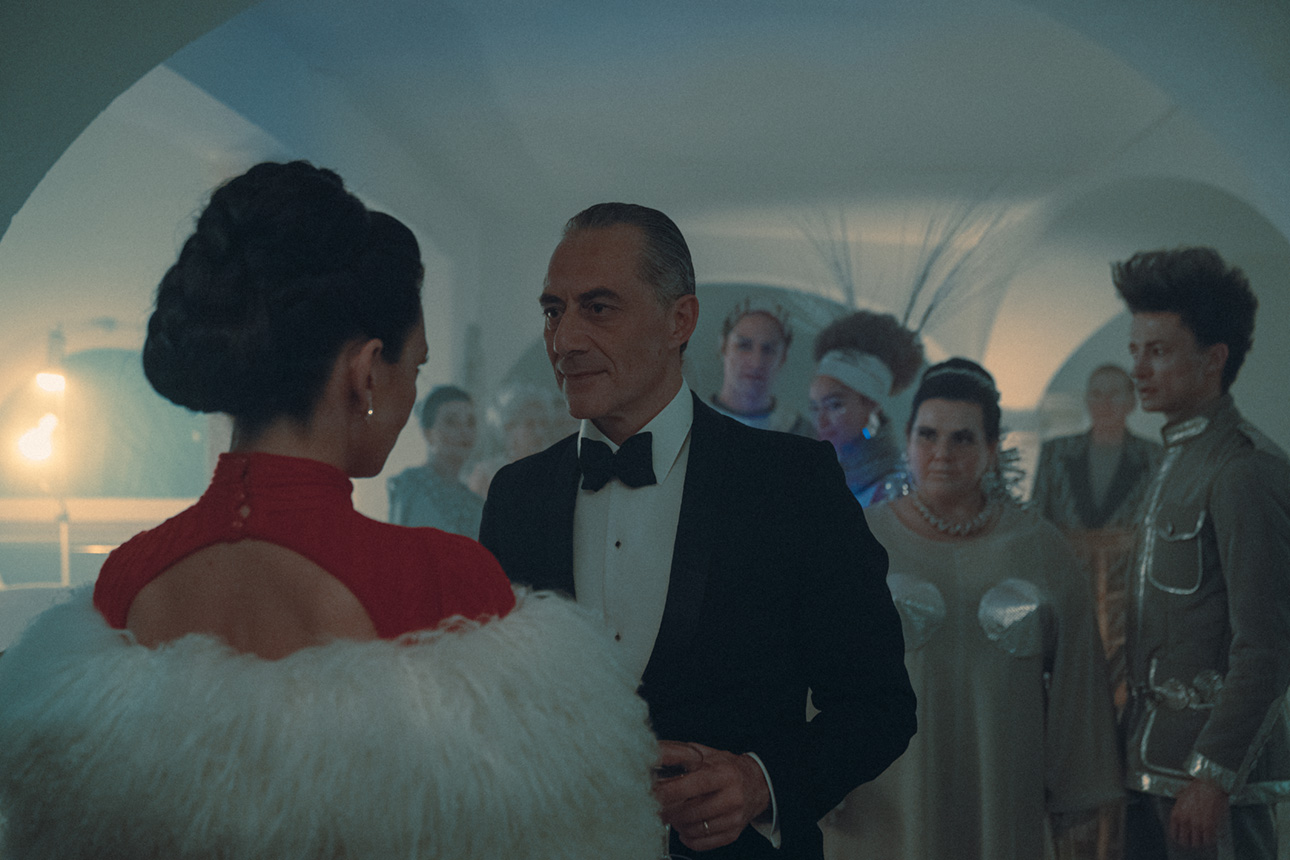
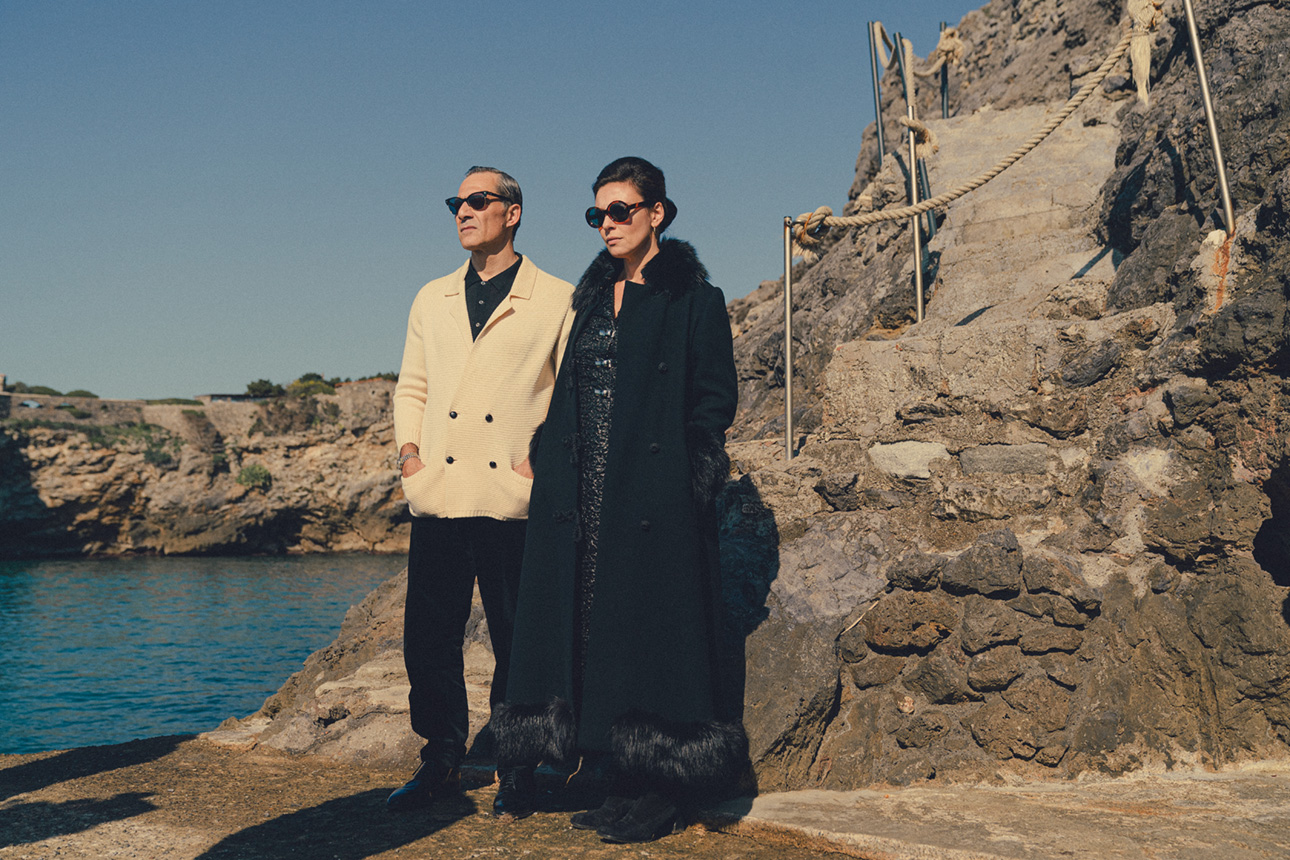
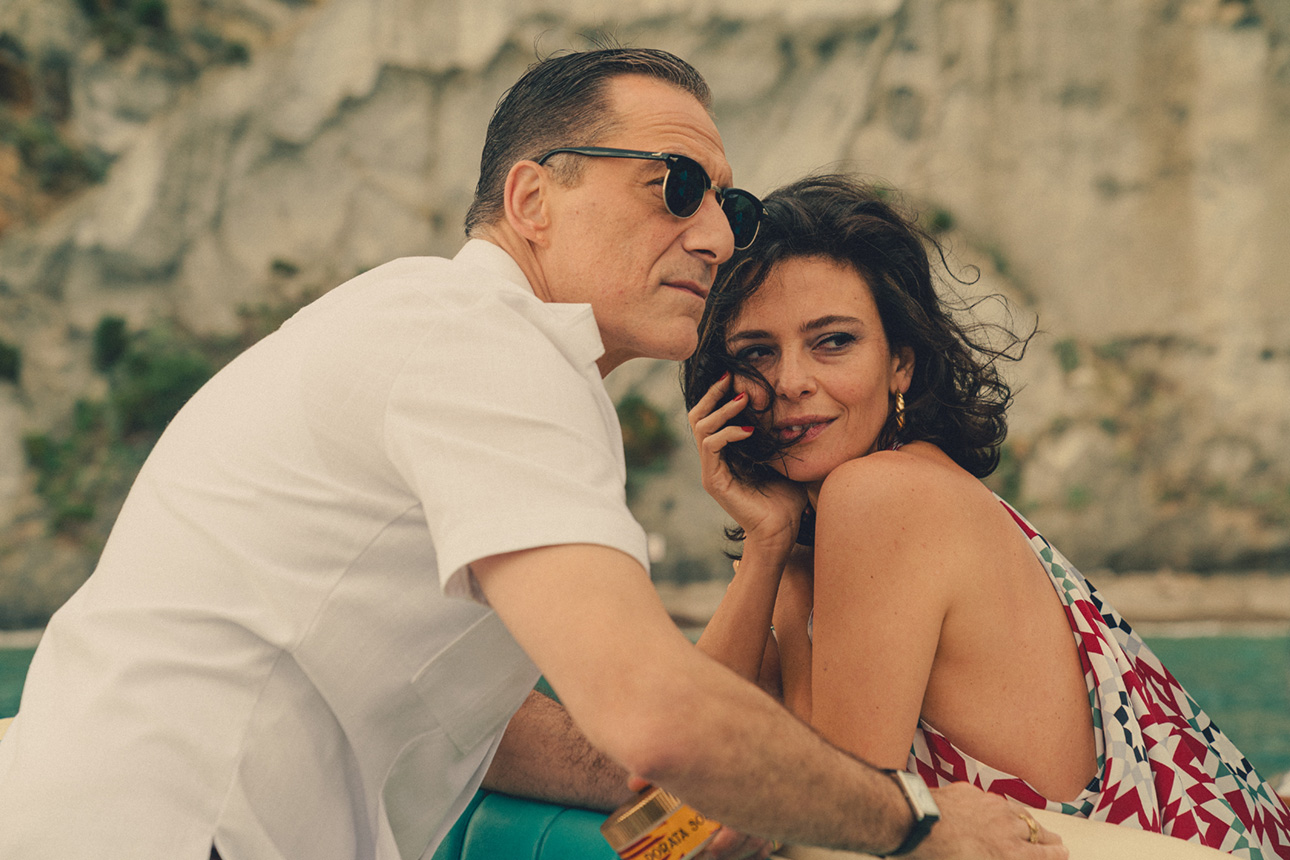
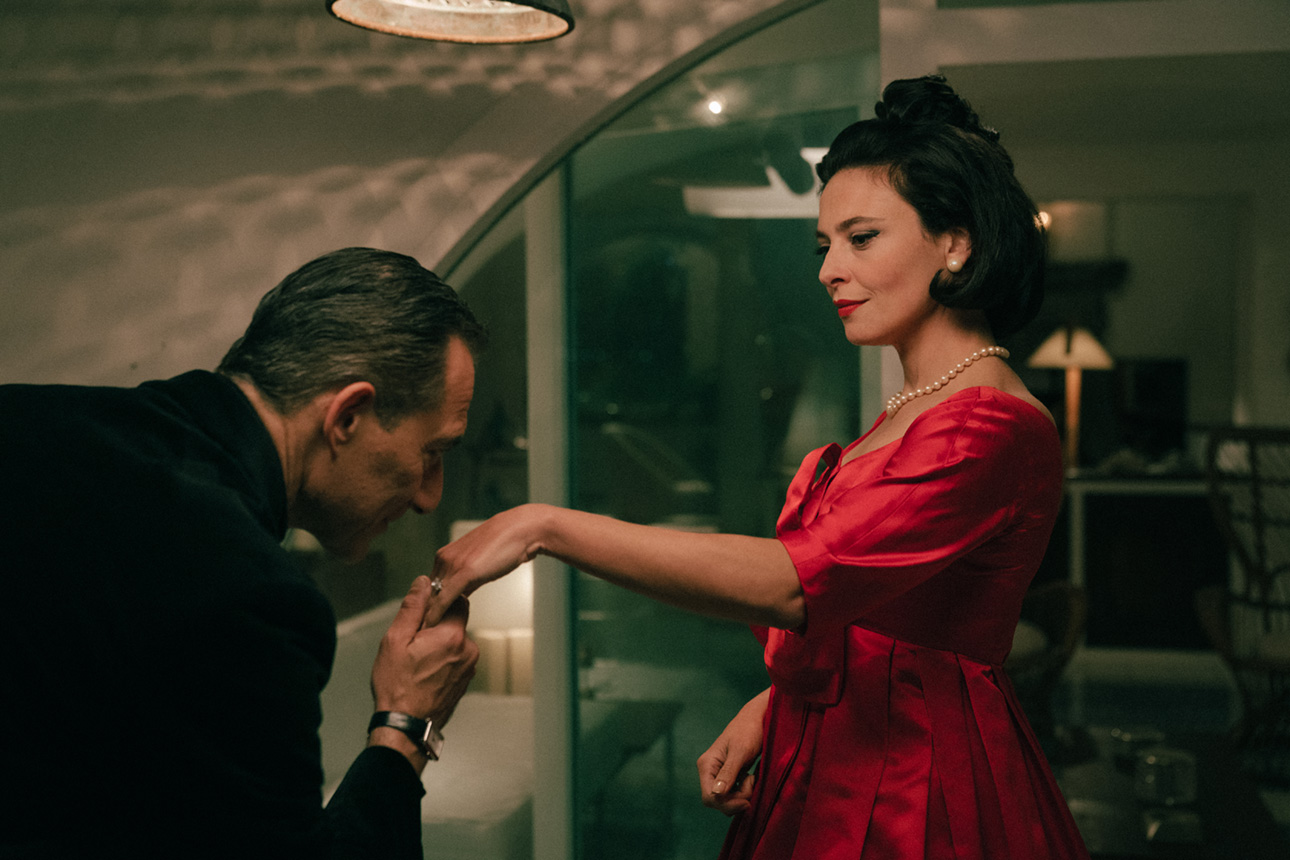
When passing by the island of Zannone by boat, in the Pontine Islands archipelago, one can glimpse what remains of a large abandoned villa. If you are with someone who knows the area, they will tell you the dramatic story of the owners of that island. The Marquises Casati-Stampa, Camillo and Anna, a high-society couple of the 1960s. Worldly and nonchalant in the aristocratic world: he one of the richest men, she one of the most beautiful women in Italy. In August 1970, Anna was found shot dead in the study of her Rome home along with a young man barely in his twenties. It was the Marquis who shot them both, taking his own life immediately after. Journalists, who immediately rushed to the crime scene, stole some photo albums. The Marquises' secret life was thus exposed: she was photographed having sexual relations with strangers, mostly from humble social classes, paid for by her husband. The young man killed was a playboy with aspirations of social climbing. Initially participating in that erotic and morbid game, he had subsequently begun a romantic relationship with the Marquise, becoming fatally trapped. When I discovered this story, I decided to go to Zannone alone. Having landed on the abandoned jetty, I followed a path that climbed a sun-scorched mountain. Among the bushes, I heard the footsteps and crackling of large animals, which increased the climate of tension and excitement befitting an adventure. Passing a semi-destroyed gate, I entered the kitchen, which bore traces of sparse but tasteful furnishings. The atmosphere was charged with an undefined tension that brought back to mind the stories about the landlords: the Marquise sunbathing naked on the terrace; the physical relationships with dozens of men; the photographs taken like photo novels; the hunting parties and the cartridges scattered everywhere. Outside, the sun was setting, I decided to go back. On the way back, the large animals finally revealed themselves: a family of mouflons jumping the fence to run into the dense vegetation behind the villa. And that's how I decided where this film should take place: only on this island – their secret garden. I began to search for information about the Marquises' lives, I bought books, vintage magazines, collected all the articles published about them and everything available online. The research was not very fruitful, however, and even on the crime there was little precise information; no investigation was even carried out because there were no survivors and the case was closed without a definitive truth. The news reports are very incomplete and full of prurient and defamatory gossip, and I – along with the screenwriters – wondered why this story should be told today. Are we so different from then? It immediately became clear to us that we had to take an autonomous path: to tell a tragedy that unfolds under the blinding sun of an island, the seasons of a relationship that turns into a nightmare, an opportunity to explore the boundary between love and violence. A film about a decadent past, rooted in fascism, can be the lens through which to view our tragic and unresolved present. Not an investigative film, therefore, nor a crime fiction, but a film that starts from the news to seek something different, without any nostalgic approach to the past. A journey through time: from the D'Annunzio-esque and decadent world of post-war nobility, to today's revenge porn and femicide. Like the passengers of the Titanic, the characters face the emptiness of their privileges with great superficiality, unaware that they are about to enter a bottomless abyss. In fact, we move in an instant from the carefree nature of the Dolce Vita to the brutality of the arrival of the Years of Lead. Since my debut, I have depicted privileged social classes, addressing them in their most hidden and sometimes ambiguous aspects, along with their relationship with power. A power that, if managed without any ideals, leads to dangerous abysses.