The handyman
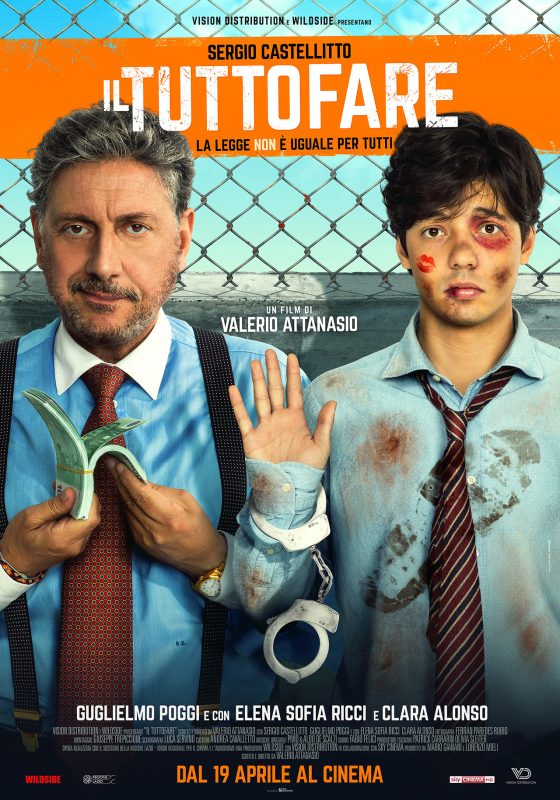
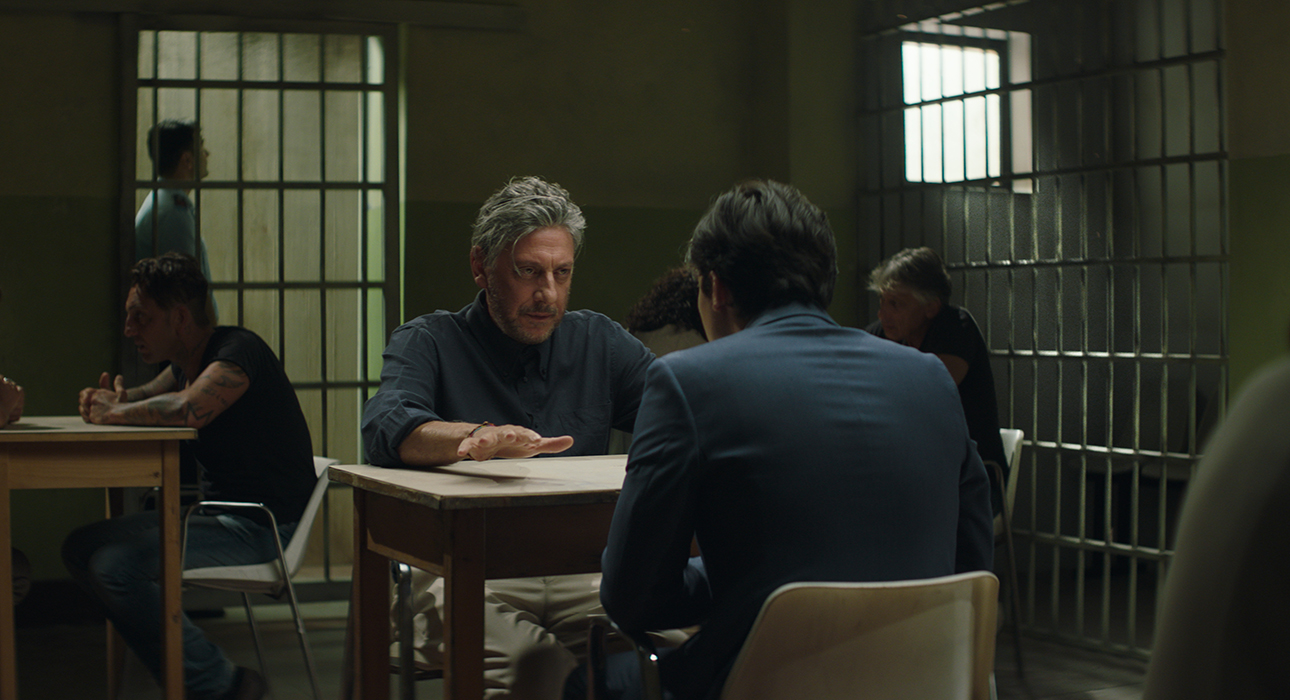
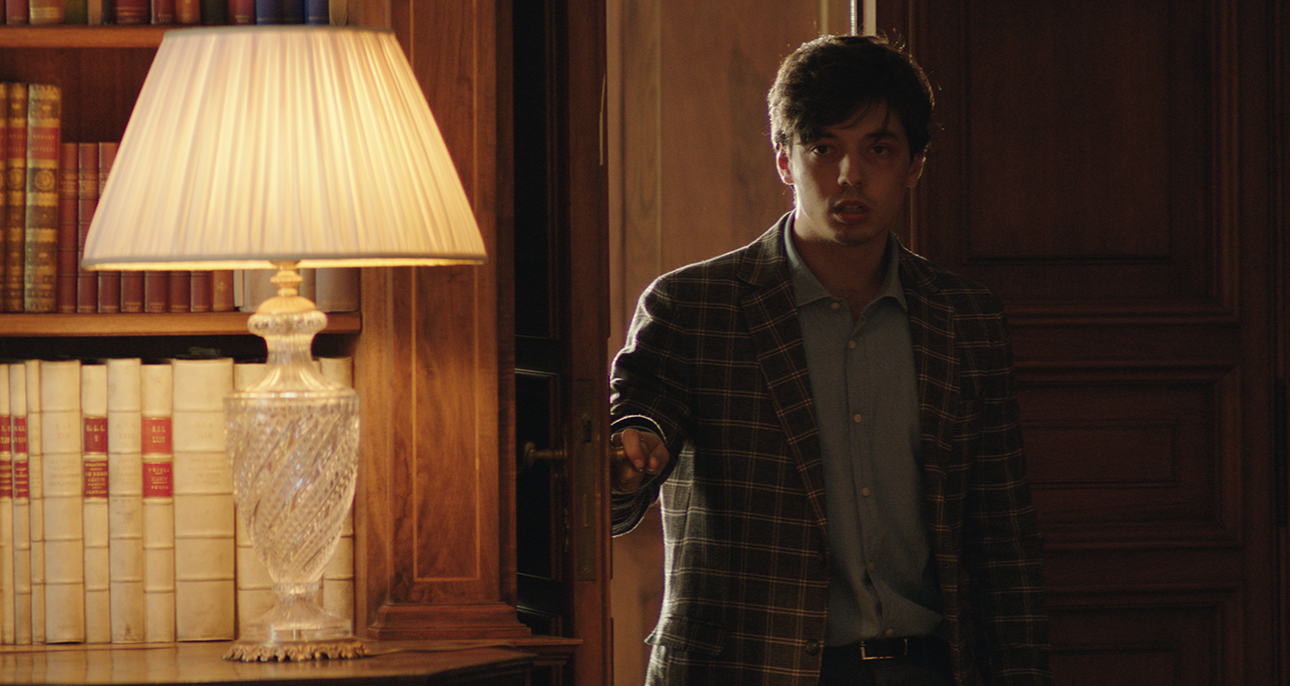

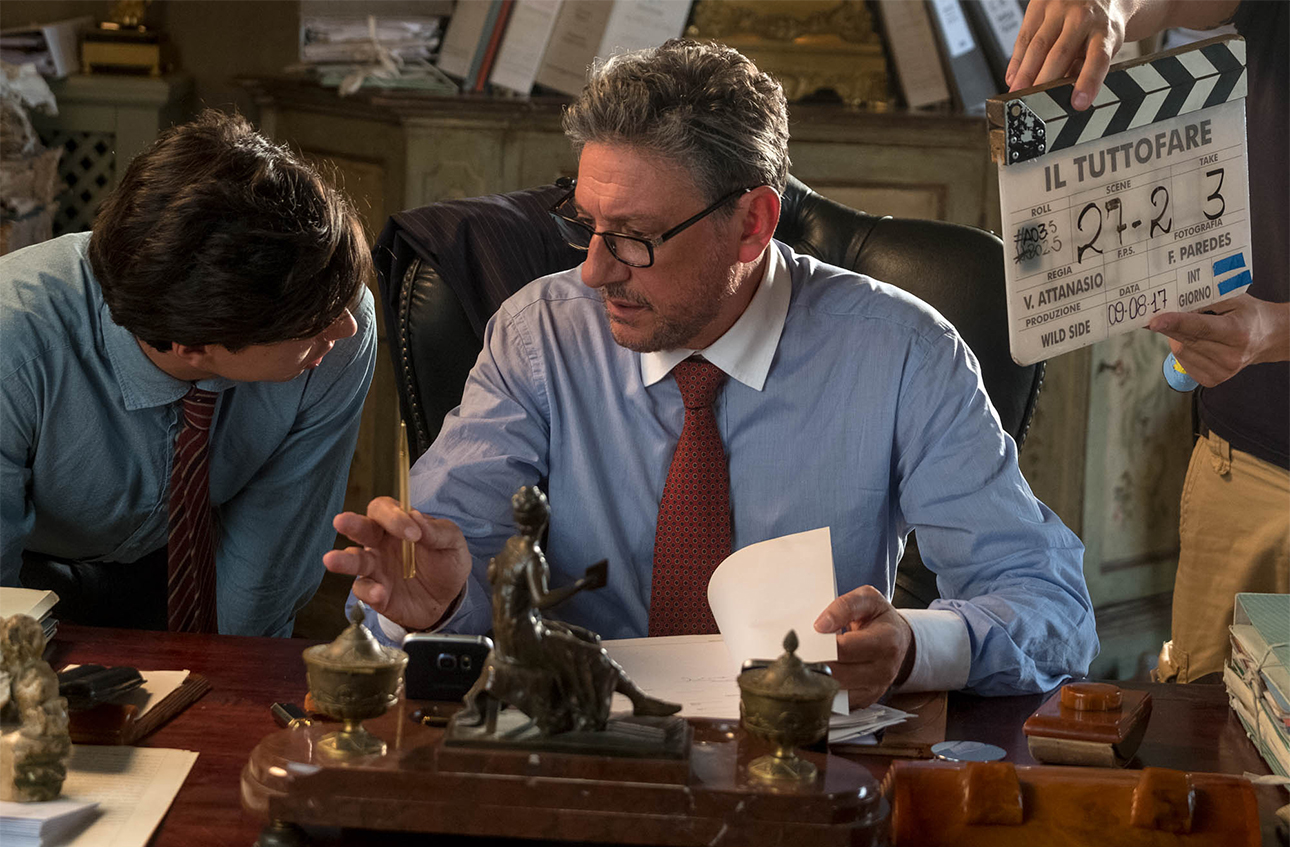
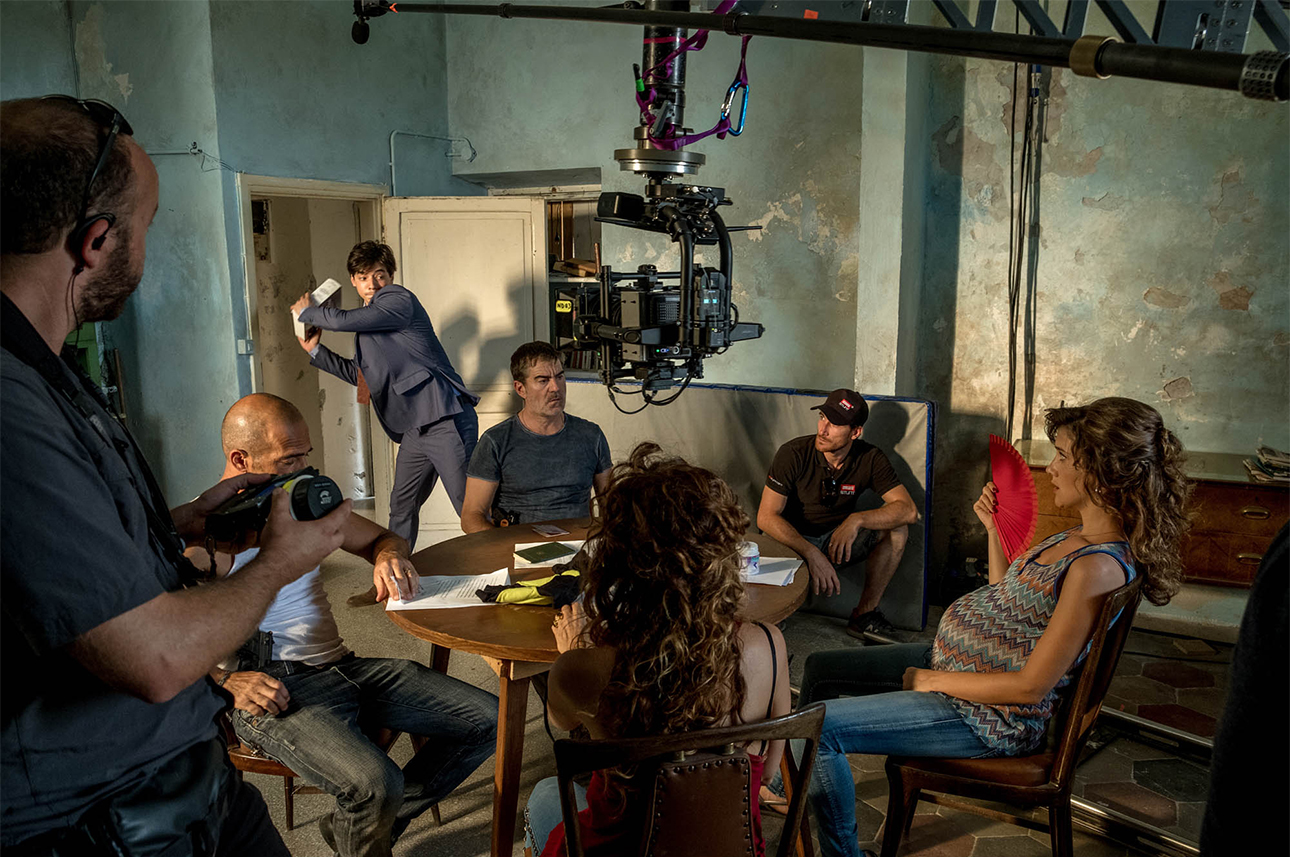
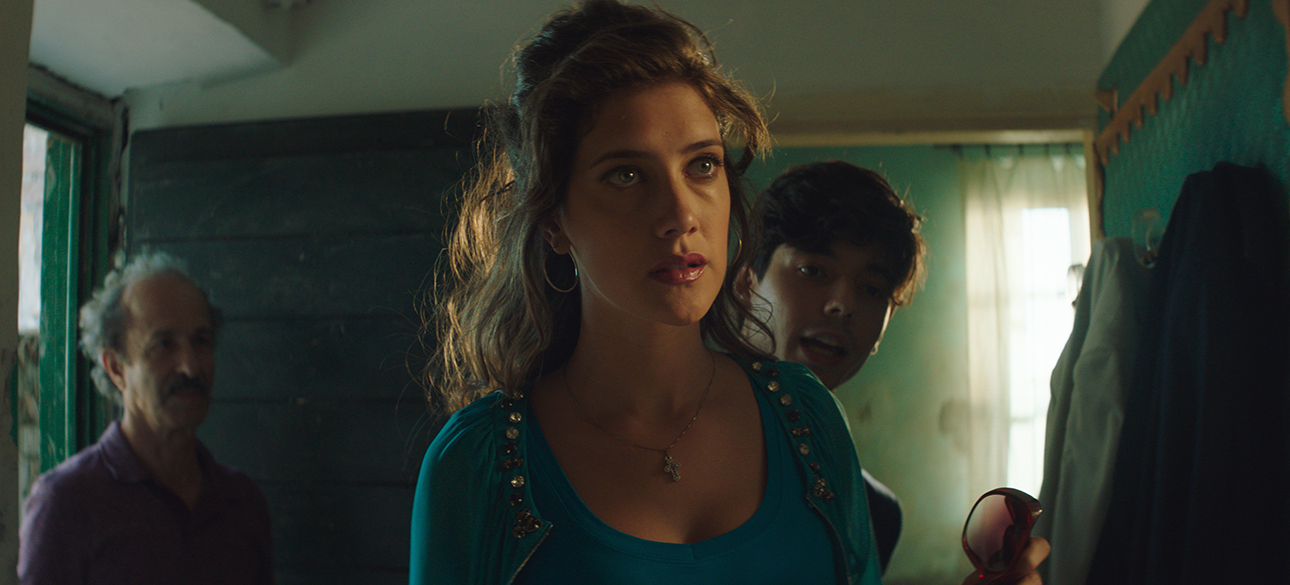
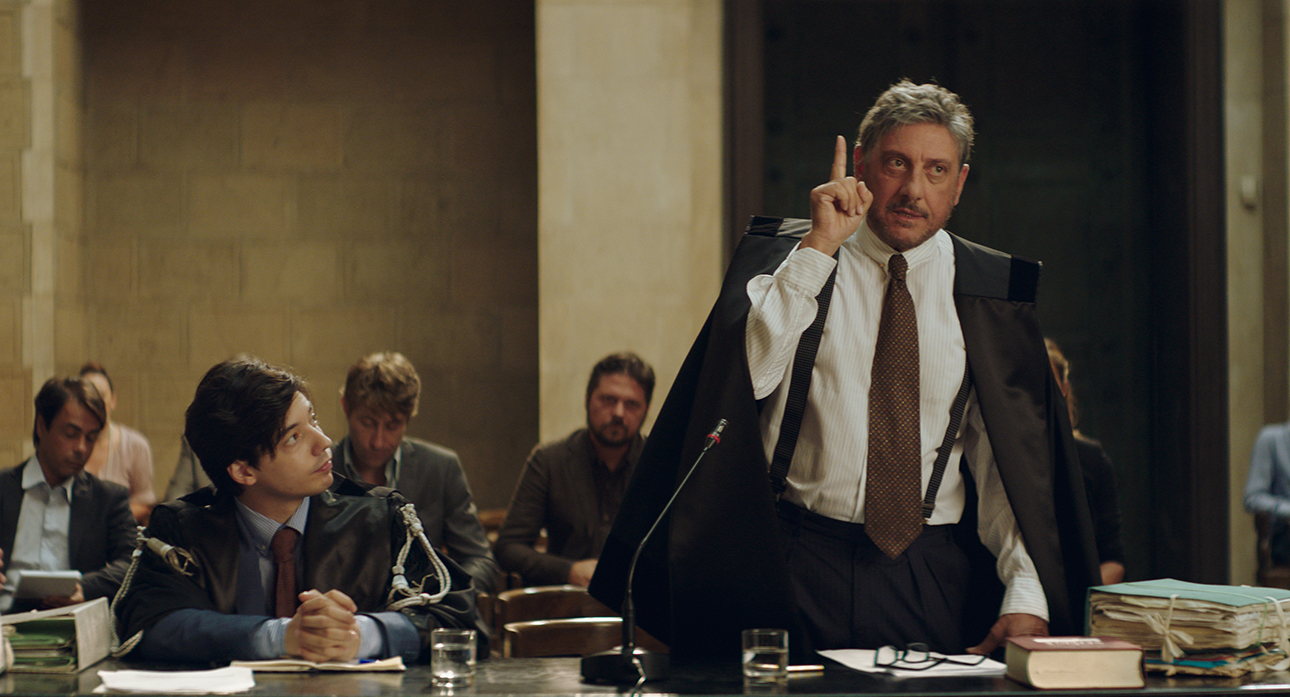
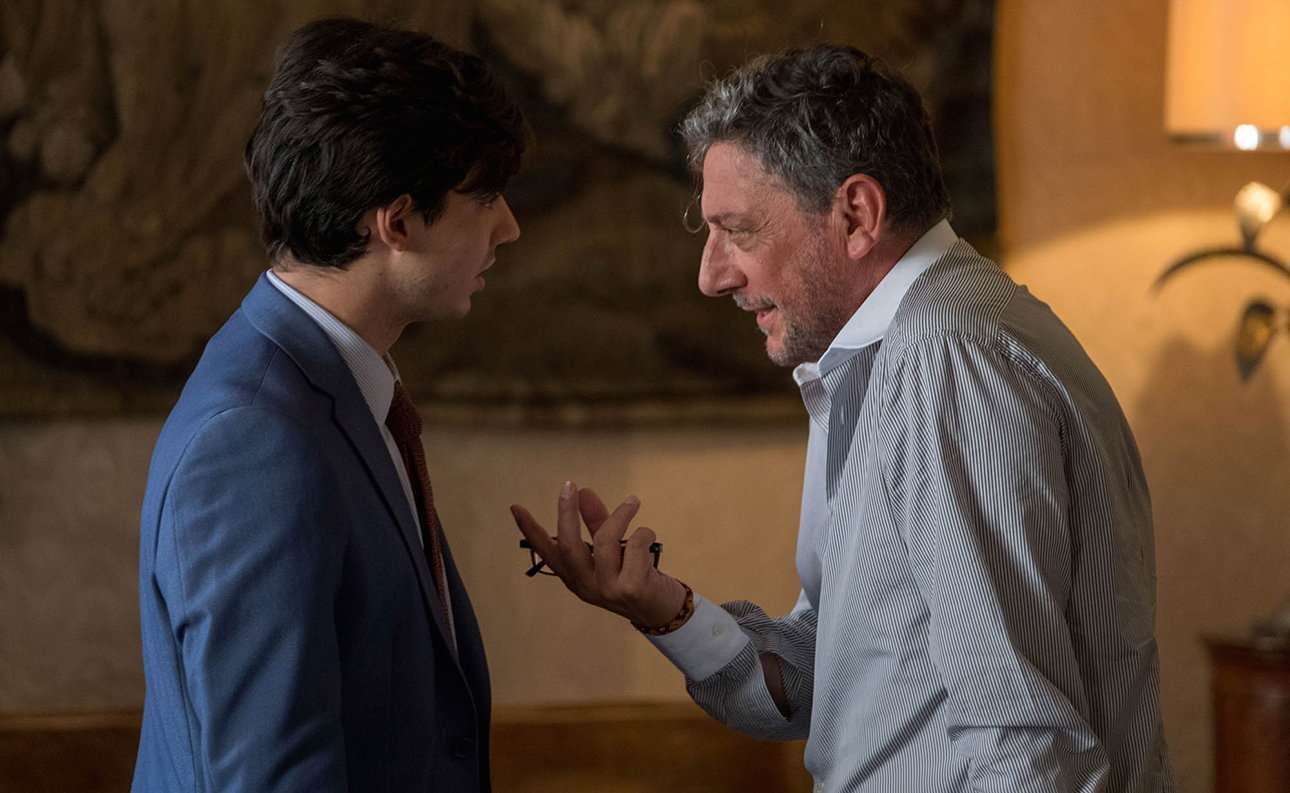



Since drafting the story, I’ve always imagined “Il Tuttofare” as a sort of comedy bildungsroman on a young man entering the world of work: a brilliant university student’s initiation into society, forced by unlucky circumstances to come to terms with his conscience in order to attain success. Reality gave me the initial idea, because Antonio’s misadventures are basically the romanticized synthesis of various small episodes experienced by people I know, mixed with some autobiographical experiences (I was once a law student and am well-acquainted with the world of legal practitioners, being the son of a lawyer). Instead, the use of the first person narrative, the semi-serious tone and the tendency to use social satire without relinquishing pure entertainment and adventure, derive from literature, as one of the sources of inspiration was “Lazarillo de Tormes,” a masterpiece of Spanish literature and progenitor of the picaresque novel. Like in the picaresque novel, I’ve set the figure of this young man still searching for his place in the world against a powerful affirmed man, who becomes for the boy a sort of master, a mentor we could say: Toti Bellastella, a refined extremely elegant university professor and prince of the courtroom, who preaches well, but privately behaves as he wishes, in virtue of the privileges he has acquired. A figure I imagined as the epitome of so many characters of the classic Italian comedy films: the rascals, those who conceal a remarkable slyness behind an apparent respectability. I’m thinking of Ugo Tognazzi in “La giornata dell’onorevole” (“The MP’s Day”), an episode of Dino Risi’s “I Mostri” or Vittorio De Sica in “The Traffic Policeman.” Indeed, I imagined Bellastella as an archetype of the mentor who turns into an antagonist: a contradiction that exemplifies the eternal conflict between generations, between those who hold positions of power and the masses who dream of taking their places, or, more simply, as in this case, would just like a work contract. There, “Il Tuttofare” wants to be a satire on this very struggle for survival that we’re all involved in: rich and poor, social climbers and those with friends in high places, the poor wretches with no saints to protect them and the all-powerful, who are those who usually always end up winning.