Mamma o Papà?
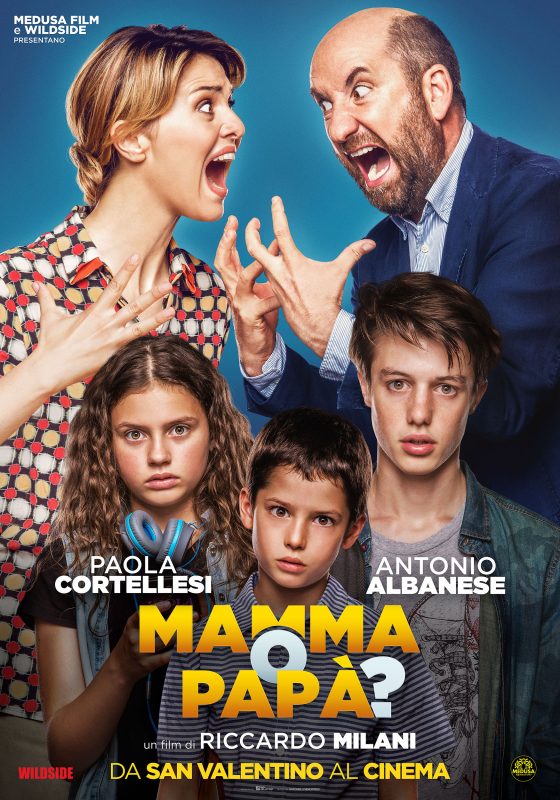
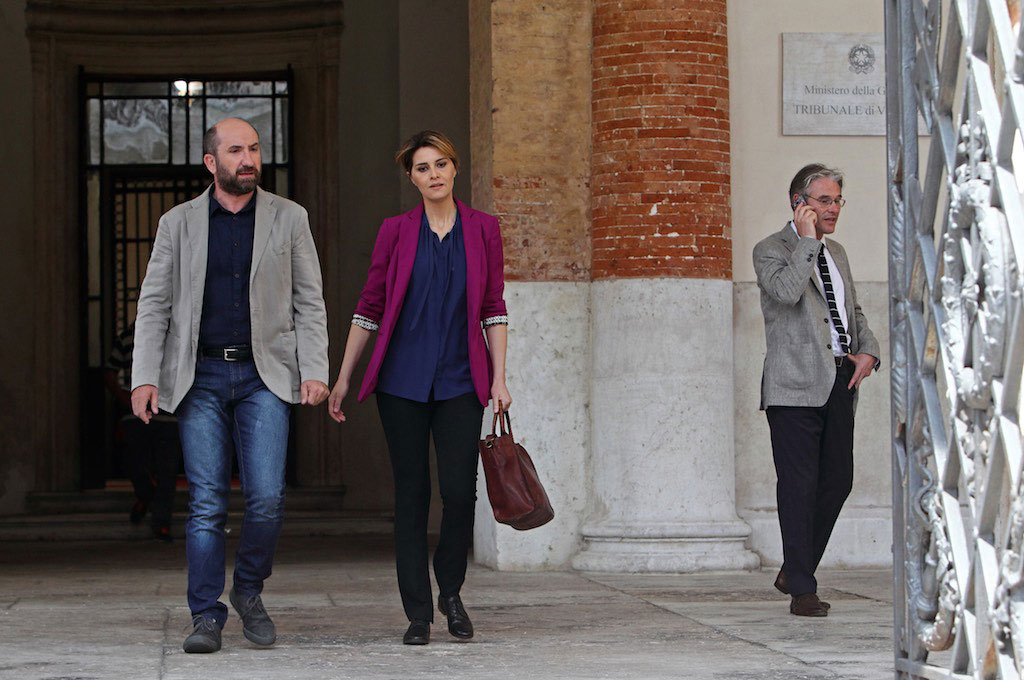
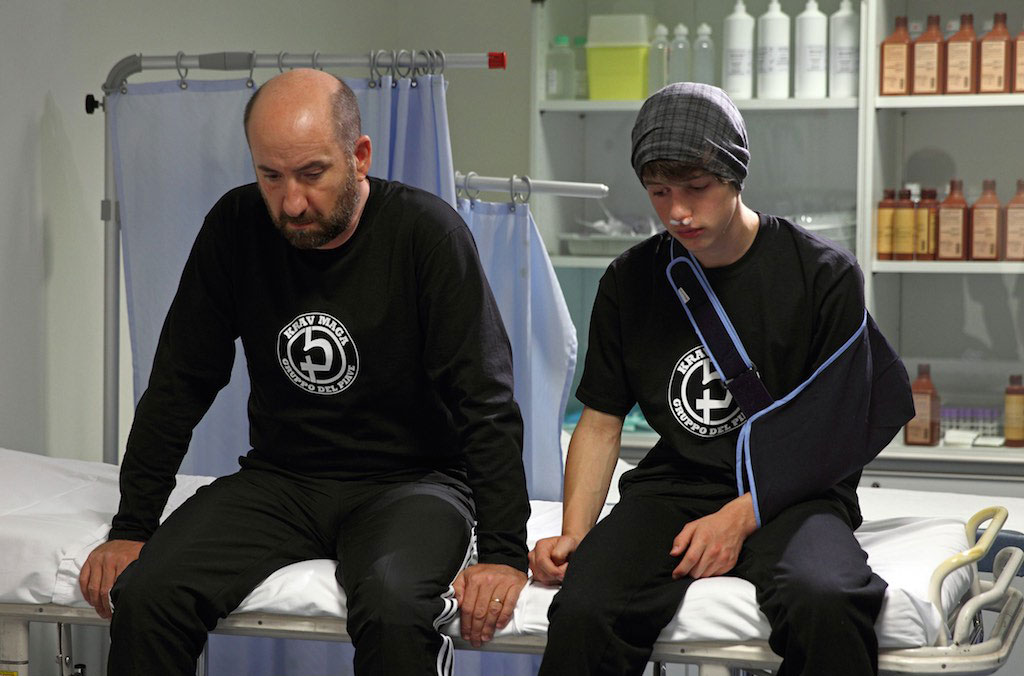
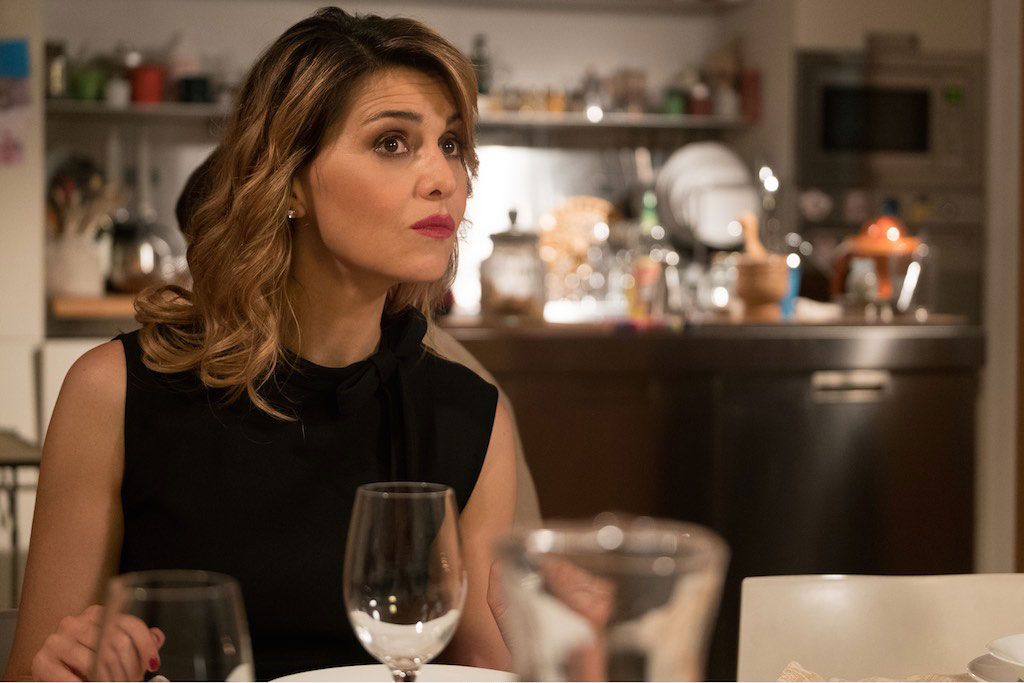
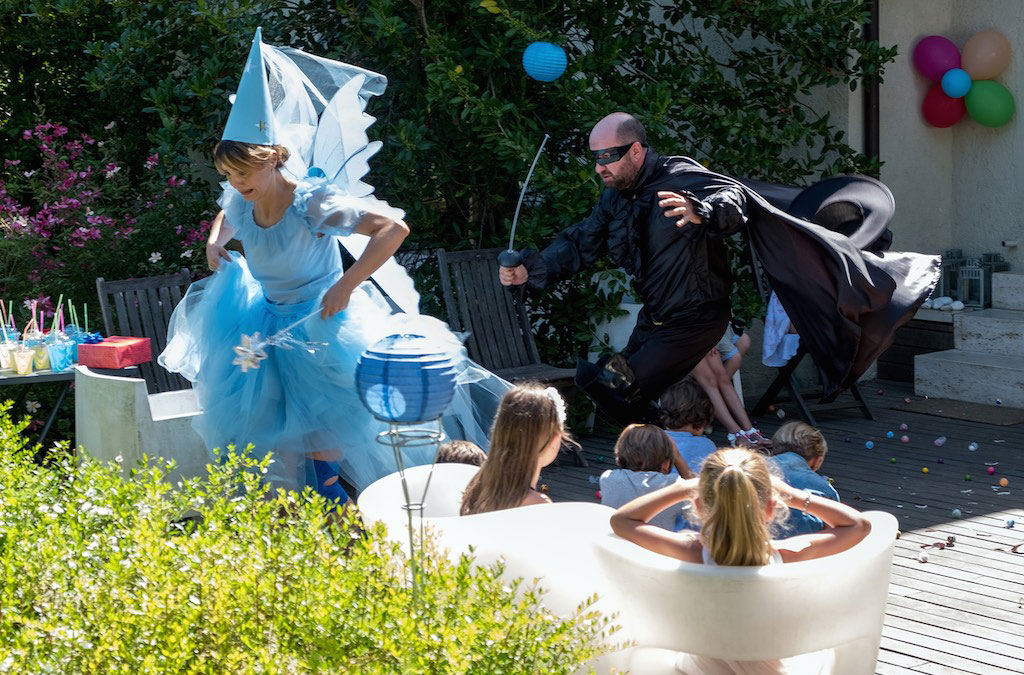
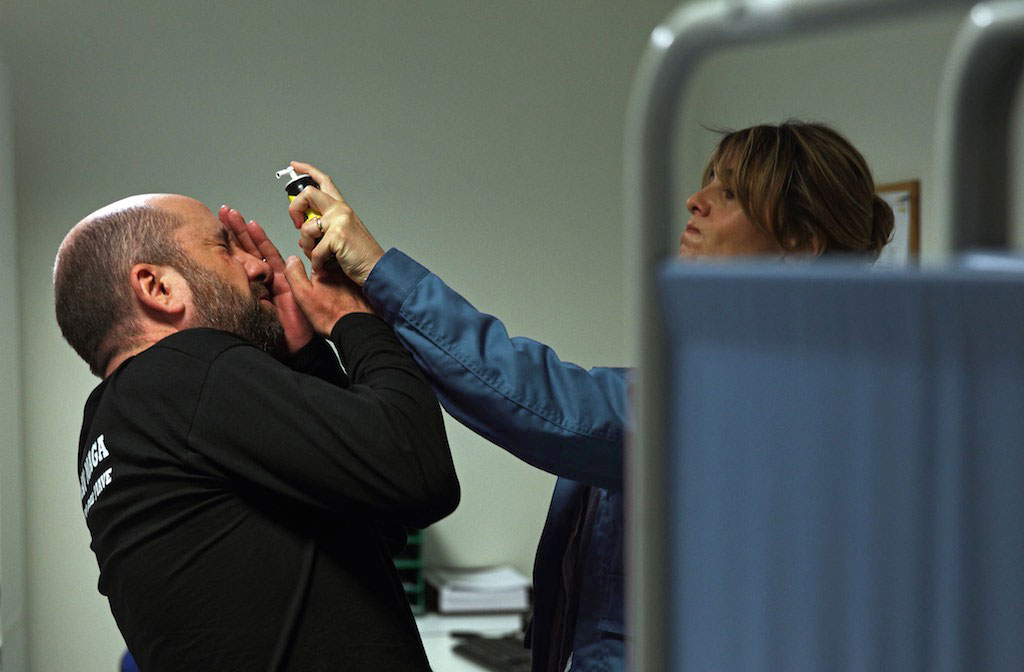
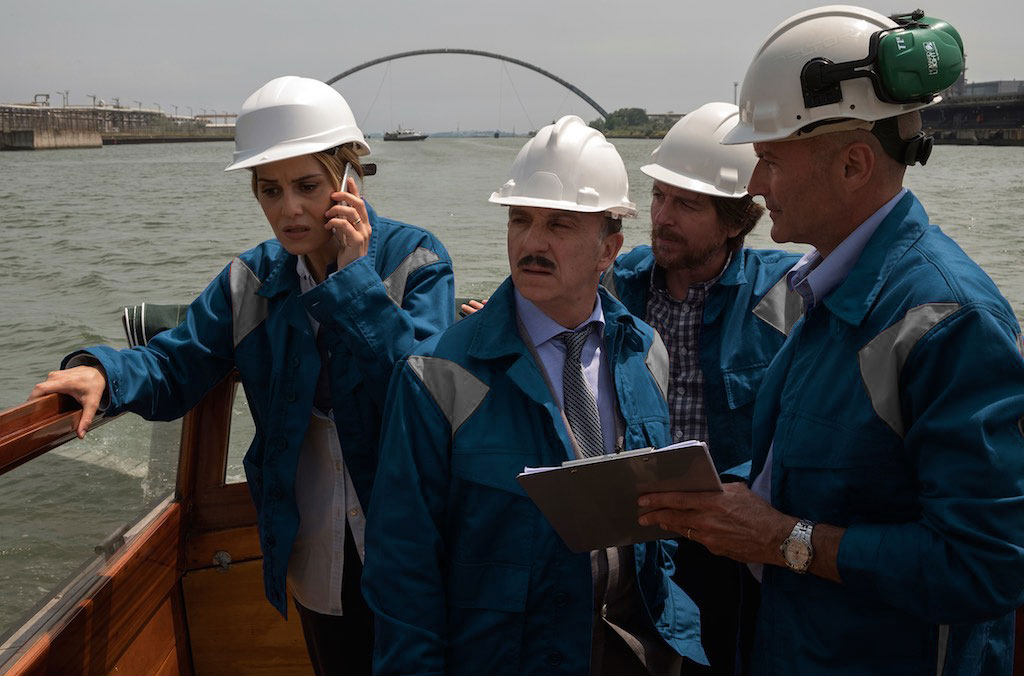
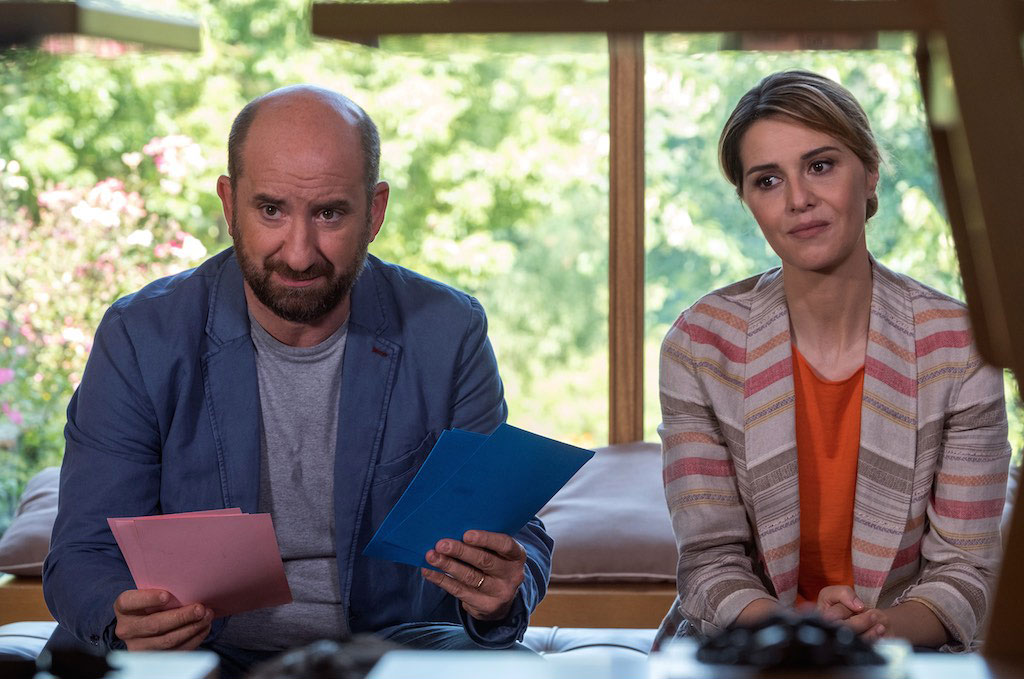
“Mamma o Papà?” is a love story, but it’s also the story of a divorce.
It’s the story of children against parents, but also of parents against children.
It’s the story of a family.
A family created by Valeria Mozzati and Nicola Vignali, a normal couple, attractive and career-driven; they live a serene life with their three children in a provincial city which has a very high quality of life. But tranquility is no safeguard against problems; in fact, problems find fertile ground at Nicola and Valeria’s house because the two protagonists, Mom and Dad, are nutcases.
Generally, when people divorce they fight to get custody of the children; in this family, the opposite occurs because Nicola and Valeria are at each other’s throats, using any dirty trick they can to achieve the opposite result: dump the kids on their spouse.
The real theme of this movie is family.
I have tried to recount this family with lucidity and honesty, looking at it for what it often seems to me to be: two strangers who decide to live together and who create a nucleus of solitude, ready to love each other but also to crush each other. With no fear of acknowledging that family routine often decrees the end of passion. And admitting, once and for all, that children aren’t always a binding factor but instead often represent the true element of division within a couple. And that the paternal instinct and the maternal instinct might not exist. What does exist is the physiological and cultural adaptation which turns men and women into parents.
Most likely, the truth is that not all of us are cut out to have, raise and educate children.
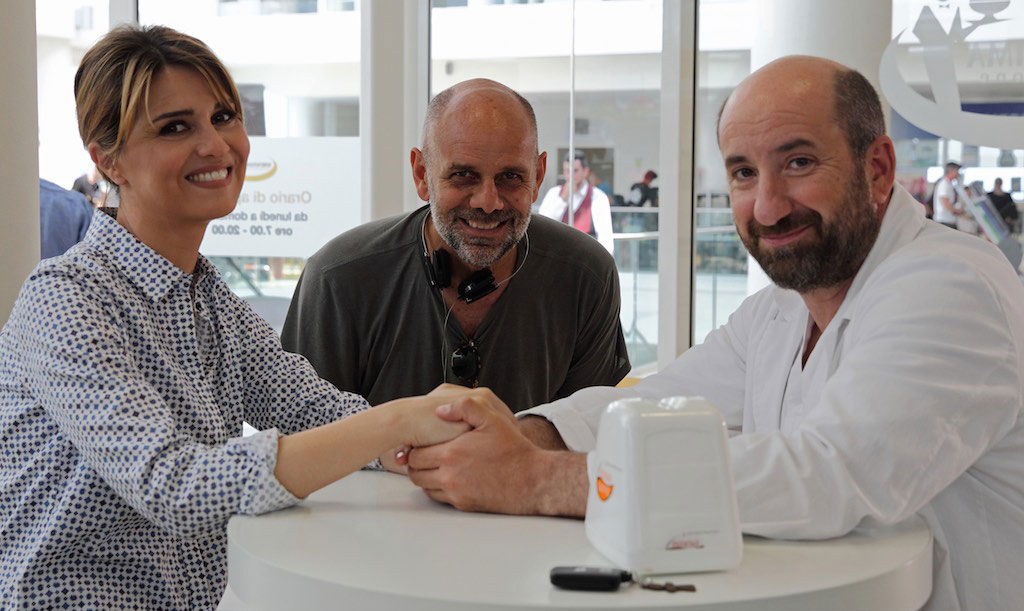
My thanks to Paola Cortellesi and Antonio Albanese, who have finally joined forces on a set.
For years, I rooted for them being able to work together on a film. These two people are so different in some aspects, and so similar in others. Their strong point is their physicality, which I think is typical of great actors, and from this point of view they are the most interesting and stimulating duo around to direct.
My thanks to a number of actresses and actors I admire and care for: from Stefania Rocca to Anna Bonaiuto, from Roberto De Francesco to Claudio Gioè, from Matilde Gioli to Denis Fasolo and Luca Angeletti, which whom I had already worked. And thank you to an actor with whom I had never worked before and who I hope to encounter again soon, Carlo Buccirosso.
My thanks to Giulia Calenda, who, working together with Paola and me, put order, ideas and expertise into the script, adapting a story born in France to the culture and customs of Italy.
My thanks to Wildside, which launched and re-launched the incorrectness this film carries within.
And thank you to Medusa, which rode it for all it’s worth.