Anna
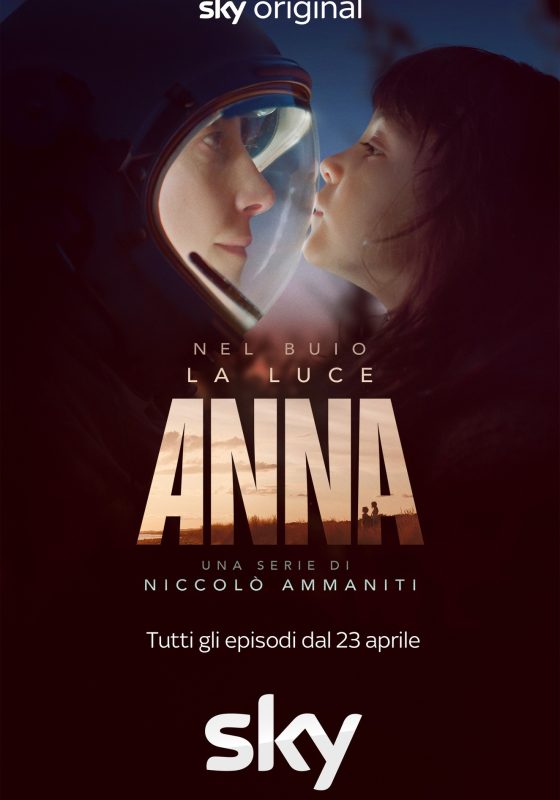
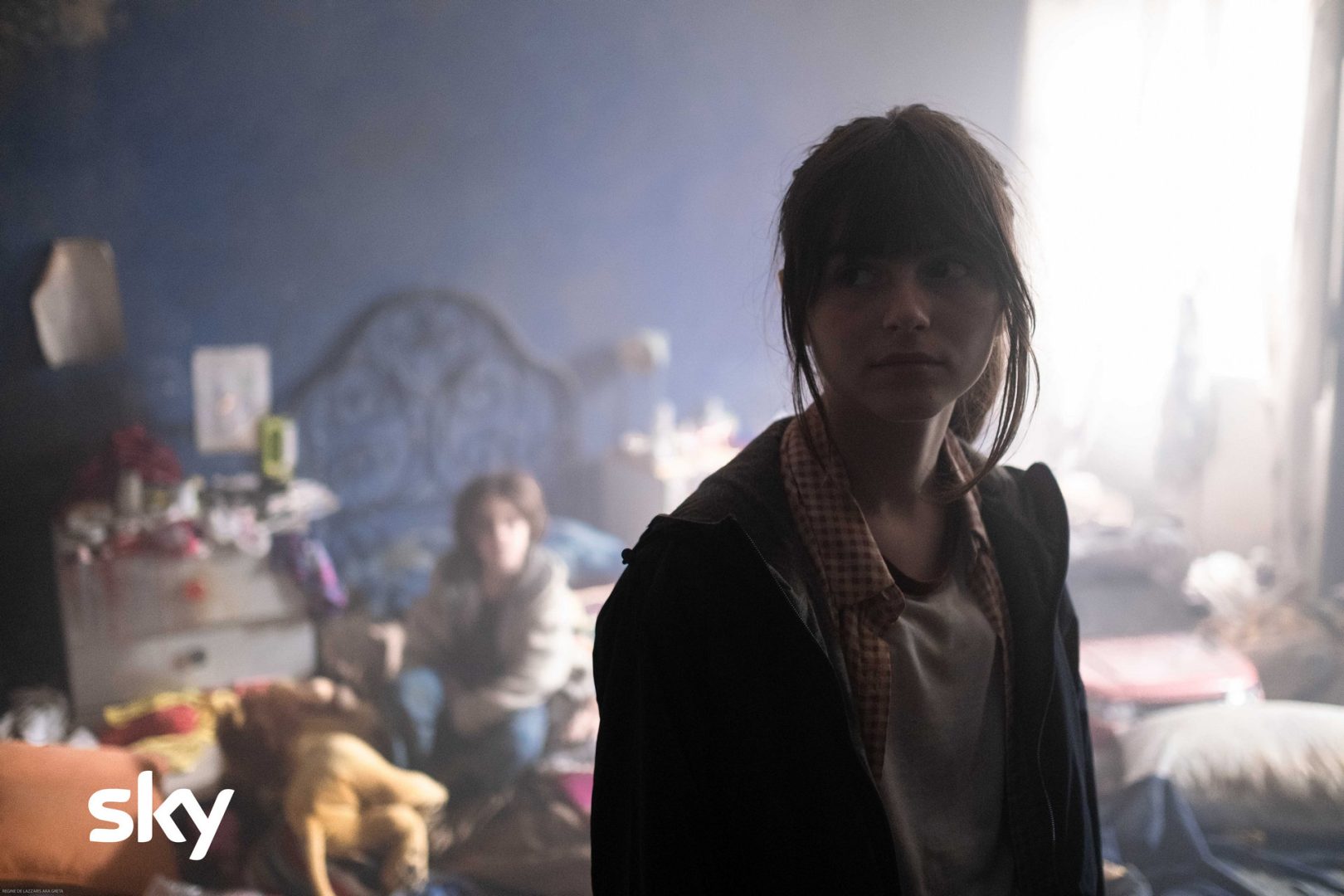
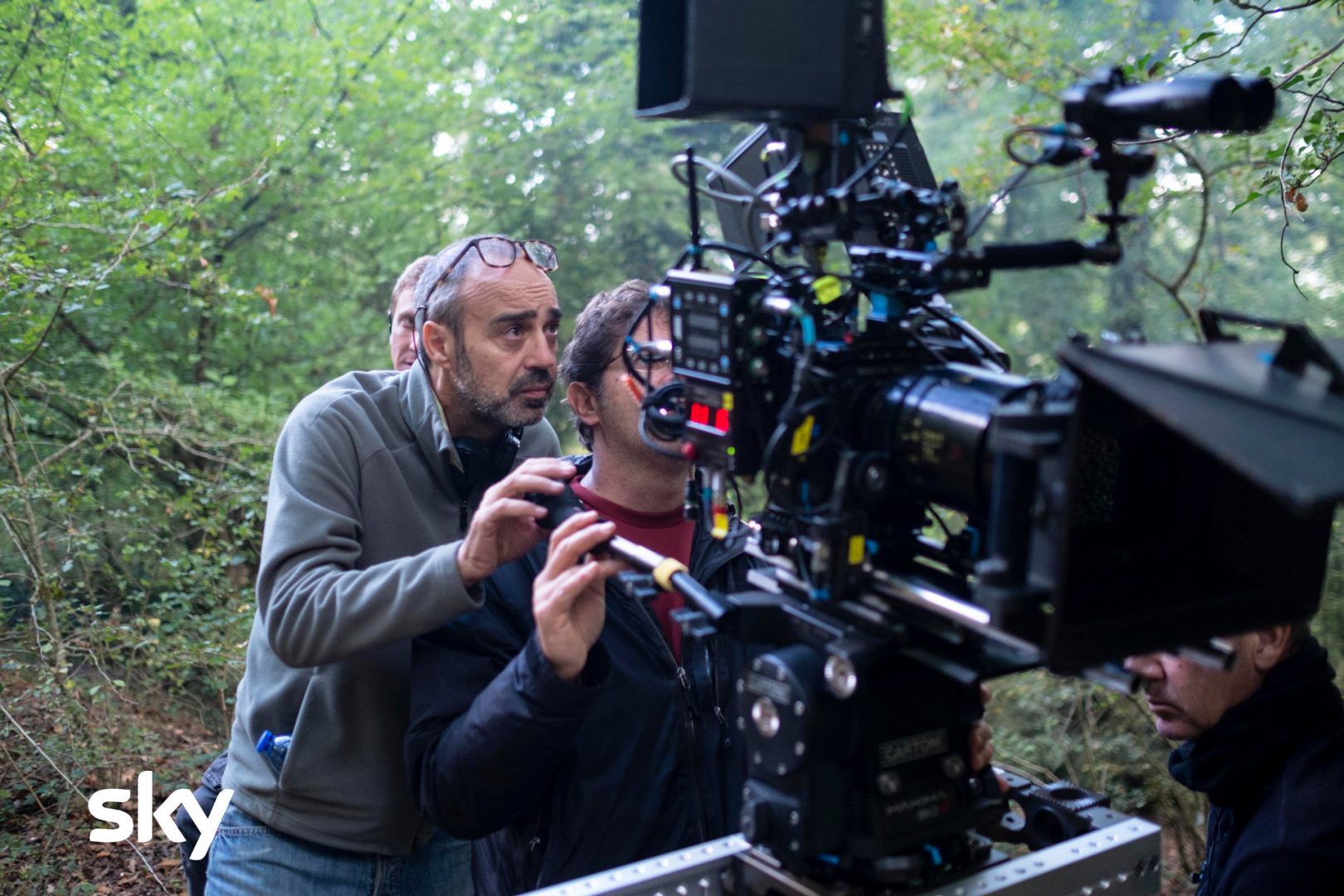
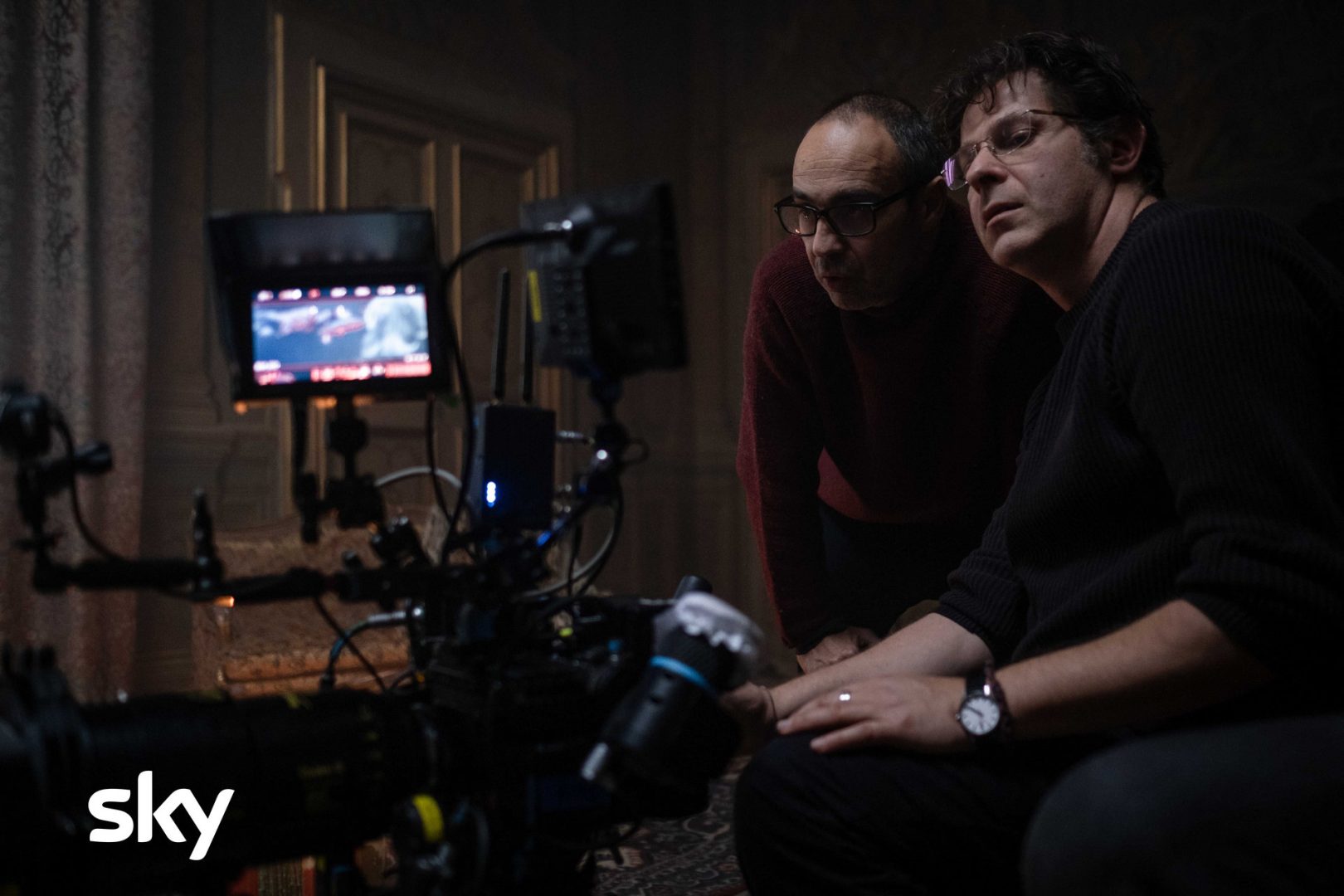
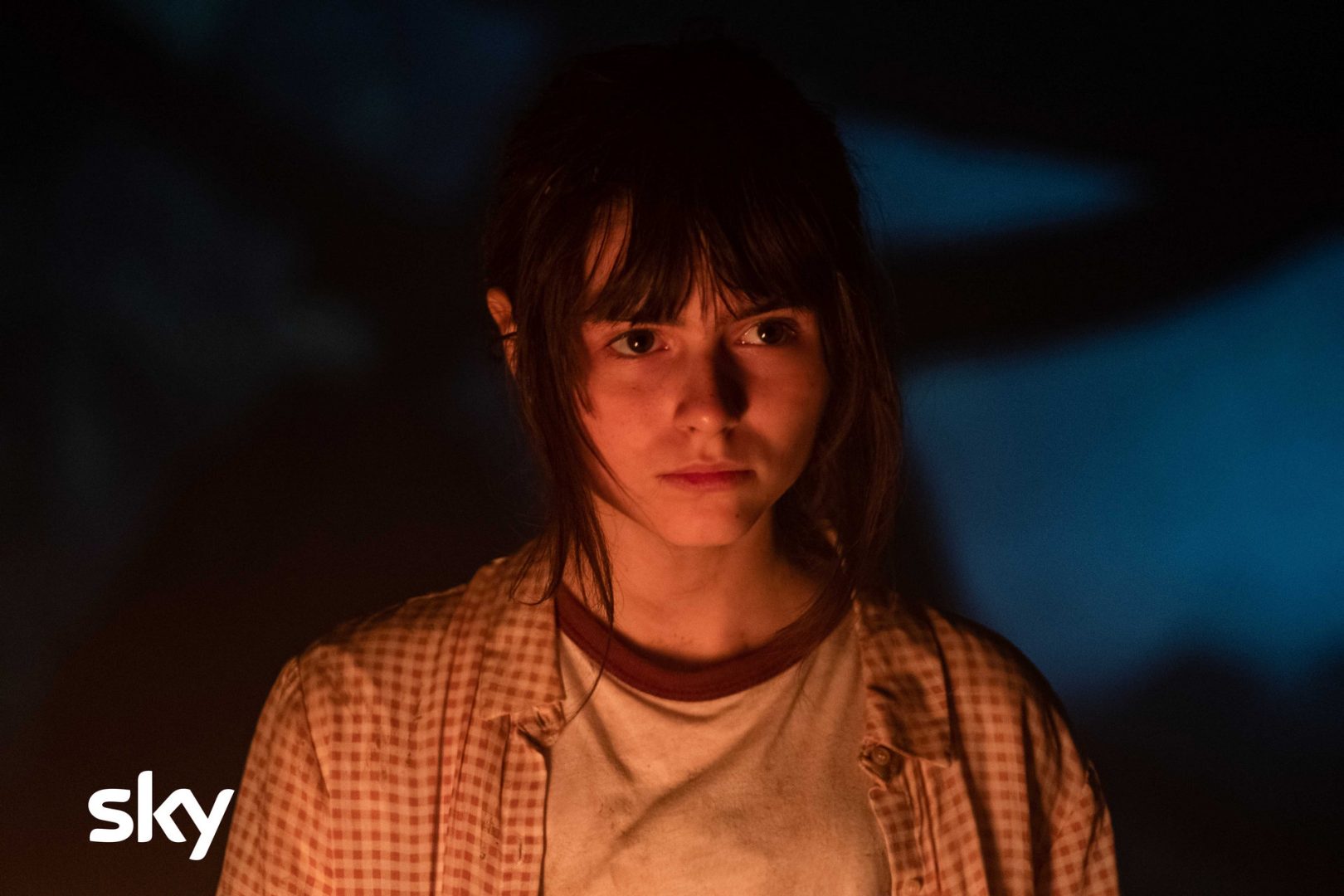
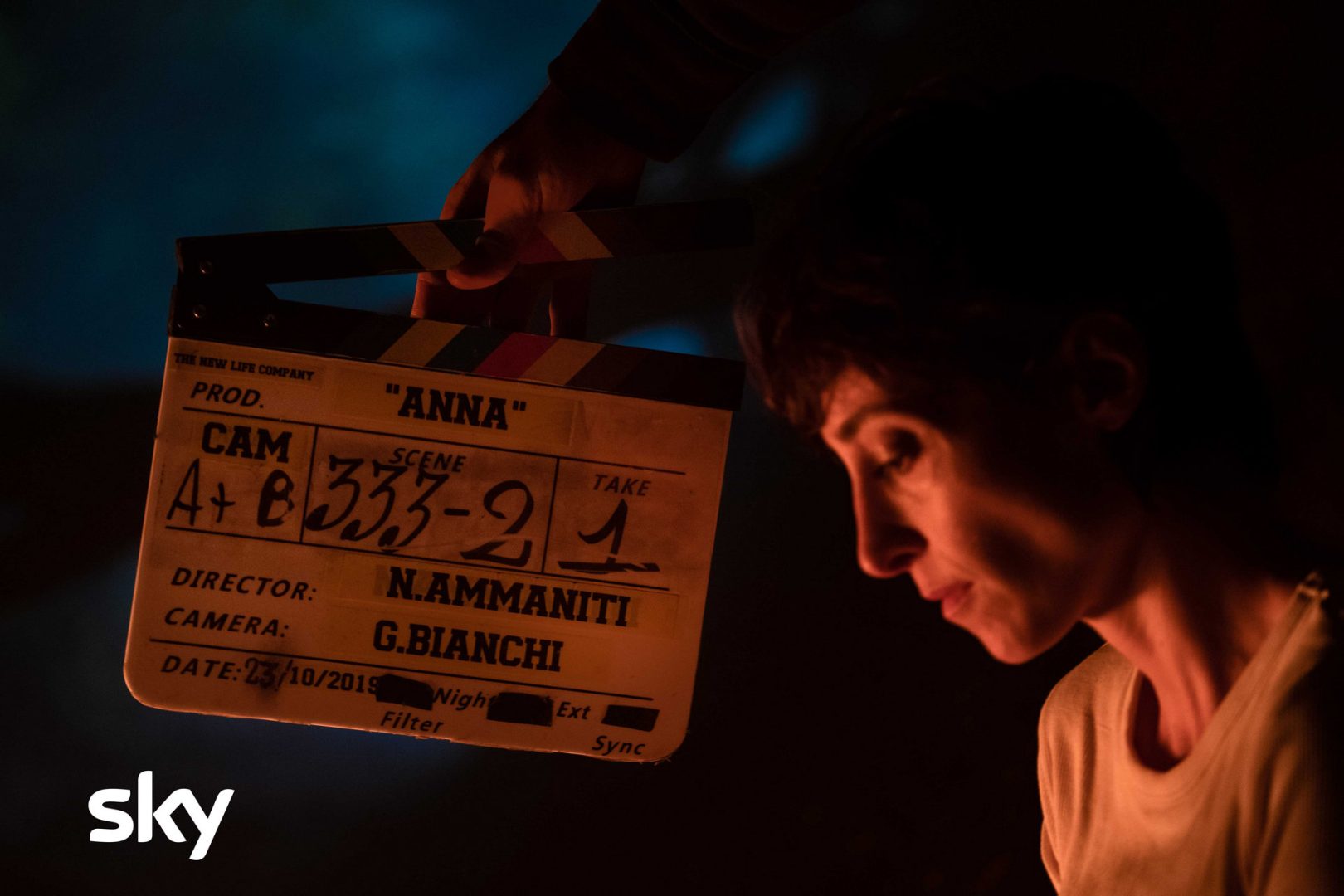
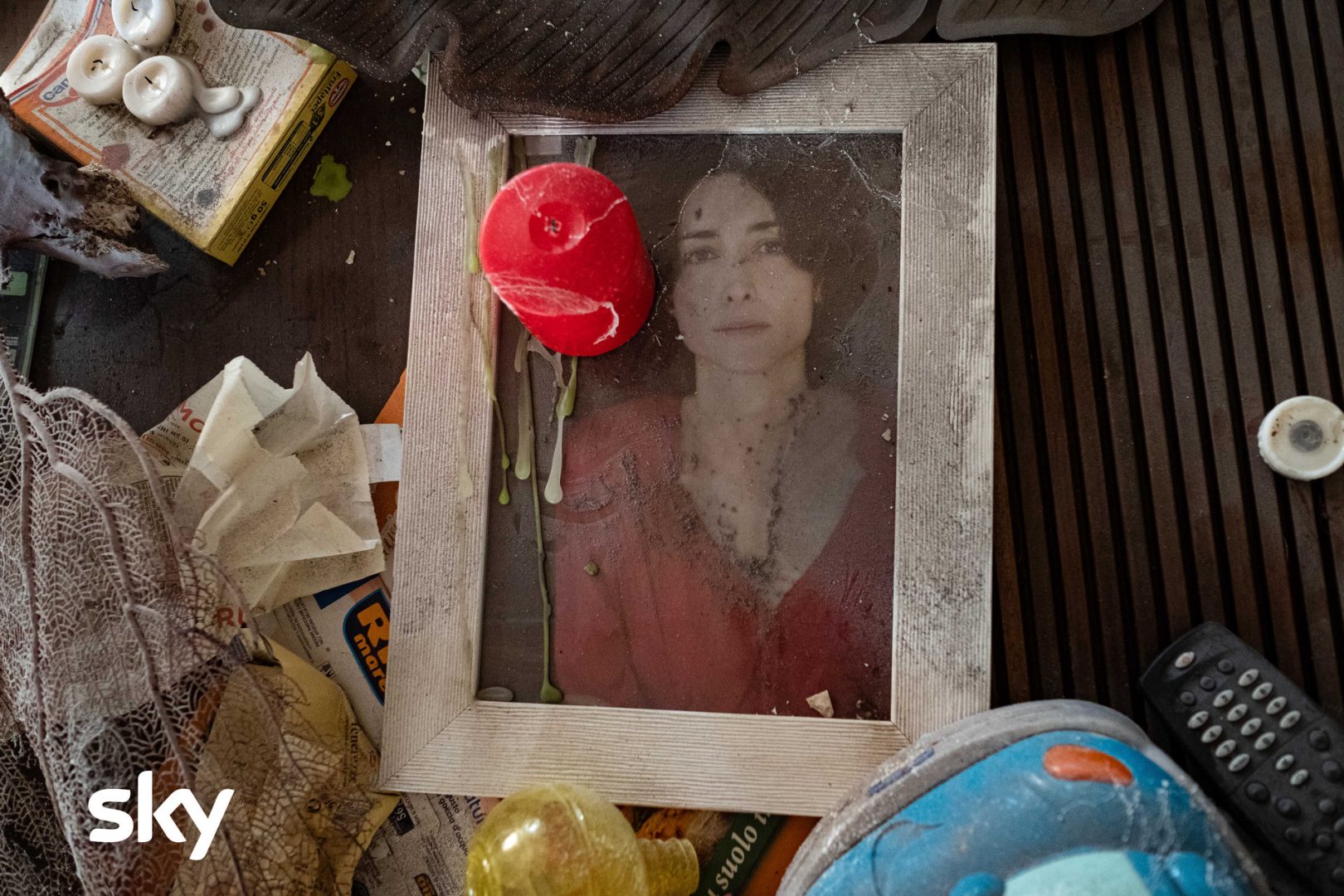
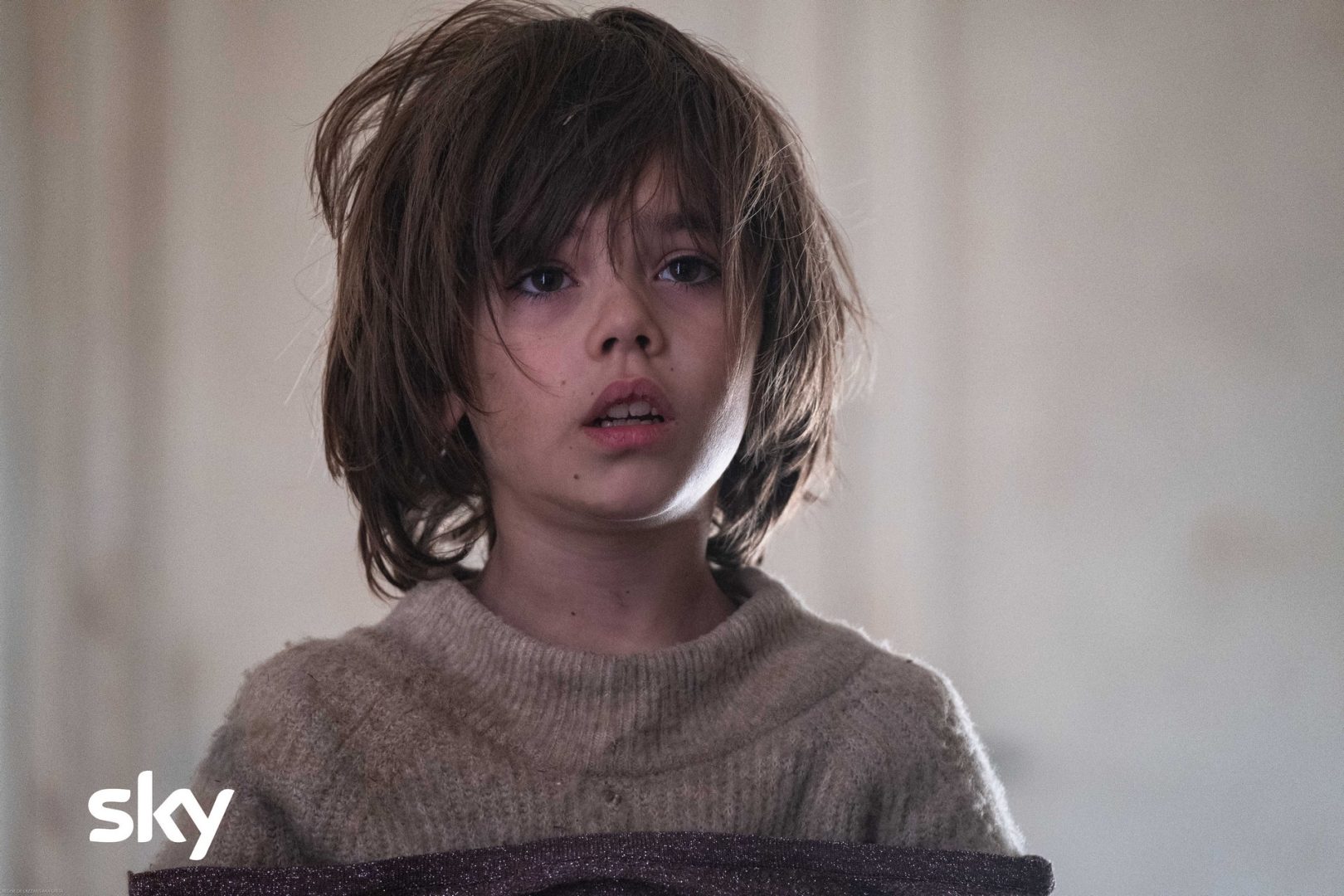
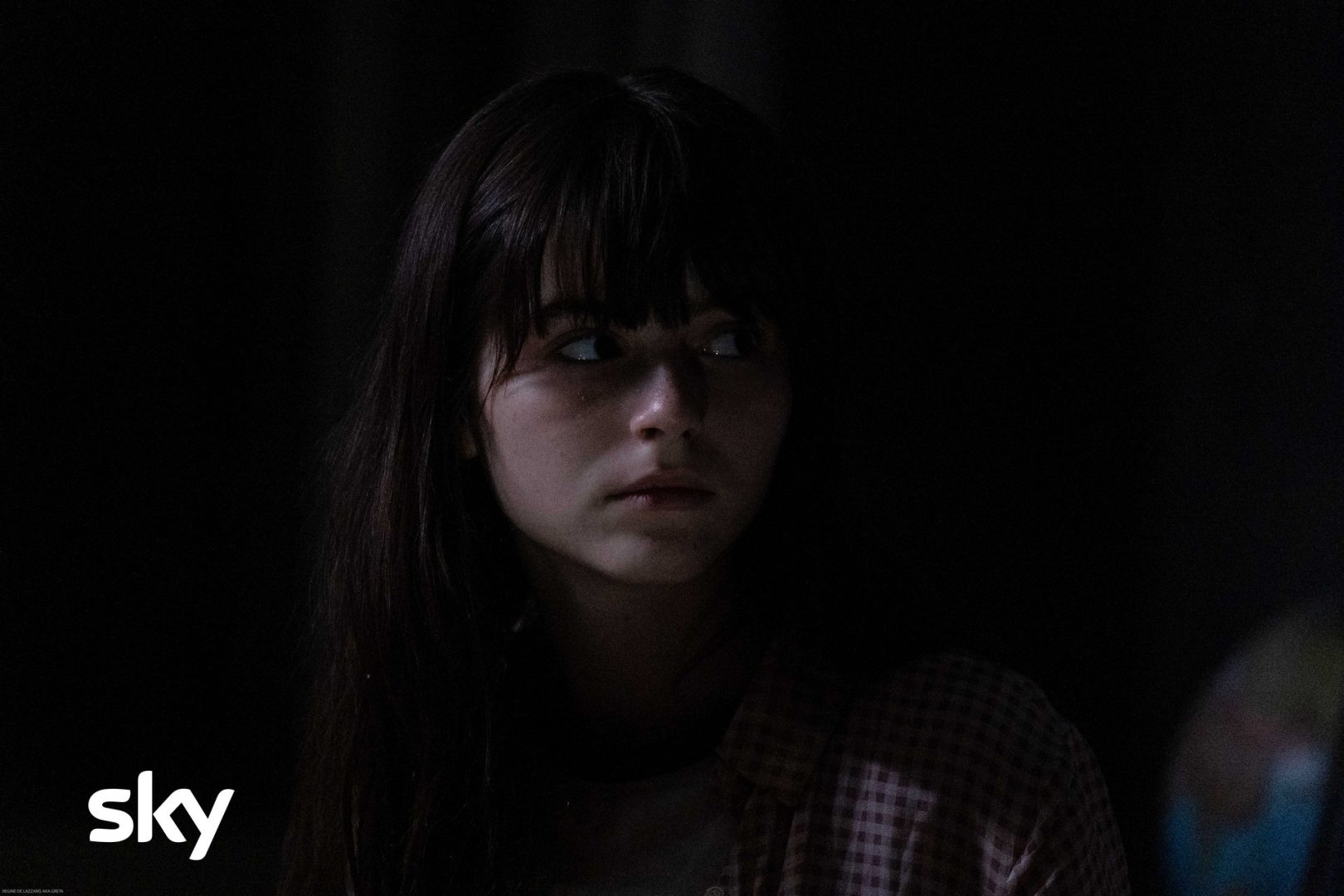
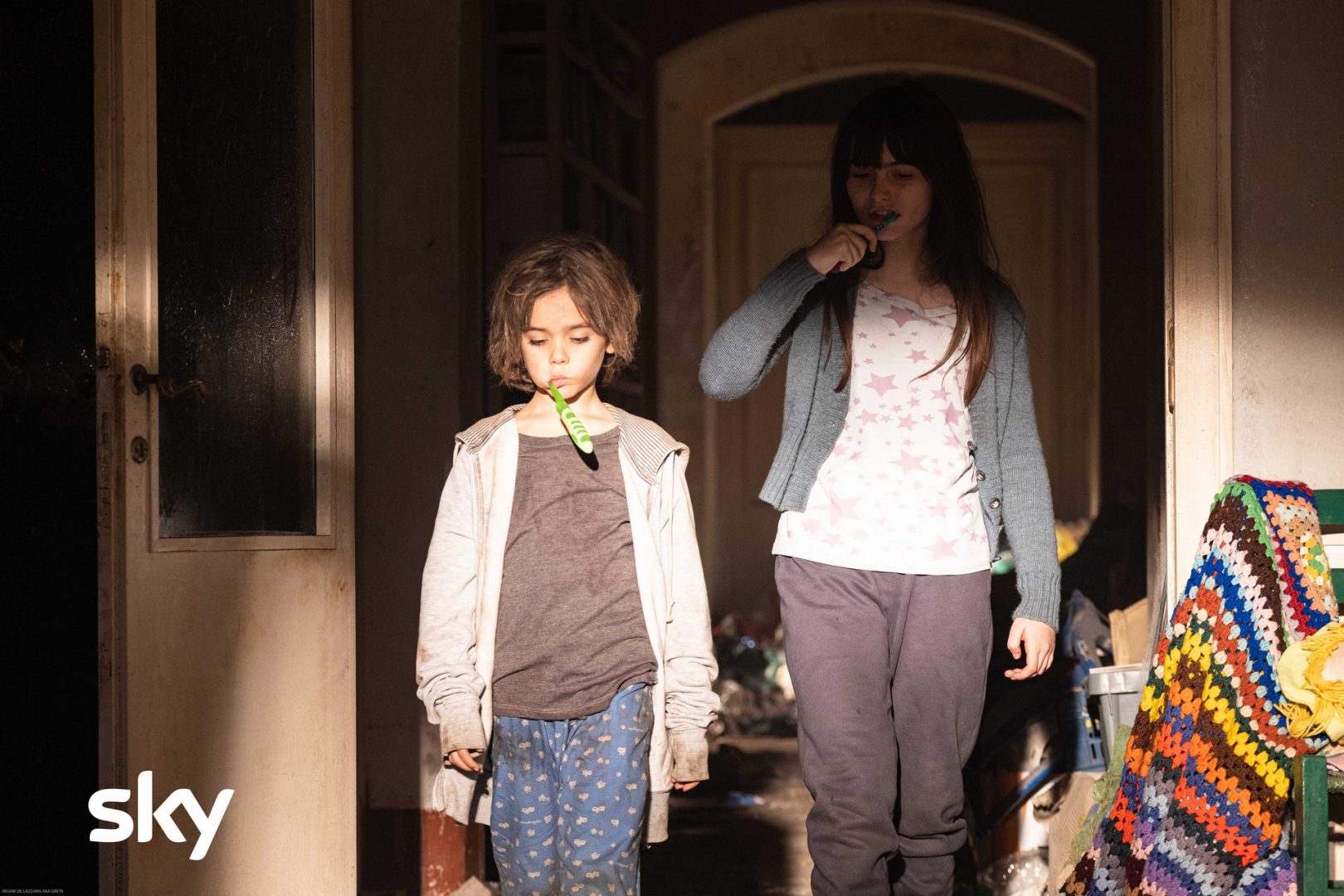
To depict a world without adults was achallenge for all departments. Just beforedying, Mariagrazia, mother of Anna andAstor’s, the story’s two main characters,writes a Book of Important Things,in order to leave instructions for survivalto her children, of eight and four. Inside aresimple tips for dealing with the dangersthe two orphans will have to face in thenew world.At one point, she writes she can onlyimagine those threats; it will be up tothem to put her advice into practice andmodify it according to how things evolve.All departments, but especially set designand costumes, had to perform considerableleaps of imagination to recreate a post-virusSicily.The questions chased one another.And giving answers was difficult, becausewe were in uncharted territory. How shouldchild actors dress? Do they always dressthe same, wearing filthy or ragged clothes,or, since they can take what they wantfrom abandoned stores, do they go arounddressed in Gucci and Prada? How do theyfeed themselves? Do they grow their ownveggies, do they hunt, or are they mostlygatherers, looking for cans, jars, sausagesand everything that still remains edible?Before starting to shoot, we made dozensof sketches and tests to visualize what weimagined and then we crossed Sicily insearch of places where civilization clasheswith nature. We turned old aristocraticvillas into dumps, abandoned orphanagesinto battlefields for bands of blue-paintedchildren. The roads were covered withsoil. It was all very physical, trial-and-errorwork, mostly entrusted to the brawn of theset designers. Digital effects were usedsparingly.Also the kind of photography we went forhad to live and breathe in dust particlesfloating against the light, neither too darknor too bright. Sicily had to emerge out ofthe beauty of its skies and its pristine sea.Nature, freed from adults, had to come outstrongly as the series’ true star.The remains of human civilization, mercifullycovered by greenery, reconquering itsnatural space. Thanks to everybody’scooperation, I believe, a series has beenborn that feels sunny and bright – but canturn dark and scary at any moment, withoutwarning.
Niccolò Ammaniti Writer and Direct