Paternal leave
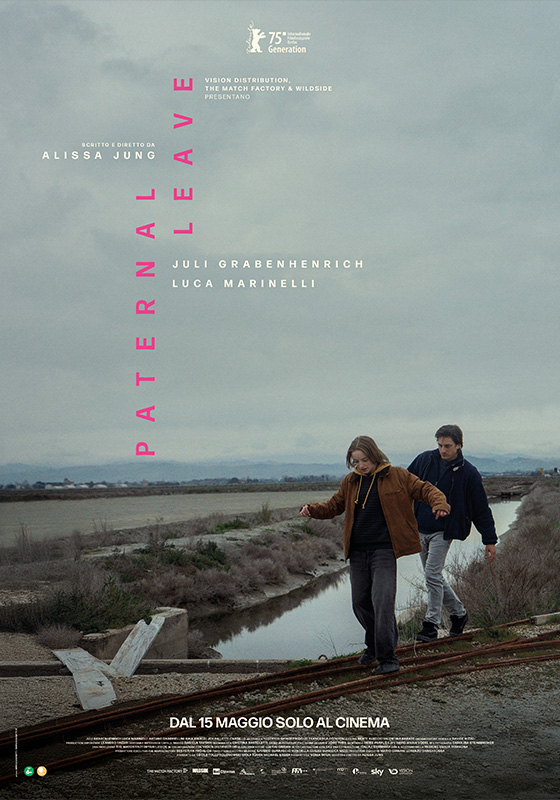
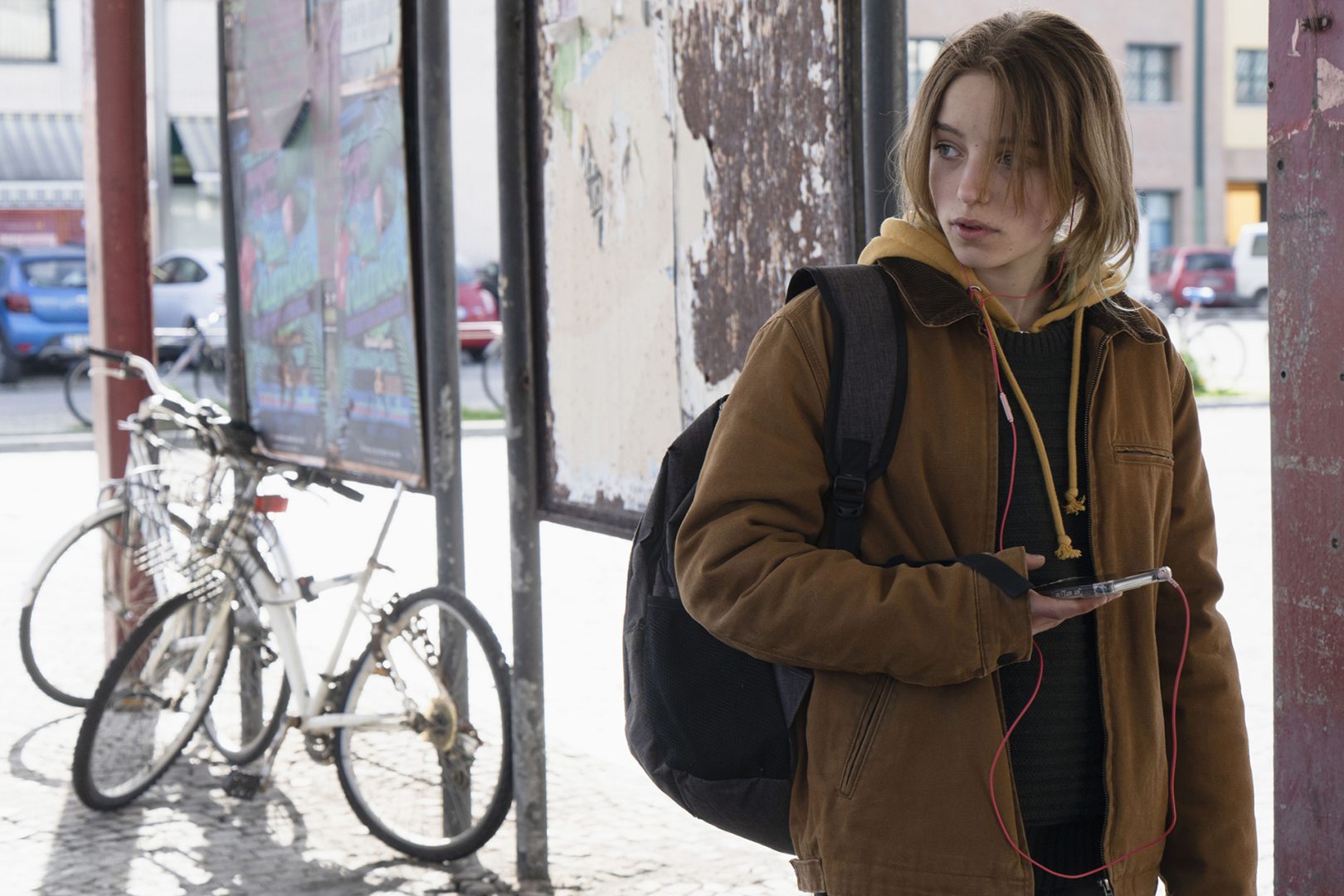
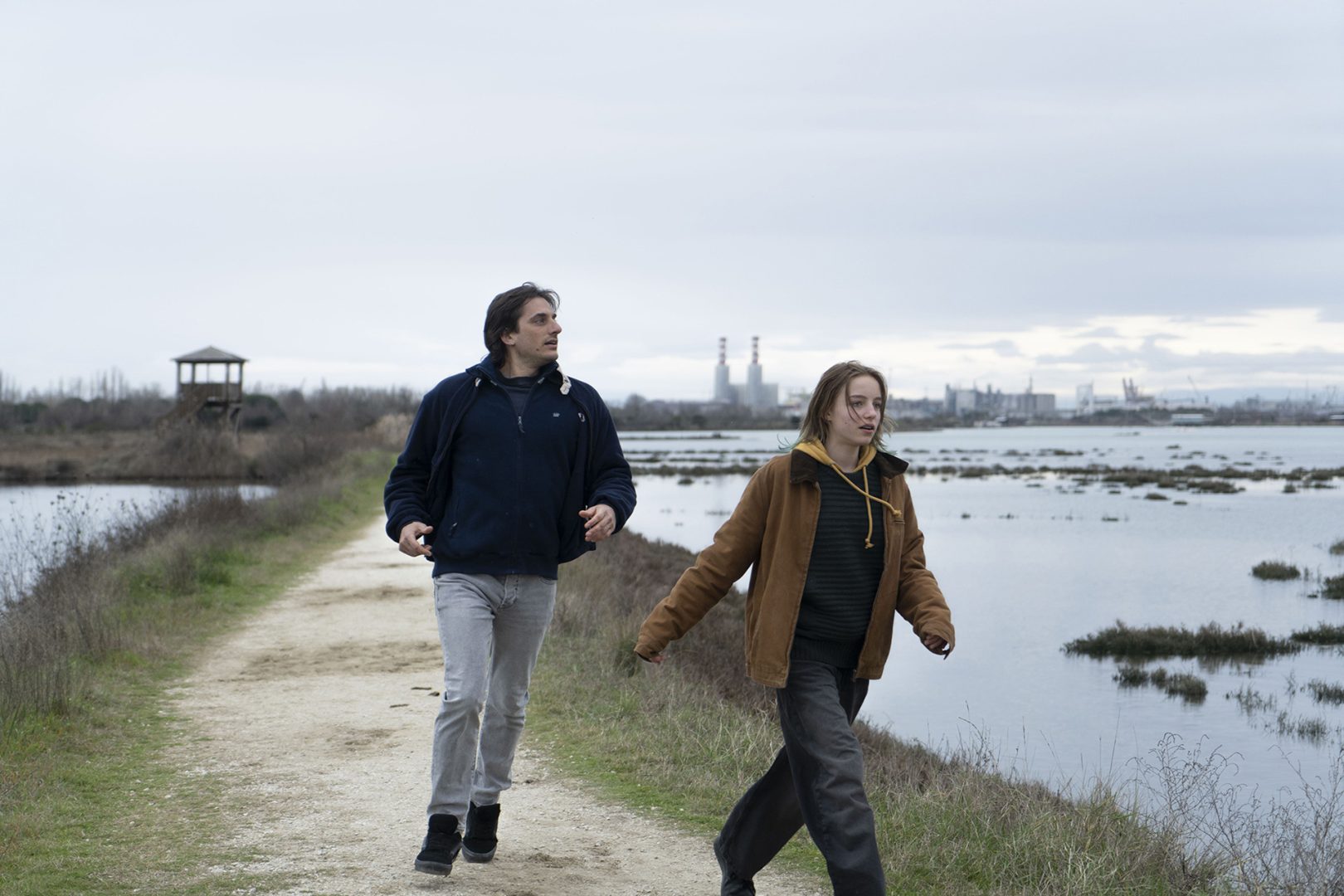
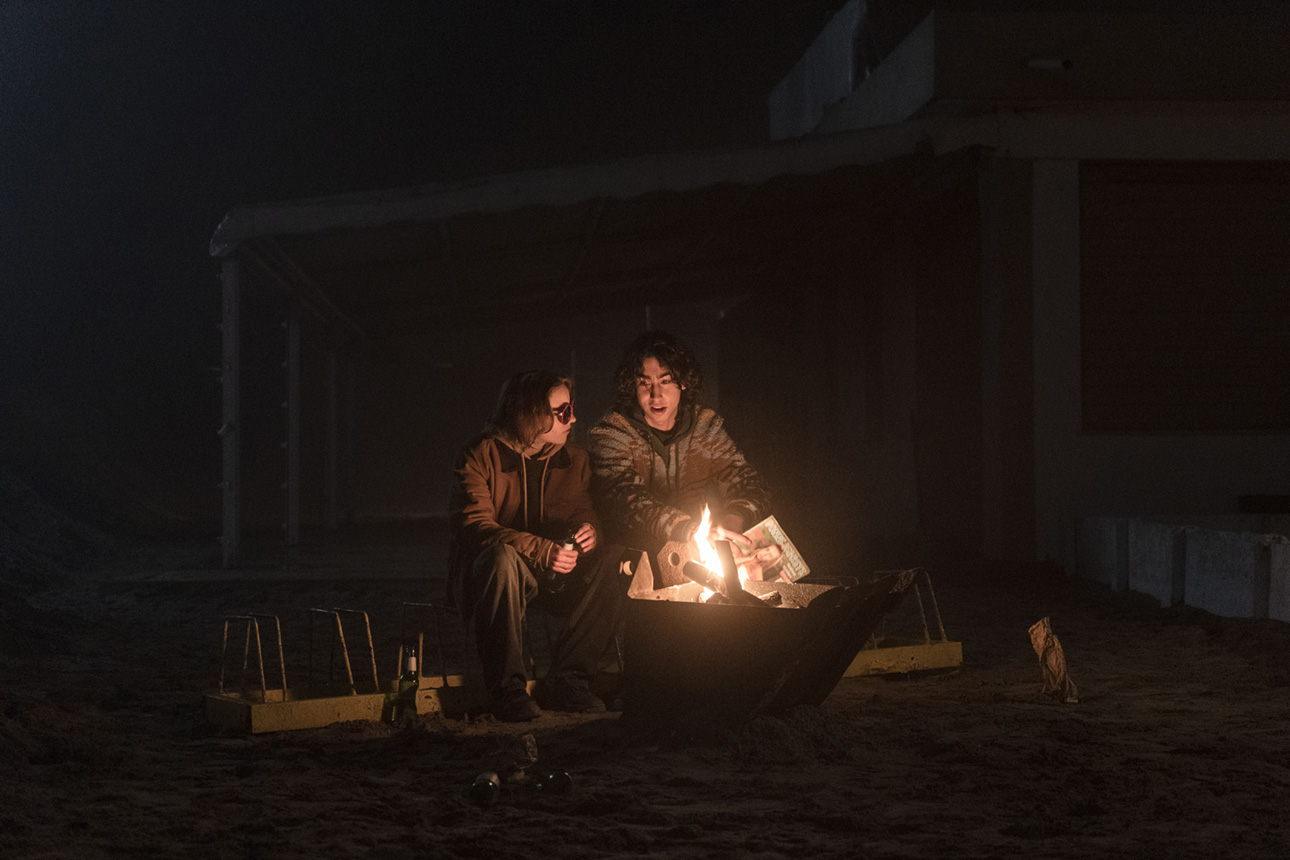
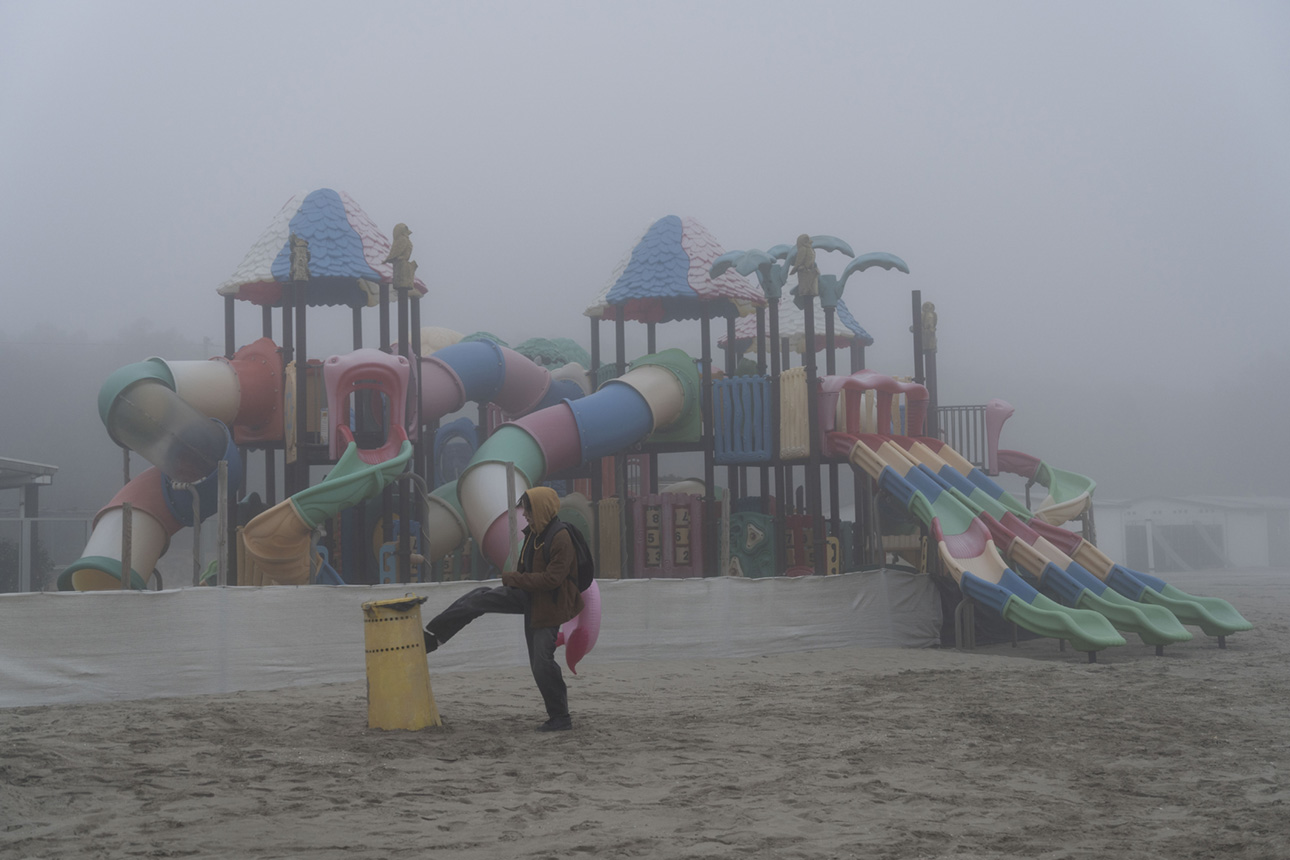
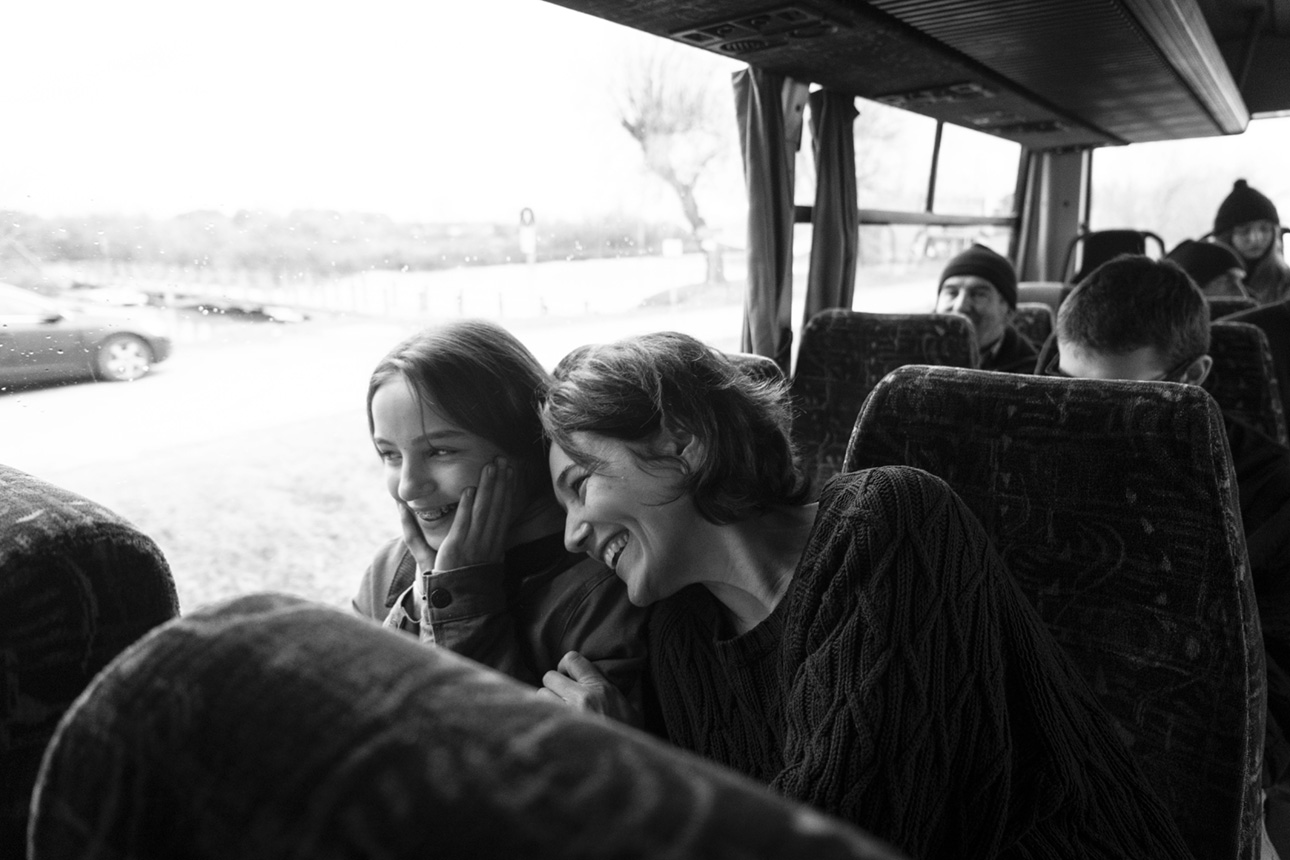
Almost no one can shake and hurt us as deeply as our parents do with small things, with single phrases, yet almost no one can give us as much stability in our lives. I was interested in these two extremes. In "Paternal Leave," I therefore tell the story of a very specific father-daughter relationship: two people completely estranged from each other, yet bound by genetics, social conventions, and a void. In this Kammerspiel on the beach, where we tell the story of the meeting between daughter and father in just three days, it was important for me not to judge, but to observe and empathize. The harsh solitude of a deserted winter coast in Italy was the right place to tell the story of the encounter between Leo and Paolo. On the one hand, because the harshness and stubbornness of this coast reflect the two main characters; on the other hand, because the Italian-German story gave me the opportunity to completely distance the daughter and father linguistically, to create boundaries in communication, to show their estrangement even more clearly. I am moved by the dilemma that continues to arise from a decision made in the past, just as I am moved by the hope of love. It saddens me to see how an attempt to make amends, without truly confronting the situation with honesty, perhaps to protect ourselves or others, distances us from the possibility of a true reconciliation. "Paternal Leave" is a film about human stumbles, about love, about family, but above all, it is a film about being honest with ourselves, about having the courage to look at who we are.